Quick answer: No, Small Intestinal Bacterial Overgrowth (SIBO) is not contagious. It cannot be spread through kissing, sharing food, or physical contact. SIBO develops internally due to a functional issue in the gut, such as low stomach acid or poor digestion, rather than an infection caught from someone else.
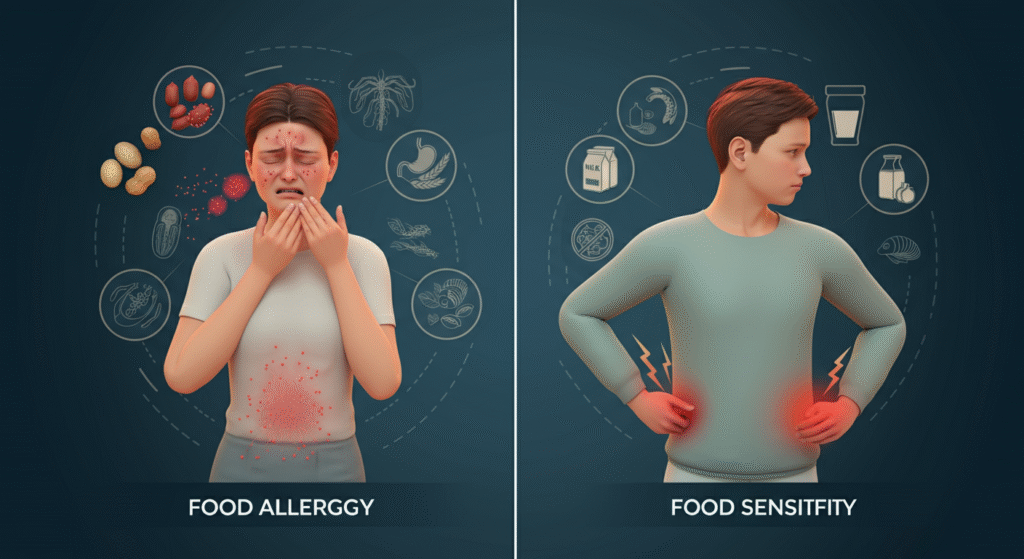
Gut issues are incredibly frustrating, especially when they disrupt your daily routine. Constant bloating, unpredictable stomach pain, and sudden food sensitivities can make you feel miserable.
If you or a loved one recently received a SIBO diagnosis, you might be worried about passing it on. Could you accidentally infect your partner or your children?
This post clears up the confusion. We will explore exactly what this condition is, why it happens, and what you can do to find lasting relief.
What exactly is SIBO?
SIBO stands for Small Intestinal Bacterial Overgrowth. Your gut is full of bacteria, and that is actually a good thing. But most of those bacteria belong in your large intestine.
The small intestine is supposed to be relatively clean. It is where your body breaks down food and absorbs nutrients.
When bacteria from the large intestine migrate upward and multiply in the small intestine, they cause chaos. They eat the food meant for you, creating excess gas, bloating, and diarrhea in the process. Over time, this can lead to severe malnutrition.
Is SIBO contagious?
Let us put your mind at ease right away. SIBO is an internal gut issue, not an infectious disease.
You cannot catch SIBO like you would catch the flu or a cold. It is completely safe to hug, kiss, and share living spaces with someone who has the condition.
According to SIBO-testing.com [2024], the condition develops internally due to imbalances within your own body. It does not spread through contact with others.
Why isn’t SIBO contagious?
To understand why you cannot catch this condition, you have to look at how it develops.
SIBO is an internal imbalance, not an infection
Infections happen when a foreign invader, like a virus or a harmful bacterial strain, enters your body. SIBO is different.
The bacteria causing the problem are already living inside you. They are your normal gut bugs. They have just set up camp in the wrong neighborhood.
How does gut motility affect SIBO?
Your digestive tract relies on a sweeping motion called motility. Think of it like an internal conveyor belt that moves food and waste downward.
If this conveyor belt slows down, food sits in the small intestine for too long. This creates a perfect, all-you-can-eat buffet for bacteria, allowing them to multiply rapidly.
How do underlying health conditions trigger SIBO?
Many people develop this overgrowth because of another health issue. For example, if you have an autoimmune disease or a thyroid problem, your digestion might naturally slow down.
These internal triggers cannot be passed to someone else. Your friend cannot catch your slow digestion.
Can you “catch” SIBO from someone else?
Absolutely not. Sharing food, drinks, or utensils will not transmit the condition.
A common misconception is that gut bacteria transfer easily between people. While you do share a microbiome environment with your household, you cannot transmit an overgrowth of bacteria.
Your stomach acid is designed to kill most bacteria that enter through your mouth. Unless your digestive system is already severely compromised, foreign bacteria will not survive long enough to cause SIBO.
What actually causes SIBO to develop?
If you cannot catch it from someone else, where does it come from? According to the Cleveland Clinic [2024], several structural and chemical issues can trigger this overgrowth.
Poor gut motility
As mentioned earlier, a sluggish digestive system is the number one culprit. When the sweeping motion of the gut fails, bacteria are not cleared out properly.
Low stomach acid
Stomach acid is your body’s first line of defense. It breaks down food and kills incoming bacteria. If your stomach acid is too low, bacteria survive and travel down into the small intestine.
Previous infections or food poisoning
Did you know a bad case of food poisoning can change your gut function? Severe gastrointestinal infections can damage the nerves in your gut, leading to a permanent slowdown in digestion.
Structural issues in the gut
Sometimes, the physical shape of the intestines causes problems. Scar tissue from past abdominal surgeries can create blockages or “blind loops” where bacteria easily get trapped.
Medications
Certain medications alter your gut environment. Long-term use of proton pump inhibitors (PPIs) lowers stomach acid. Frequent antibiotic use wipes out good bacteria, giving bad bacteria room to overgrow.
What are the main risk factors for developing SIBO?
Anyone can develop bacterial overgrowth, but certain people are at a much higher risk.
According to Mayo Clinic [2024], risk factors include having conditions that slow down the movement of food and waste. These include:
- Irritable Bowel Syndrome (IBS)
- Diabetes
- Celiac disease
- Crohn’s disease
- A history of radiation therapy to the abdomen
- Previous gastric bypass surgery
Can SIBO spread within families?
You might notice multiple people in one family dealing with gut issues. Does that mean it is spreading?
No. Families often share the same diet, lifestyle, and stress levels. If a family eats a highly processed, sugar-heavy diet, multiple members might develop gut imbalances independently.
Additionally, autoimmune conditions like Celiac disease or Crohn’s disease have genetic links. You might inherit a condition that makes you prone to SIBO, but you do not inherit the overgrowth itself.
How is SIBO diagnosed by doctors?
Diagnosing this condition can be tricky because the symptoms look just like IBS or lactose intolerance.
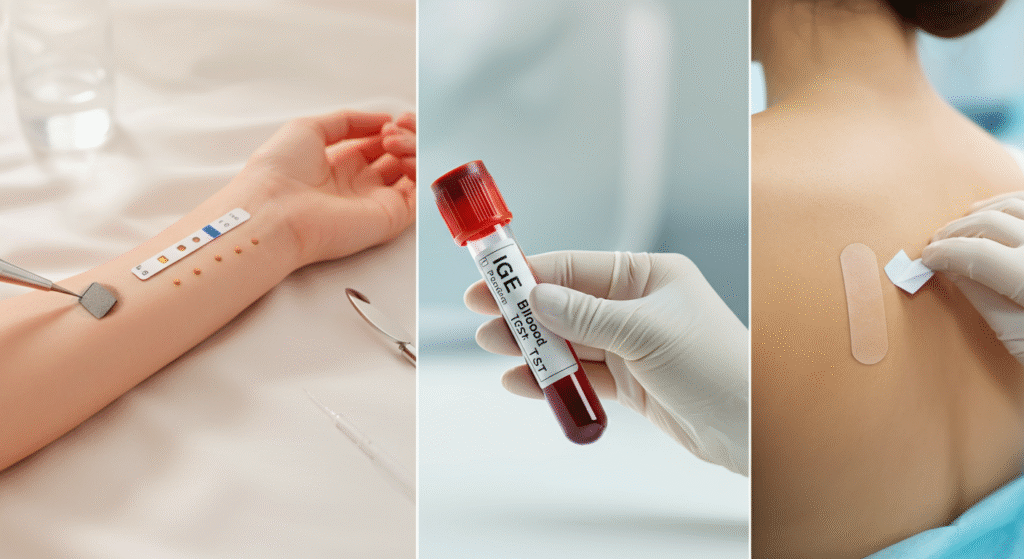
The most common diagnostic tool is a breath test. You drink a sugary solution, and a doctor measures the hydrogen and methane gases in your breath over a few hours.
Since humans do not produce these gases naturally, high levels indicate that bacteria in your small intestine are fermenting the sugar.
What are the best ways to treat SIBO?
Treating this condition requires a multi-step approach. You have to kill the excess bacteria and fix the underlying cause.
- Antibiotics: Doctors commonly prescribe specific antibiotics, like Rifaximin, which stay mostly in the gut to target the overgrowth directly.
- Herbal antimicrobials: Some people prefer natural routes. Herbal blends containing oregano oil, berberine, or neem extract can be highly effective.
- Dietary changes: A Low-FODMAP diet temporarily restricts fermentable carbohydrates. This starves the bacteria and provides immediate symptom relief.
- Gut motility support: Taking a prokinetic medication or supplement helps keep the digestive “conveyor belt” moving so bacteria cannot settle again.
How can you prevent SIBO from coming back?
Relapse rates for this condition are unfortunately high. Fixing the root cause is the only way to keep it away for good.
Support your gut motility by spacing your meals at least four hours apart. This allows your digestive system to run its natural cleaning cycle.
Manage any underlying conditions like diabetes or hypothyroidism. Eat a balanced diet, and avoid taking antibiotics unless absolutely necessary.
Frequently asked questions about SIBO
Can SIBO be passed through kissing?
No. Kissing transfers saliva, but SIBO is an overgrowth deep in your small intestine. Your stomach acid destroys any normal bacteria transferred through kissing before it reaches the gut.
Is SIBO caused by a bacterial infection?
No, it is not a traditional infection. It is simply an overpopulation of your own natural bacteria in the wrong part of your digestive tract.
Can you get SIBO from poor hygiene?
Poor hygiene does not cause this condition. It is driven by internal functional problems, like low stomach acid or slow digestion, not by dirt or external germs.
Is SIBO genetic?
The overgrowth itself is not genetic. However, the underlying conditions that cause it—such as Celiac disease or structural gut issues—can run in families.
Can probiotics spread SIBO?
Probiotics will not spread the condition to other people. However, if you already have SIBO, taking certain probiotics can sometimes make your symptoms worse by adding more bacteria to an already crowded small intestine.
When should you see a doctor?
Occasional gas or bloating is perfectly normal. But if your symptoms are taking over your life, it is time to seek professional help.
See a gastroenterologist if you experience persistent diarrhea, rapid unintentional weight loss, or severe abdominal pain.
Left untreated, chronic bacterial overgrowth causes malnutrition. Your body stops absorbing essential vitamins like B12, which can lead to fatigue and nerve damage.
Taking control of your gut health
Dealing with digestive issues is stressful, but you do not need to worry about infecting the people around you.
SIBO is an internal imbalance, triggered by things like poor gut motility, low stomach acid, or past surgeries. By understanding these root causes, you can stop fighting invisible germs and start healing your digestive tract.
If you suspect you have this condition, talk to a healthcare provider about getting a breath test. With the right treatment plan, you can clear the overgrowth and finally feel like yourself again.