TL;DR: A food intolerance check helps you figure out which foods upset your gut, often through elimination diets or hydrogen breath tests. IgG blood panels are popular but not scientifically backed (AAAAI). Talk to a doctor or dietitian before cutting out major food groups, especially if celiac disease or true allergy is a possibility.
Ever eaten a slice of pizza and spent the rest of the night regretting it? You’re not alone. More and more people are noticing that certain foods just don’t sit right with them.
That’s where a food intolerance check comes in. It’s not about fearing food — it’s about understanding your body a little better.
This guide walks you through what food intolerances actually are, which tests work (and which don’t), and how to get answers without guessing your way through it. By the end, you’ll know exactly where to start.
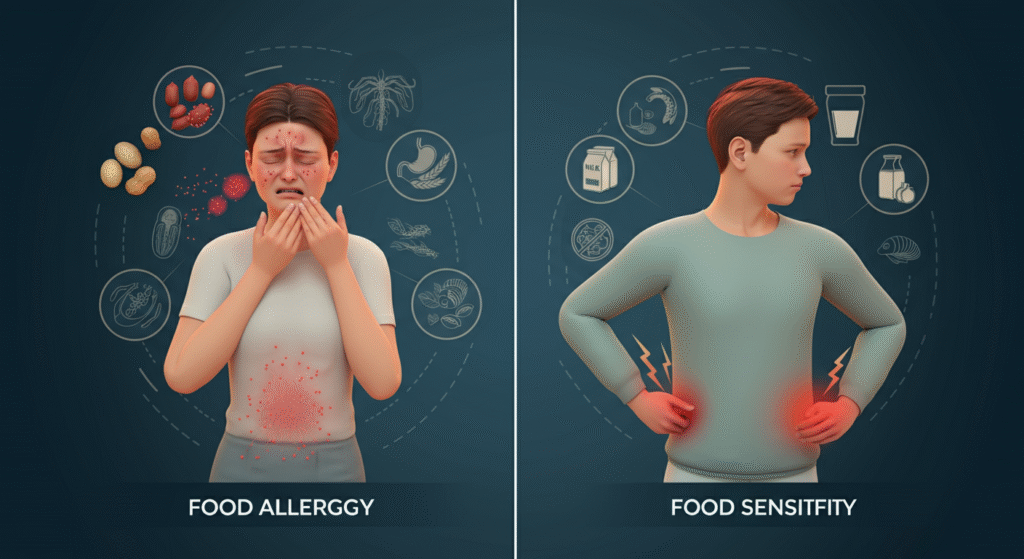
What’s the Difference Between a Food Intolerance and a Food Allergy?
These two get mixed up all the time. But they’re not the same thing.
A food allergy triggers your immune system to react — sometimes dangerously. Think hives, swelling, trouble breathing. These reactions can be serious, even life-threatening (AAAAI).
A food intolerance is different. Your body simply struggles to process or digest a particular food. It’s uncomfortable, not dangerous (AAAAI).
So if milk makes you bloated and gassy, that’s likely an intolerance. If it makes your throat close up, that’s an allergy — and a medical emergency.
Why Are Food Intolerances So Common Now?
Hard to say for certain. But a few things are clear: people are paying closer attention to how food makes them feel, and conversations around gut health have gone mainstream.
That awareness is a good thing. It just means more people are asking, “Why does this keep happening to me?”
The challenge? There’s no single blood test that can hand you a tidy list of foods to avoid (AAAAI). Figuring this out takes a bit of detective work.
Understanding Food Intolerances
What Are the Most Common Types of Food Intolerance?
A few show up again and again:
- Lactose intolerance — trouble digesting the sugar in dairy
- Gluten sensitivity — discomfort after eating wheat, barley, or rye (different from celiac disease, which is an autoimmune condition)
- Histamine intolerance — reactions to aged, fermented, or leftover foods
- Fructose intolerance — issues digesting fruit sugar
Each one has its own quirks. But they tend to share a common thread: your gut just isn’t processing something the way it should.
What Causes Food Intolerances to Develop?
Sometimes it’s genetic. Lactose intolerance, for example, often runs in families.
Other times, it develops gradually — maybe after a stomach bug, a course of antibiotics, or years of eating a certain food in large amounts.
What Symptoms Mean You Should Get Tested?
Classic symptoms include bloating, gas, stomach pain, and diarrhea — usually showing up after you’ve eaten too much of the trigger food (AAAAI).
Some people also report headaches, tiredness, or that foggy, can’t-think-straight feeling after eating certain foods or additives.
If this sounds familiar and it’s happening often, it’s worth looking into. Your gut is trying to tell you something.
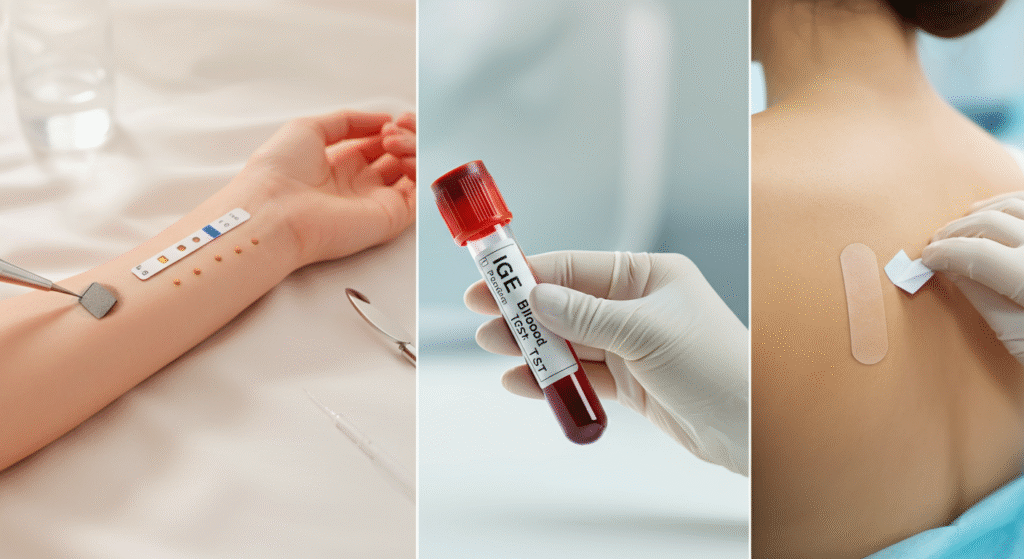
What Are the Different Types of Food Intolerance Tests?
How Does an Elimination Diet Work?
This is the gold standard, honestly. You remove a suspected trigger food completely for a few weeks, then reintroduce it slowly while tracking your symptoms.
Pros: It’s free, doesn’t require lab work, and gives you real, personal evidence.
Cons: It takes patience. You need to track things carefully, and it’s easy to get it wrong without guidance — which is why working with a dietitian helps.
Are IgG Antibody Blood Tests Reliable?
Short answer: not really. These tests measure IgG antibodies to dozens of foods — sometimes 90 to 100 at once (AAAAI).
Here’s the catch. Having IgG antibodies to a food might just mean your body has been exposed to it — not that it’s causing you harm. Higher IgG4 levels may actually reflect tolerance, not a problem (AAAAI).
Major allergy organizations, including the AAAAI, the Canadian Society of Allergy and Clinical Immunology, and the European Academy of Allergy and Clinical Immunology (EAACI), all advise against using IgG testing to diagnose food allergies or intolerances. The AAAAI’s Choosing Wisely campaign specifically flags IgG panels as an unproven test to avoid.
Pros: Easy to order online, quick results.
Cons: Not backed by science. Can lead you to cut out foods unnecessarily — which isn’t harmless, since restrictive diets can affect your nutrition.
What Happens During a Hydrogen Breath Test?
This one’s mainly used for lactose and fructose intolerance. You drink a liquid containing a measured amount of lactose (or fructose), then breathe into a collection device every 30 minutes for a few hours (NIDDK).
If your undigested sugar ferments in your gut, it produces hydrogen — which shows up in your breath. Rising hydrogen levels paired with symptoms point toward intolerance (NIDDK).
Pros: Backed by solid science, specific, and more objective than self-tracking.
Cons: Takes a few hours at a clinic, and it’s really only useful for certain sugar intolerances — not a catch-all test.
How to Get Tested for Food Intolerance
Who Should You Talk to First?
Start with your doctor. They’ll ask about your symptoms, your eating habits, and your family history, and may rule out other conditions like IBS, celiac disease, or small bowel bacterial overgrowth, which can look a lot like intolerance (NIDDK).
A registered dietitian is also incredibly useful here, especially for building and managing an elimination diet the right way.
What Should You Expect During the Testing Process?
Your doctor might first ask you to cut a suspected food for a while and see if symptoms improve. If that’s inconclusive, they may refer you for a hydrogen breath test or other targeted testing (NIDDK).
How Much Does Food Intolerance Testing Cost?
This really depends on where you live, your provider, and your insurance plan. Some clinics offer breath testing with insurance coverage; others charge a flat self-pay rate. It’s worth calling ahead and asking about cost and coverage before you book anything.
How Long Does It Take to Get Results?
Again, this varies by provider and test type. Breath tests are typically done in a single clinic visit, while elimination diets take several weeks to produce a clear picture. Ask your provider for a realistic timeline upfront.
How Do You Manage a Food Intolerance Once You’ve Identified It?
How Do You Build an Elimination Diet Plan?
Start by removing the suspected trigger completely — no exceptions, no “just this once.” After a few weeks, reintroduce it slowly and track how you feel.
Keep a simple food journal. It doesn’t need to be fancy, just consistent.
How Do You Find Good Substitutes for Trigger Foods?
Lactose-free dairy, gluten-free grains, low-histamine proteins — there’s a substitute for almost everything these days. The trick is finding ones you actually enjoy, not just ones that “count.”
How Do You Spot Hidden Triggers on Food Labels?
This takes practice. Lactose hides in salad dressings. Gluten sneaks into soy sauce. Histamine builds up in leftovers you forgot about in the fridge.
Read labels every time, even for foods you’ve bought before. Recipes change.
How Do You Stay Nutritionally Balanced While Avoiding Trigger Foods?
Cutting out a food group without a plan can leave gaps in your diet. Dairy-free? You might need another calcium source. Gluten-free? Watch your fiber intake.
This is exactly where a dietitian earns their keep.
When Should You Consult a Professional About Food Intolerance?
What Are the Red Flags That Mean You Need Medical Evaluation?
Unexplained weight loss, blood in your stool, severe pain, or symptoms that keep getting worse — these aren’t things to self-diagnose. See a doctor.
And if you suspect a true allergy, not just an intolerance, don’t try food challenges at home. Get evaluated by an allergist first (AAAAI).
Why Work With a Dietitian for Long-Term Management?
A dietitian helps you build sustainable meal plans, catch nutrition gaps before they become a problem, and avoid the trap of cutting out more foods than you actually need to.
Your Next Step Toward Feeling Better
A food intolerance check isn’t about following a trend — it’s about finally getting answers to something that’s been bothering you for a while.
Whether that means trying an elimination diet, booking a hydrogen breath test, or simply having an honest conversation with your doctor, the point is to stop guessing.
Start by talking to a healthcare provider or registered dietitian who can guide you through proper testing. Your gut will thank you.
This article is for general information only and isn’t a substitute for medical advice. Always consult a healthcare provider before making major changes to your diet.
Frequently Asked Questions
How much does a food intolerance test cost?
Costs vary widely depending on the test type, provider, and whether your insurance covers it. Ask your clinic directly about pricing and coverage before scheduling.
How long does it take to get results from a food intolerance check?
It depends on the method. Breath tests usually happen in a single visit lasting a few hours, while elimination diets take several weeks to show a clear pattern.
Who should consider a food intolerance check?
Anyone experiencing regular bloating, gas, stomach pain, or fatigue after eating certain foods — especially if symptoms happen consistently and affect daily life.
Are IgG food sensitivity tests accurate?
No. Major allergy organizations, including the AAAAI and EAACI, advise against using IgG panels to diagnose food intolerances, as they haven’t been scientifically proven reliable.
What’s the difference between a food intolerance and celiac disease?
Celiac disease is an autoimmune condition triggered by gluten, not a simple intolerance. It requires proper medical testing — don’t assume you have it without seeing a doctor.