Quick answer: You can check your hormone levels through blood tests, saliva tests, urine tests, or at-home kits, with blood tests being the most accurate for most hormones. The right test depends on which hormone you’re checking, your symptoms, and whether timing (like your menstrual cycle) matters. A doctor can help you choose the right test and interpret your results.
Ever feel exhausted even after a full night’s sleep? Or notice your mood swinging for no clear reason? Your hormones might be behind it.
Hormones are chemical messengers that quietly run the show in your body. They control your energy, your mood, your metabolism, your sleep, and a lot more. When they’re balanced, you barely notice them. When they’re off, you feel it everywhere.
This guide walks you through why hormone testing matters, the signs that suggest you should get checked, the different testing methods available, and how to actually make sense of your results. No medical degree required.
What Are Hormones, and Why Do They Matter So Much?
Think of hormones as your body’s internal text messages. Glands like your thyroid, adrenal glands, and ovaries or testes produce hormones and send them through your bloodstream to tell your organs what to do and when.
A few hormones tend to cause the most noticeable problems when they’re out of balance:
- Cortisol – your main stress hormone, produced by your adrenal glands
- Thyroid hormones (T3 and T4) – these regulate your metabolism and energy
- Estrogen – key for reproductive health, mostly in women
- Testosterone – important for muscle, energy, and libido in both men and women
When one of these hormones gets too high or too low, your body usually lets you know. Maybe it’s constant tiredness. Maybe it’s unexplained weight gain. Sometimes it’s as subtle as dry skin or as obvious as missed periods.
The tricky part? Hormonal imbalance symptoms often overlap with everyday stress or lack of sleep. That’s exactly why testing matters. It takes the guesswork out of the equation.
What Signs Mean You Should Check Your Hormone Levels?
Your body usually gives you a heads-up before things get serious. Here’s what to watch for.
Fatigue and Low Energy
Feeling tired is normal once in a while. Feeling tired all the time, even after rest, isn’t. Chronic fatigue is one of the most common signs of thyroid issues or cortisol imbalance.
Mood Changes and Anxiety
Hormones and mood are deeply connected. If you’ve noticed more irritability, anxiety, or mood swings than usual, your hormones could be part of the story.
Weight Fluctuations
Gaining or losing weight without changing your diet or exercise routine is worth paying attention to. Thyroid hormones and cortisol both play a big role in how your body manages weight.
Sleep Disturbances
Struggling to fall asleep, waking up at 3 a.m. for no reason, or never feeling rested can point to cortisol imbalances or shifts in estrogen and progesterone.
Hair Loss and Skin Issues
Thinning hair, brittle nails, or sudden breakouts aren’t just cosmetic annoyances. They can reflect what’s happening with your thyroid or sex hormones.
Irregular Menstrual Cycles or Reproductive Concerns
Periods that are unpredictable, unusually painful, or absent altogether are a clear signal to check in with a doctor. The same goes for fertility struggles.
If a few of these sound familiar, it might be time to get your hormone levels checked.
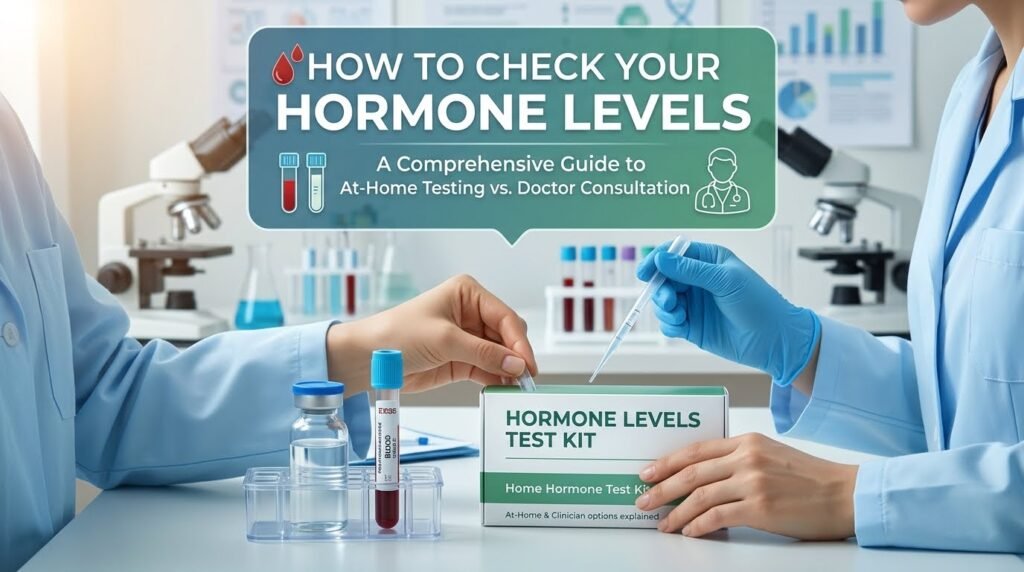
What Are the Best Methods for Checking Hormone Levels?
There’s no single “best” way to test hormones. It depends on which hormone you’re checking and what you need the results for.
Blood Tests
Blood tests are the gold standard for most hormone panels. They’re accurate, widely available, and can measure multiple hormones at once, including thyroid hormones, testosterone, and estrogen.
Choose blood testing if you want the most reliable, comprehensive results and you’re working with a doctor who can order a full panel.
Saliva Tests
Saliva tests are less invasive and good for measuring “free” hormone levels, meaning the hormones that are actually available for your body to use, rather than ones bound to proteins in your blood. They’re often used for tracking cortisol throughout the day since levels naturally rise and fall.
Choose saliva testing if your doctor wants to track cortisol patterns over a single day rather than a single snapshot.
Urine Tests
Urine testing is especially useful for tracking cortisol and its metabolites over a 24-hour period. It can also offer insight into how your body is processing certain hormones, not just how much you have.
Choose urine testing if you and your doctor want to understand how your body metabolizes hormones over time, not just current levels.
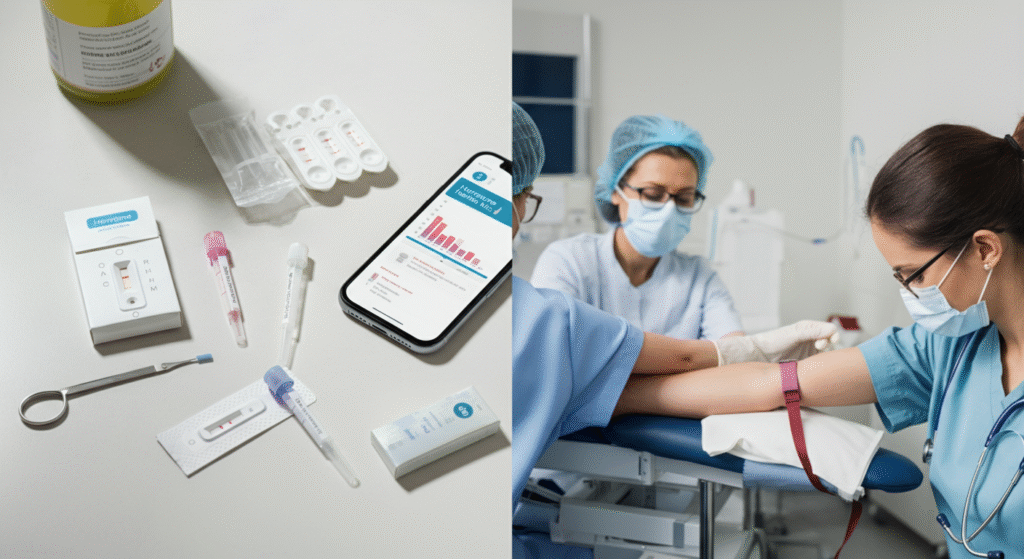
At-Home Test Kits
At-home kits have become popular for their convenience. You collect a sample (blood, saliva, or urine) at home and send it to a lab.
Pros: Private, convenient, and often cheaper than a doctor’s visit.
Cons: Not all kits are equally accurate, and you won’t have a doctor to walk you through next steps.
Choose an at-home kit if you want a general baseline before deciding whether to pursue a full workup with your doctor. Treat it as a starting point, not a diagnosis.
How Should You Prepare for Hormone Testing?
A few simple steps can make your results far more accurate.
Timing Matters, Especially for Menstrual Cycles
If you’re testing estrogen or progesterone, timing within your menstrual cycle makes a real difference. Your doctor will usually recommend testing on a specific day, often around day 3 for some hormones or day 21 for others.
Lifestyle Factors Can Skew Results
Stress, poor sleep, intense exercise, and even caffeine can temporarily affect hormone levels. Try to test under fairly normal, low-stress conditions when possible.
Bring the Right Information to Your Appointment
Write down your symptoms, when they started, and anything that makes them better or worse. This helps your doctor decide which hormones to test and interpret your results in context.
What to Expect With Cost and Insurance
Costs vary a lot depending on the type of test and whether insurance covers it. Standard blood panels ordered by a doctor are often covered, at least partially. At-home kits are typically out-of-pocket and can range from around $50 to $200 or more.
How Do You Interpret Your Hormone Test Results?
Getting your results back can feel like reading a foreign language. Here’s how to make sense of it.
Understand “Normal” Ranges
Labs provide reference ranges, but “normal” varies by age, sex, and even time of day. A result slightly outside the range isn’t automatically a red flag. It depends on your symptoms and overall picture.
What Different Results May Indicate
High cortisol might point to chronic stress or an adrenal issue. Low thyroid hormones often suggest hypothyroidism, which can explain fatigue and weight gain. Low testosterone can affect energy and muscle mass in both men and women.
When to Consult a Specialist
If your results are significantly outside the normal range, or your symptoms don’t improve with lifestyle changes, it’s worth seeing an endocrinologist. They specialize in hormone-related conditions and can dig deeper than a general practitioner.
What to Do After You Get Your Results
Don’t just file the report away. Schedule a follow-up with your doctor to talk through what the numbers mean for you specifically, and whether treatment, retesting, or lifestyle changes make sense.
Take Charge of Your Hormone Health
Your hormones affect nearly every part of how you feel day to day. Checking them isn’t about chasing a diagnosis. It’s about understanding your own body better.
If something feels off, trust that instinct. A simple test could be the first step toward real answers, and a plan that actually works for you. Talk to your doctor about which test makes sense for your symptoms, and don’t be afraid to ask questions until the results actually make sense to you.
Frequently Asked Questions
How much does hormone testing cost?
Costs range widely. Doctor-ordered blood panels are often partially covered by insurance, while at-home kits typically cost $50–$200 out of pocket.
How long does it take to get hormone test results?
Blood tests usually return results within a few days to a week. At-home kits can take slightly longer since samples need to be mailed to a lab.
Are at-home hormone tests accurate?
They can give a useful baseline, but accuracy varies by brand and hormone type. For a full diagnosis, a doctor-ordered test is more reliable.
Who should get their hormone levels checked?
Anyone experiencing unexplained fatigue, mood changes, weight fluctuations, sleep issues, or irregular periods should consider testing, especially if symptoms persist for several weeks.
What’s the difference between blood, saliva, and urine hormone tests?
Blood tests measure total hormone levels and are best for a broad panel. Saliva tests measure free, usable hormone levels and work well for tracking cortisol throughout the day. Urine tests track hormone metabolites over 24 hours, showing how your body processes hormones over time.