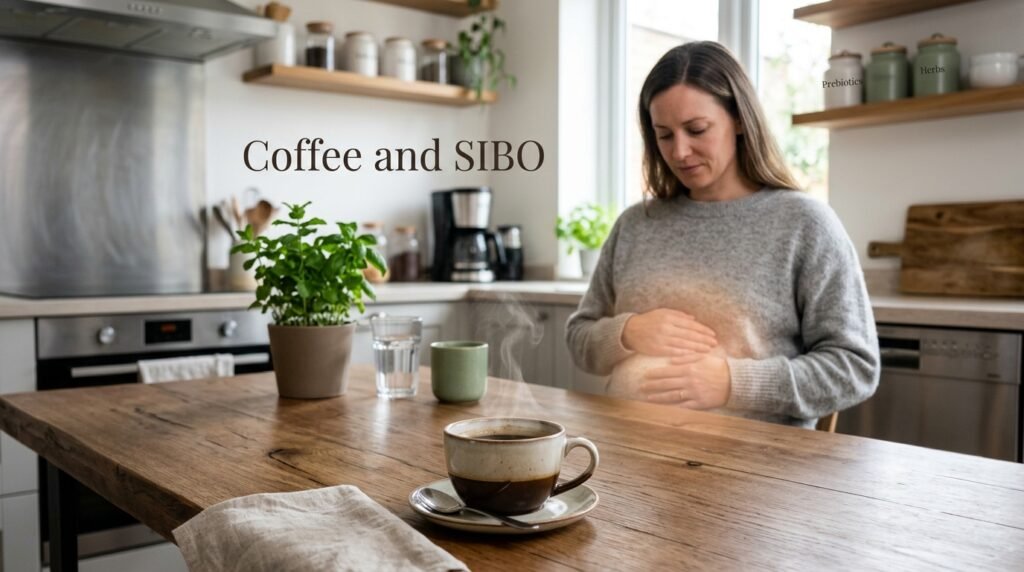
TL;DR: Coffee can trigger SIBO symptoms in sensitive individuals because its acidity and caffeine stimulate stomach acid and gut motility. However, it may help those with constipation-dominant SIBO. To minimize symptoms, drink cold brew or dark roast in moderation, avoid sugary additives, and never drink it on an empty stomach.
Giving up your morning cup of coffee can feel impossible. But when you are struggling with daily digestive issues, you start to question everything you consume.
Diet plays a massive role in managing digestive disorders. Beverages are no exception, especially those containing caffeine and acid.
If you are dealing with an unhappy gut, you might wonder if your favorite morning ritual is secretly working against you. Let’s explore exactly how coffee impacts your digestion and whether you need to cut it out completely.
What is Small Intestinal Bacterial Overgrowth (SIBO)?
Small Intestinal Bacterial Overgrowth, or SIBO, happens when bacteria from your large intestine migrate upward. They settle in your small intestine, where they do not belong.
Normally, your small intestine has relatively few bacteria. Its main job is to absorb nutrients from the food you eat.
When too many bacteria gather there, they feast on your food before you can digest it properly. This creates rapid fermentation, which leads to uncomfortable symptoms like painful bloating, excessive gas, diarrhea, and nutrient deficiencies.
How does coffee affect SIBO symptoms?
Coffee has a powerful and immediate effect on your digestive system. It interacts directly with your gut motility and stomach acid production.
For some people, this stimulation speeds up digestion too much. The increased acid can irritate an already inflamed gut lining, leading to sharp stomach pains.
However, everyone handles coffee differently. Individual tolerance varies greatly, meaning your reaction might look completely different from someone else’s.
How might coffee worsen your SIBO symptoms?
Does coffee increase gut motility?
Coffee is known for its laxative effect. It stimulates the Migrating Motor Complex (MMC), which is the system that sweeps waste through your digestive tract.
While a functioning MMC is crucial for preventing SIBO, overstimulating it can trigger urgent diarrhea in sensitive individuals.
Does coffee stimulate stomach acid?
Drinking coffee prompts your stomach to produce more acid. This helps digest food, but high acidity can irritate an inflamed digestive tract.
If your small intestine is already compromised by bacterial overgrowth, this extra acid can cause severe heartburn or indigestion.
Can coffee increase bloating and gas?
Coffee itself does not ferment in the gut. However, the way it speeds up digestion can push poorly digested food into the lower intestine too quickly.
When bacteria feast on this undigested food, they produce excess gas, leaving you feeling incredibly bloated.
How does stress hormone activation affect the gut?
Caffeine triggers the release of cortisol, your body’s main stress hormone. High cortisol levels can shift your body into a “fight or flight” state.
When your nervous system is stressed, digestion slows down and blood flows away from your gut. This can worsen overall gut health over time.
Can coffee ever help with SIBO?
Surprisingly, coffee is not all bad news for everyone with this condition. It might offer potential benefits for those with constipation-dominant SIBO (sometimes called IMO).
Because coffee stimulates bowel movements, it can help relieve stubborn constipation. Keeping waste moving is essential for flushing out excess bacteria.
The key is moderation. A small amount might help you stay regular, while too much could push you into cramps and discomfort.
Which coffee types are best for SIBO sensitivity?
How does black coffee affect the gut?
Black coffee has the strongest stimulant effect on your digestive system. Without any milk or food to buffer it, it hits your stomach hard and fast.
Is espresso better than filter coffee?
Espresso is highly concentrated but uses less water than traditional filter coffee. Some people find small shots of espresso easier to digest than a large mug of drip coffee.
Is decaf coffee safe for SIBO?
Decaf coffee has a much lower caffeine impact, which reduces the cortisol spike. However, it is still highly acidic and can still irritate a sensitive stomach lining.
Why is cold brew coffee gentler on the stomach?
Cold brew is steeped in cold water for hours, making it significantly less acidic than hot-brewed coffee. According to nutrition experts, choosing a dark roast can also be gentler on your stomach than a light roast. Choose cold brew if stomach acid irritation matters more than caffeine content.
Which coffee additives trigger SIBO symptoms?
Dairy milk contains lactose, a common sugar that bacteria love to ferment. If you add heavy milk or cream to your cup, the dairy is likely causing more bloating than the coffee itself.
Sugar and artificial sweeteners are also major triggers. The bacteria in your small intestine thrive on simple sugars, turning them into rapid gas.
Commercial creamers are often packed with artificial additives, thickeners, and hidden high-FODMAP ingredients. These can cause a severe symptom flare-up almost immediately.
What are the best alternatives to coffee for SIBO?
Which herbal teas are SIBO-friendly?
Peppermint tea is excellent for relaxing the muscles of the digestive tract and relieving gas. Ginger tea is another powerful option, as it naturally stimulates digestion and eases nausea. Chamomile tea can calm the nervous system and soothe stomach cramps.
Are low-acid warm drinks better?
Bone broth is a fantastic warm drink that actually helps repair an inflamed gut lining. It is deeply nourishing and contains zero fermentable carbohydrates.
Be cautious with chicory root coffee substitutes. According to [ScienceDirect, 2009], chicory root can contain more than 70% inulin. Inulin is a highly fermentable fiber that will feed your bacterial overgrowth.
What are good caffeine-free options?
Rooibos tea is naturally caffeine-free and very gentle on the stomach. Dandelion root tea is another option, as it can stimulate healthy stomach acid production without the massive caffeine crash.
Should you avoid coffee entirely on a SIBO diet?
When you are actively treating your gut, a temporary elimination diet can be very helpful. Removing coffee for a few weeks gives your inflamed tissues a chance to calm down.
After the elimination period, you can test your personal tolerance. Introduce a small amount of low-acid coffee and watch carefully for any reactions.
Tracking your symptoms in a journal is the best way to find your limits. Note what type of coffee you drank, what you put in it, and how you felt an hour later.
How can you drink coffee safely with SIBO?
If you decide to keep drinking it, always consume it in strict moderation. Stick to one small cup a day rather than sipping continuously all morning.
Avoid drinking coffee on an empty stomach at all costs. Having it with a solid, SIBO-friendly meal provides a buffer against the high acidity.
Choose low-acid options like cold brew or a very dark roast. Finally, skip the high-sugar additives and opt for a splash of unsweetened almond or macadamia milk instead.
What are the signs coffee is making your SIBO worse?
Pay attention to increased bloating within an hour of finishing your cup. This is a clear sign your digestive system is overwhelmed.
Abdominal pain or sharp cramping is another red flag. This usually means the acid is irritating your intestinal lining.
Sudden changes in your bathroom habits, like rapid diarrhea or sudden constipation, indicate your gut motility is out of balance. If you feel extreme fatigue or jitteriness, the caffeine is likely spiking your stress hormones too much.
What are other SIBO treatment and lifestyle considerations?
Diet alone rarely cures bacterial overgrowth, but it is crucial for symptom management. You must starve the bacteria while keeping yourself adequately nourished.
Doctors typically use specific antibiotics or targeted herbal antimicrobial treatments to kill the overgrowth. You cannot skip this step if you want long-term relief.
Gut healing strategies are also required after the bacteria are gone. You must rebuild your gut lining and address the root cause of why your digestion slowed down in the first place.
Frequently Asked Questions
Can I drink coffee if I have SIBO?
Yes, you can drink coffee if you have SIBO, provided you tolerate it well. Monitor your symptoms closely, limit yourself to one cup a day, and always drink it with food to buffer the stomach acid.
Does caffeine make SIBO worse?
Caffeine can make SIBO worse by triggering the release of stress hormones like cortisol. High stress slows down proper digestion and can worsen gut inflammation over time.
Is decaf coffee safe for SIBO?
Decaf coffee is generally safer than regular coffee because it has less caffeine to trigger stress hormones. However, decaf is still highly acidic and may cause stomach pain if your gut lining is very sensitive.
Why does coffee make me bloated?
Coffee makes you bloated because it speeds up digestion, pushing partially digested food into the intestines too quickly. Gut bacteria then ferment this undigested food, producing excess gas.
What is the best drink for SIBO?
The best drink for SIBO is plain water, but peppermint or ginger tea are excellent warm alternatives. Both teas naturally soothe the digestive tract and help reduce gas and painful cramping.
Final thoughts on coffee and gut health
Coffee has a complicated relationship with digestive health. Its effects are mixed, offering quick bowel stimulation for some while causing painful bloating for others.
Your individual tolerance is the only metric that truly matters. What works perfectly for a friend might leave you curled up on the couch in discomfort.
Listen to your body, track your daily symptoms, and do not be afraid to adjust your diet as your gut heals.