Quick answer: Yes, SIBO (Small Intestinal Bacterial Overgrowth) can cause weight gain. Methane-dominant SIBO slows down your digestion, allowing your body to extract more calories from food. SIBO also causes severe bloating that mimics weight gain, alongside inflammation and insulin imbalances that encourage fat storage.
Have you noticed the scale creeping up, even though you haven’t changed your diet? Are your jeans feeling uncomfortably tight by the end of the day?
If you are dealing with unexplained weight changes and constant stomach issues, your gut bacteria might be to blame. Specifically, a condition called SIBO could be the hidden culprit behind your struggles.
Your digestive health does much more than process food. The bacteria in your gut actually dictate how your body stores fat, regulates blood sugar, and manages hunger.
Let’s break down exactly how SIBO contributes to weight gain, why it makes you feel so bloated, and what you can do to get your body back on track.
What Is SIBO?
SIBO stands for Small Intestinal Bacterial Overgrowth.
Normally, most of your gut bacteria live in your large intestine. But with SIBO, these bacteria migrate up into your small intestine, where they don’t belong.
When bacteria hang out in the small intestine, they feast on the food you eat before your body has a chance to absorb the nutrients. This causes fermentation, which produces massive amounts of gas.
This bacterial overgrowth severely disrupts how you digest food and absorb nutrients.
Common causes of SIBO include a slow digestive tract, low stomach acid, or structural issues in the gut. Previous stomach infections or frequent antibiotic use can also trigger it.
Can SIBO Cause Weight Gain?
Yes, SIBO can definitely contribute to weight gain.
Your gut bacteria play a massive role in your metabolism. When the wrong type of bacteria takes over, it changes how your body extracts and stores energy from food.
Certain types of SIBO bacteria are incredibly efficient at harvesting calories. This means you could eat the exact same meal as someone else, but your body absorbs more calories from it.
It is also vital to tell the difference between actual fat gain and chronic bloating. Many people with SIBO feel like they have gained 10 pounds of fat, but it is actually severe abdominal distension caused by trapped gas.
How SIBO May Lead to Weight Gain
So, what exactly is happening inside your body? Here are the main ways this gut condition affects your weight.
Chronic Bloating and Water Retention
If your belly swells up like a balloon after meals, that is SIBO gas. This abdominal distension makes your weight appear and feel much higher than it actually is.
Increased Inflammation
SIBO damages your intestinal lining, leading to a “leaky gut.” This allows toxins to enter your bloodstream, triggering systemic inflammation. Chronic inflammation directly slows down your metabolism and encourages your body to store fat.
Insulin Resistance and Blood Sugar Imbalances
Gut bacteria strongly influence how your body handles glucose. An imbalance can lead to insulin resistance, meaning your cells don’t respond well to insulin. When this happens, your body pumps out more insulin, which acts as a fat-storing hormone.
Hormonal Disruptions
Digestive distress is stressful for your body. This chronic stress raises cortisol, your primary stress hormone. High cortisol increases your appetite and tells your body to store fat right around your belly.
Reduced Physical Activity
Let’s be honest. When you are severely bloated, tired, and in pain, you do not want to go to the gym. The fatigue and discomfort of SIBO naturally limit your physical movement, reducing the calories you burn each day.
Can SIBO Also Cause Weight Loss?
Interestingly, SIBO can cause weight loss in some people.
Because the bacteria are eating your food, your body might not absorb enough nutrients. This malabsorption can lead to severe nutrient deficiencies and unintended weight loss.
Why do some gain while others lose? It often comes down to the specific type of gas the bacteria produce: hydrogen or methane. Hydrogen SIBO typically speeds up digestion (causing diarrhea and weight loss). Methane SIBO does the exact opposite.
Methane SIBO and Weight Gain
If you are gaining weight, you likely have methane-dominant SIBO (also called IMO, or Intestinal Methanogen Overgrowth).
Methane-producing bacteria act like a roadblock in your gut. They significantly slow down your digestion.
Because food sits in your digestive tract for a longer time, these bacteria have extra time to extract calories from your meals. Research clearly shows a link between methane-dominant gut bacteria and higher obesity rates.
This slow digestion also leads to severe constipation. Being backed up for days adds physical weight to your body and dramatically worsens your bloating.
Symptoms That Often Accompany SIBO Weight Gain
Weight gain is rarely the only sign of SIBO. You will usually experience a combination of these frustrating symptoms:
Persistent Bloating
This is the hallmark sign. Your stomach might be flat in the morning, but look six months pregnant by dinner.
Constipation
Especially with methane SIBO, you might struggle to use the bathroom regularly or feel like you never fully empty your bowels.
Gas and Abdominal Pressure
You might feel a constant, uncomfortable pressure in your upper stomach, accompanied by frequent burping or flatulence.
Food Intolerances
Foods you used to eat without issue—like garlic, onions, or apples—suddenly cause severe digestive distress.
Fatigue and Brain Fog
The chronic inflammation and nutrient malabsorption leave you feeling exhausted and unable to focus.
How to Know if SIBO Is Causing Your Weight Gain
You shouldn’t guess when it comes to gut health. Here is how to figure out if SIBO is your root cause.
Common Warning Signs
Watch for weight changes that happen alongside sudden, severe digestive symptoms. If your weight gain started right after a bout of food poisoning or a highly stressful event, SIBO is a strong suspect.
SIBO Breath Testing
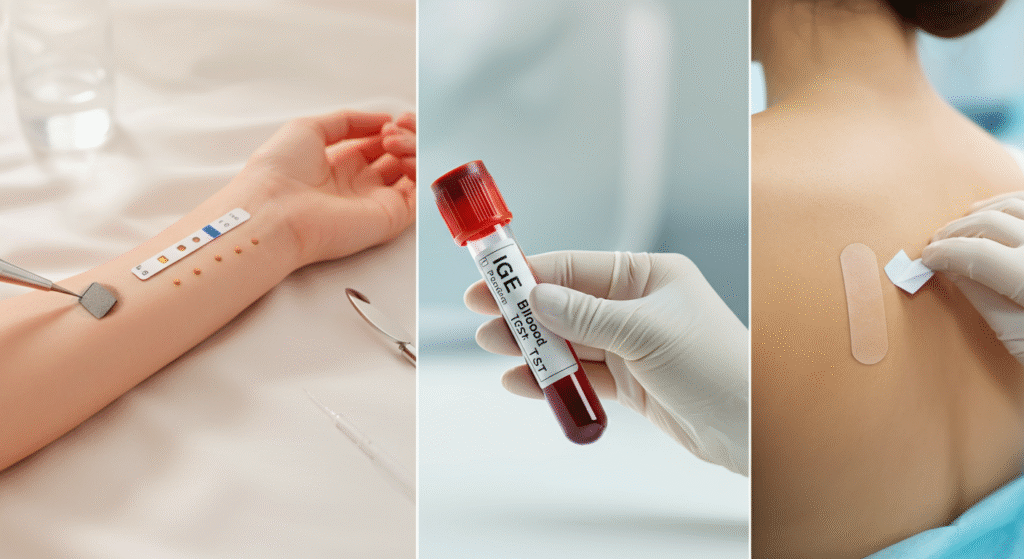
The gold standard for diagnosis is a lactulose or glucose breath test. You drink a sugary solution and breathe into tubes for a few hours. This test measures the exact levels of hydrogen and methane gases in your gut.
Medical Evaluation
It is crucial to work with a doctor. They need to rule out other conditions that mimic SIBO, like thyroid disorders, hormonal imbalances, or Irritable Bowel Syndrome (IBS).
How Treating SIBO May Affect Weight
When you finally clear the bacterial overgrowth, your body can return to its natural balance. Here is what usually happens to your weight.
Reduced Bloating
Within weeks of treatment, that “pregnant” belly often deflates. You will instantly feel lighter as the trapped gas dissipates.
Improved Digestion
Your digestive tract will speed back up to a normal, healthy pace, relieving constipation and water retention.
Better Nutrient Absorption
Your body will actually absorb the vitamins and minerals from your food, naturally increasing your daily energy levels.
Stabilized Appetite and Metabolism
As inflammation drops and insulin levels balance out, your hunger hormones stabilize. This makes it much easier to manage your weight naturally.
Best Diet Tips for SIBO and Weight Management
Diet alone won’t cure SIBO, but it is essential for managing symptoms and keeping your weight stable while you undergo treatment.
Follow a Low-FODMAP Diet
FODMAPs are specific carbohydrates that ferment easily in the gut. Reducing high-FODMAP foods (like garlic, onions, and wheat) starves the bacteria and drastically reduces bloating.
Reduce Sugar and Processed Foods
Bacteria love sugar. Cutting back on sweets, refined carbs, and processed foods stops feeding the overgrowth.
Eat Balanced Meals
Focus on high-quality proteins, healthy fats, and easy-to-digest vegetables. This keeps your blood sugar stable and prevents insulin spikes.
Stay Hydrated
Drinking plenty of water is vital, especially if you struggle with methane-induced constipation. Hydration keeps things moving through your digestive tract.
Avoid Trigger Foods
Pay attention to what makes you flare up. Keeping a food journal helps you identify and avoid the specific items that trigger your worst symptoms.
Treatment Options for SIBO
To truly fix your weight and digestion, you have to eradicate the overgrowth.
Antibiotics
Doctors often prescribe gut-specific antibiotics like Rifaximin. For methane SIBO, Rifaximin is usually paired with Neomycin to effectively target the stubborn methane bacteria.
Herbal Antimicrobials
Many patients prefer natural routes. Herbal blends containing oregano oil, berberine, and allicin (garlic extract) have been shown in studies to be just as effective as traditional antibiotics.
Probiotics
Probiotics are tricky with SIBO. Some strains can actually make the overgrowth worse. However, soil-based probiotics (sporebiotics) or Saccharomyces boulardii can help repair the gut without adding fuel to the fire.
Lifestyle and Stress Management
Stress literally slows down digestion. Managing stress through yoga, walking, or meditation is crucial for keeping your gut moving and preventing a SIBO relapse.
When to See a Doctor
Don’t try to manage this entirely on your own. You should seek medical attention if you experience:
- Rapid, unexplained weight gain or loss
- Severe abdominal pain, bloating, or chronic constipation
- Signs of nutrient deficiencies (like hair loss or brittle nails)
- Digestive symptoms that disrupt your daily life
Frequently Asked Questions
Does SIBO slow metabolism?
Yes. SIBO causes systemic inflammation and insulin resistance, both of which can slow your metabolic rate and cause your body to store fat instead of burning it.
Can methane SIBO cause weight gain?
Yes. Methane-producing bacteria slow down intestinal transit time. This gives your body more time to extract calories from your food, leading to weight gain and severe constipation.
Is SIBO bloating the same as fat gain?
No. SIBO bloating is caused by trapped gas expanding your intestines. While it makes your stomach look and feel larger, it is not actual fat tissue.
Will I lose weight after treating SIBO?
Many people do lose weight after treatment. Once the bacteria are cleared, your bloating goes down, your digestion speeds up, and your metabolism can function normally again.
Can gut bacteria affect body weight?
Absolutely. Your gut microbiome influences how many calories you absorb from food, how you regulate blood sugar, and how your hunger hormones operate.
Next Steps for Your Gut Health
The link between your gut bacteria and your body weight is undeniable. If you are struggling with stubborn weight gain, severe bloating, and constipation, SIBO might be the missing puzzle piece.
The good news? It is entirely treatable. You do not have to live with a bloated, uncomfortable stomach forever.
If these symptoms sound familiar, your next step is to speak with a gastroenterologist or a functional medicine doctor. Ask them about a SIBO breath test. Getting a proper diagnosis is the first step toward healing your gut, balancing your metabolism, and feeling comfortable in your own skin again.