Managing your blood sugar can sometimes feel like a full-time job. Between watching what you eat and tracking your numbers, the last thing you want is another trip to the clinic.
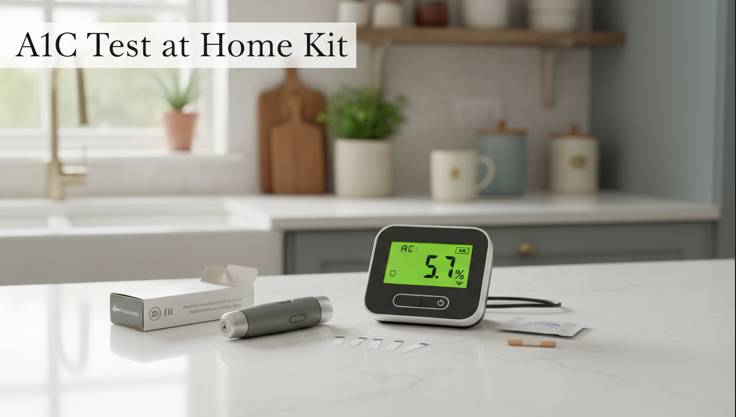
That is where an A1C test at home kit comes in handy. These simple test kits let you check your long-term blood sugar levels right from your living room.
But with so many options online, how do you know which one to trust? You might be wondering if a home A1C test is actually accurate, or if you still need to see a doctor.
We are going to break down exactly how these kits work, what they cost, and how to find the best home A1C kit for your needs. By the end of this post, you will know exactly how to take control of your metabolic health from the comfort of your own home.
What is an A1C Test (And Why Test at Home)?
Hemoglobin A1C is a blood test that measures your average blood sugar levels over the past two to three months. Think of it as a long-term report card for your metabolic health.
This is very different from daily glucose monitoring. A daily finger prick tells you what your blood sugar is at that exact second. An A1C test gives you the big picture of how your body handles sugar over time.
Testing at home offers incredible benefits for anyone looking to stay on top of their health. It is private, convenient, and eliminates the need for a stressful doctor’s visit.
Plus, a no-prescription A1C test means you can check your levels whenever you want. This frequent monitoring helps you catch potential issues early and track how your lifestyle changes are working. For more on this, check out our guide on How Often Should You Get Routine Blood Tests.
How Does a Home A1C Kit Work?
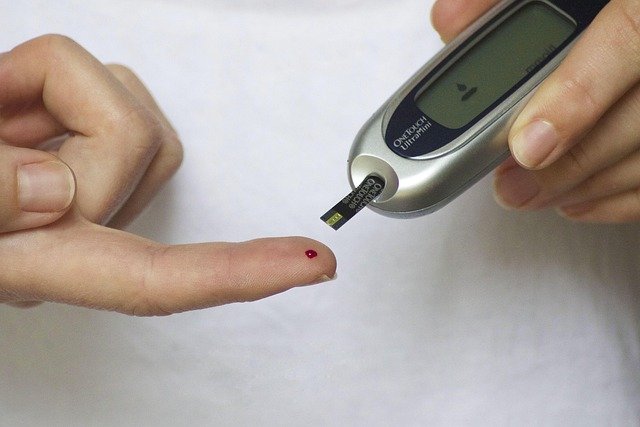
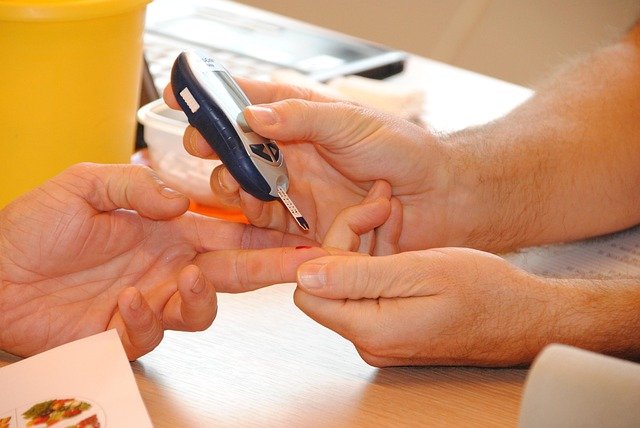
Most at-home diabetes test kits rely on a simple finger prick to collect a few drops of blood. This is much easier and less painful than a traditional lab-drawn blood test from your arm.
Here is the exact process you can expect when using a standard kit:
- Collect a small blood sample: You will use a tiny, spring-loaded lancet to prick your fingertip.
- Apply the blood: Squeeze a few drops onto the provided test card or collection tube.
- Mail it in or read it instantly: Most kits require you to mail your sample to a lab using a prepaid envelope. Some rapid kits use a digital reader for instant results.
- Get your results: For mail-in kits, you will usually receive your results via a secure app or email in 5 to 7 days.
Mail-in kits are generally tested in the same professional labs your doctor uses. In-office instant results are faster, but home mail-in kits offer the ultimate convenience.
Are Home A1C Kits as Accurate as Lab Tests?
You want to make sure the numbers you are reading are actually correct. The good news is that a high-quality, lab-accurate A1C kit is incredibly reliable.
Clinical study data show that at-home mail-in kits typically have a 95% to 97% correlation to a traditional venous blood draw. You can read a study comparing home vs lab accuracy to see the data for yourself.
However, certain factors can affect your kit’s accuracy. Improper blood collection, extreme humidity, or massive shipping delays can occasionally ruin a sample.
Always look for kits that use CLIA-certified labs. CLIA certification means the lab meets strict federal quality standards. You should also check the CDC page on A1C testing for more baseline information.
If your home test shows an unexpectedly high result, you should always confirm it with a doctor’s traditional lab test.
Who Should Use an A1C Test at Home Kit?
These kits are a fantastic tool for a specific group of people. They are ideal for individuals with stable type 2 diabetes who manage their condition without insulin.
They are also great for prediabetics tracking their diet and exercise. Health optimizers who simply want to monitor their metabolic wellness will love the convenience of these kits, too.
However, they are not for everyone. If you are newly diagnosed, rely on insulin, or have anemia, a home kit might not be right for you. Conditions like anemia can actually skew A1C results, making them appear artificially high or low.
How to Read Your Home A1C Results
Getting your results is only half the battle. You also need to understand what those numbers mean. For a deeper dive, you can read our post on Understanding Your Blood Sugar Test Results.
Here is a quick breakdown of standard A1C ranges based on guidelines from the Mayo Clinic on hemoglobin A1c:
- Normal: Below 5.7%
- Prediabetes: 5.7% to 6.4%
- Diabetes: 6.5% and above
If you are in the normal range, keep up your healthy habits! If you fall into the prediabetes range, it might be time to look into How to Lower A1C Naturally. If your results show 6.5% or higher, please schedule a follow-up with your healthcare provider immediately.
Pros and Cons of Home A1C Testing
Like any health tool, at-home testing has its bright spots and its limitations.
Pros:
- No doctor’s appointment or large needles required.
- Completely private and highly convenient.
- Makes it easy to track your health trends over time.
Cons:
- Not meant for making serious medical treatment decisions.
- User errors during the finger stick can cause sample rejection.
Final Verdict – Should You Buy an A1C Test at Home Kit?
A home A1C kit is a brilliant investment for stable type 2 diabetics, prediabetics, and wellness enthusiasts. It puts the power of health tracking right into your hands.
It is not recommended for insulin adjustments, official medical diagnosis, or patients with severe blood disorders like anemia.
Frequently Asked Questions (FAQ)
Do I need a prescription for an A1C test at home kit?
No, you do not need a prescription for most at-home A1C kits. However, state laws in New York, New Jersey, and Rhode Island sometimes restrict direct-to-consumer lab testing.
How often can I test at home?
Medical experts generally recommend testing your A1C every 60 to 90 days. Testing more frequently than that will not give you an accurate picture, as red blood cells live for about three months.
Can a home A1C test diagnose diabetes?
No, a home kit is strictly for screening and monitoring purposes. Only a qualified healthcare provider can officially diagnose diabetes using formal lab tests.
Are these kits FSA/HSA eligible?
Yes, most reputable at-home health tests are eligible for purchase using your FSA or HSA funds.
What if my sample is rejected?
Mistakes happen, and sometimes a blood sample is too small or gets delayed in the mail. Most trustworthy testing companies will offer you one free retest if your sample cannot be processed.
Your Next Steps for Better Blood Sugar
Taking an A1C test at home is a powerful step toward understanding your body. It strips away the anxiety of a waiting room and gives you clear, actionable data.
If you are ready to take control, grab a CLIA-certified home A1C kit and follow the instructions carefully. Once you have your baseline number, you can start making confident choices about your diet and daily movement.