Getting a lab result back with a high A1C number can feel completely overwhelming. You might be staring at that piece of paper, wondering what this means for your future and if you are destined to be on medication forever.
Take a deep breath. A high A1C can certainly feel scary, but you actually have a tremendous amount of power to change it. Your body is incredibly resilient, and it responds beautifully to the right kind of support.
You can lower your blood sugar naturally through simple, everyday habits. By making a few targeted changes to how you eat, move, and sleep, you can take control of your metabolic health. Let’s look at exactly how you can get those numbers down safely and effectively.
What is A1C and Why Does It Matter?
To fix a problem, you first need to understand it. Hemoglobin A1C is simply the percentage of your red blood cells that have glucose, or sugar, attached to them.
Think of your red blood cells like tiny sponges floating in your bloodstream. When there is too much sugar in your blood, that sugar sticks to those cells. A normal A1C means very little sugar is sticking. An elevated A1C means your body is struggling to clear that sugar away.
Why does lowering this number naturally matter so much? Keeping your A1C in a healthy range protects your entire body. It drastically reduces your risk of serious complications like nerve damage (neuropathy), kidney disease, and vision loss.
Red blood cells live for about three months. Because of this, your A1C gives us a 90-day average of your blood sugar levels. You have to be patient with the process, because it takes a full three months for your body to clear out the old cells and replace them with new, healthier ones. You can read more about this in the CDC A1C fact sheet.
Can You Really Lower A1C Without Medication?
The short answer is absolutely yes. If you are dealing with prediabetes or early type 2 diabetes, natural methods can work wonders.
Clinical evidence shows that lifestyle changes alone can reduce your A1C by 0.5% to 2.0% in just three to six months. That is a massive shift that can completely change your health trajectory.
Of course, there are times when medication is still necessary. If your A1C is above 8.5%, if you have had diabetes for a long time, or if you are dependent on insulin, you will likely need medical support.
Even if you do need medication, natural methods are still incredibly valuable. Creating a synergy between lifestyle changes and medication often means you can use lower doses of medicine to achieve the exact same healthy results.
How Quickly Can You Lower A1C Naturally?
Because of how red blood cells turn over, the minimum time needed to see a detectable change in your A1C is 60 days.
Here is what typical results look like based on a standard timeline:
- 2–4 weeks: You will see small improvements in your daily blood sugar, though it will not be visible in an A1C test yet.
- 8–12 weeks: You can expect a 0.3% to 0.7% reduction in your A1C.
- 3–6 months: With consistent effort, a 0.8% to 1.5% reduction is very common.
- 6–12 months: A 1.5% to 2.0% drop is entirely possible if you have made major lifestyle overhauls.
Keep in mind that the speed of your results will vary. Factors like your starting A1C level, your age, your genetics, and how strictly you follow your new habits all play a role.
The 15 Best Ways to Lower A1C Naturally
1. Master the Plate Method (Carb Control Without Counting)
You do not need to do complicated math or use frustrating tracking apps to eat well. Just use the visual plate method.
Fill 50% of your plate with non-starchy vegetables like broccoli or spinach. Fill 25% with lean protein like chicken or fish, and the final 25% with complex carbs like brown rice.
A perfect sample plate might be a piece of grilled chicken, a large pile of roasted broccoli, and a half-cup of quinoa. It is simple, filling, and keeps your blood sugar stable.
2. Walk for 15 Minutes After Every Meal
Did you know that walking right after you eat lowers your blood glucose by an average of 22%? A recent post-meal walking study highlights just how powerful this simple habit can be.
It works because your active muscles absorb the sugar directly from your bloodstream without needing insulin.
Even five minutes of walking helps. Start where you are and slowly work your way up to a 15-minute stroll.
3. Eat Vegetables Before Carbs
The order in which you eat your food actually matters. Always try to eat your fiber first, followed by your protein and fats, saving your carbs for last.
This specific order slows down how fast your stomach empties. It can blunt your post-meal glucose spike by 30% to 40%.
Practically, this means eating a side salad or some steamed green beans before you dive into your rice or bread.
4. Strength Train 2–3 Times Per Week
Muscle is your body’s ultimate storage tank for glucose. The more muscle you have, the better your body handles sugar.
Strength training lowers your A1C by increasing your insulin sensitivity. This positive effect lasts for 24 to 48 hours after every single workout session. To learn more about this mechanism, check out our guide on How Exercise Affects Blood Sugar Levels.
You do not even need a gym membership. Bodyweight squats, lunges, pushups, and resistance bands at home work perfectly.
5. Prioritize Sleep (7–8 Hours Minimum)
Just one single night of bad sleep can raise your fasting morning glucose by 10 to 20 mg/dL.
Chronic sleep loss is even worse. It increases your stress hormone, cortisol, which signals your liver to dump extra sugar into your bloodstream.
Create a healthy sleep hygiene checklist. Keep your room dark, lower the temperature, and turn off all screens at least an hour before bed.
6. Reduce Chronic Stress (Lower Cortisol)
When you are stressed out, your body prepares for danger. Your cortisol spikes, which trigger your liver to manufacture and release more sugar.
You can fight this with simple, five-minute daily practices. Try “box breathing,” where you inhale for 4 seconds, hold for 4, exhale for 4, and hold for 4.
Managing your stress effectively has been proven to reduce A1C by 0.5% over three months. Take a nature break or use a meditation app to help you unwind.
7. Drink Water Before Meals
Being dehydrated concentrates the sugar floating in your blood. Drinking water helps dilute it.
Drinking 16 ounces of water about 20 minutes before you eat reduces your overall glucose load.
Make sure to replace all sugary drinks completely with water. Liquid sugar is the absolute fastest way to raise your A1C.
8. Add Vinegar Before High-Carb Meals
Apple cider vinegar is a fantastic tool for blood sugar management. Try mixing one to two tablespoons into a tall glass of water before you eat.
The vinegar actually slows down the digestion of starches by 30% to 40%.
This trick is especially helpful before meals that are heavy in carbs, like rice, bread, pasta, or potatoes.
9. Increase Soluble Fiber Intake
Most Americans only get 10 to 15 grams of fiber a day, but your target should be 25 to 30 grams.
Great sources of soluble fiber include oats, flaxseeds, chia seeds, beans, lentils, and Brussels sprouts.
Soluble fiber works by forming a thick gel in your gut. This gel literally traps glucose and prevents it from rushing into your bloodstream. A recent fiber and glycemic control meta-analysis confirms how effective this is for long-term health.
10. Try Time-Restricted Eating (Intermittent Fasting)
Time-restricted eating means you consume all your meals within a specific window, like a 10-hour block between 8 AM and 6 PM. The other 14 hours are for fasting.
This helps because it gives your pancreas a much-needed rest period. It also helps reduce high morning blood sugar spikes.
Evidence shows that this simple fasting window can lower your A1C by 0.5% to 1.0% in just 12 weeks.
11. Eat Protein at Every Meal
Protein is your best friend when it comes to blood sugar. It slows down the absorption of glucose from the carbohydrates you eat.
Aim for a minimum of 20 to 30 grams of protein at every single meal.
The best sources are eggs, Greek yogurt, chicken, fish, tofu, and legumes.
12. Replace Refined Carbs with Whole Grains
Refined carbs digest rapidly and cause massive blood sugar spikes. Whole grains digest much more slowly and keep your energy stable.
Try swapping white rice for quinoa, brown rice, or cauliflower rice.
Instead of white bread, use 100% whole grain or sourdough. Swap out sugary breakfast cereals for hearty oatmeal topped with nuts and fresh berries.
13. Add Cinnamon (Small but Real Effect)
Cinnamon is a delicious and easy way to support your metabolic health. Research shows that taking 1 to 6 grams daily lowers fasting glucose by 10 to 30 mg/dL.
It works by directly improving your cells’ sensitivity to insulin.
Just sprinkle it on your morning oatmeal, mix it into your coffee, or blend it into a smoothie.
14. Monitor Your Glucose (Even Without Diabetes)
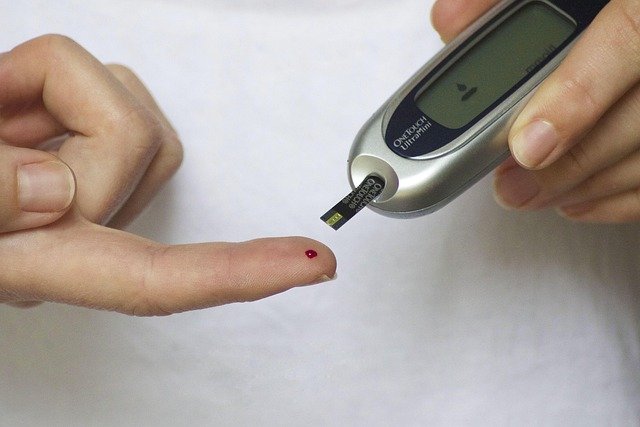
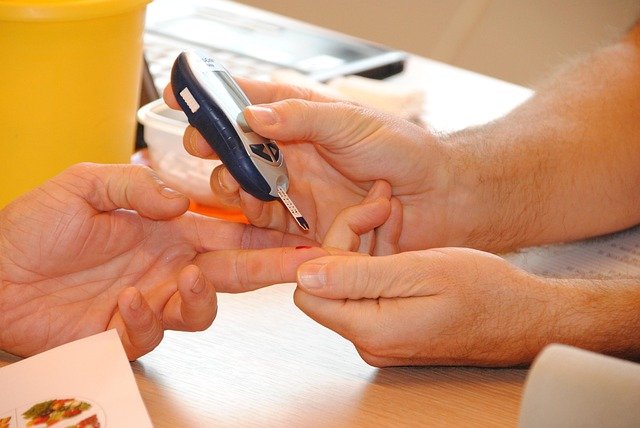
You cannot fix what you do not measure. Monitoring your glucose helps you see exactly which foods cause your personal blood sugar to spike.
You can buy a budget-friendly glucose meter for $20 to $30 at any pharmacy. Use it for just a week or two to learn how your body reacts to different meals.
Track your fasting morning glucose, and test yourself one hour after eating your biggest meals. If you prefer convenience, look into an A1C test at home kit for checking your 90-day average without a doctor’s visit.
15. Don’t Skip Breakfast – But Make It Savory
A sweet breakfast like cereal, toast with jam, or a pastry sets you up for high glucose all day long.
A savory breakfast keeps your blood sugar flat and prevents mid-morning cravings. Try eggs with avocado and a side of vegetables.
If you are rushing out the door, grab some plain Greek yogurt with nuts and a handful of berries instead of a bagel.
Sample 7-Day Meal Plan to Lower A1C Naturally
| Day | Breakfast | Lunch | Dinner | Snack |
|---|---|---|---|---|
| Mon | 2 eggs + spinach + 1 slice whole grain toast | Grilled chicken salad + olive oil dressing | Salmon + roasted broccoli + ½ cup quinoa | Handful almonds |
| Tue | Greek yogurt + chia seeds + berries | Turkey lettuce wraps + avocado | Lentil soup + side salad | Celery + peanut butter |
| Wed | Omelet with mushrooms + peppers | Tuna salad on cucumber slices | Stir-fry tofu + mixed vegetables + brown rice | Hard-boiled egg |
| Thu | Savory oatmeal (egg stirred in) + scallions | Leftover stir-fry | Chicken + cauliflower rice + steamed green beans | Small apple + cheese |
| Fri | Smoothie: protein powder + spinach + flax + unsweetened almond milk | Bean salad + olive oil | Grass-fed beef + roasted Brussels sprouts + sweet potato | Pumpkin seeds |
| Sat | Chia pudding + berries + walnuts | Leftover dinner | Shrimp + zucchini noodles + pesto | Cottage cheese |
| Sun | Frittata + mixed greens | Vegetable soup + side of chicken | Turkey chili + side salad | Dark chocolate (85%+) + walnuts |
Weekly Exercise Plan for A1C Reduction
| Day | Activity | Duration | Timing |
|---|---|---|---|
| Monday | After-meal walk | 15 min | After dinner |
| Tuesday | Strength training (bodyweight) | 20 min | Morning or afternoon |
| Wednesday | After-meal walk | 15 min | After lunch |
| Thursday | Strength training (resistance bands) | 20 min | Any time |
| Friday | After-meal walk | 15 min | After dinner |
| Saturday | Longer walk or hike | 30–45 min | Morning |
| Sunday | Rest or gentle stretching | – | – |
Natural Supplements for Lowering A1C (With Evidence)
Always consult your doctor before starting any supplement. This is especially important if you are on metformin, insulin, or blood thinners.
| Supplement | Expected A1C Reduction | Typical Dose | Best For | Caution |
|---|---|---|---|---|
| Berberine | 0.5–1.0% | 500mg 2–3x daily with meals | Strongest natural option | Can interact with medications |
| Chromium picolinate | 0.2–0.5% | 200–1000 mcg daily | Mild insulin resistance | Generally safe |
| Alpha-lipoic acid (ALA) | 0.3–0.5% | 300–600 mg daily | Neuropathy + A1C reduction | Can lower blood sugar too much |
| Cinnamon | 0.2–0.3% | 1–6g daily | Easy addition | Coumarin risk (use Ceylon) |
| Fenugreek | 0.3–0.6% | 5–10g seeds or 500mg extract | Post-meal spikes | Can cause GI upset |
What to Avoid If You Want to Lower A1C Naturally
If you are serious about getting your numbers down, certain habits need to go. Avoiding the wrong things is just as powerful as adding the right things. The American Diabetes Association lifestyle guidelines strongly recommend cutting out the following triggers.
- Sugary beverages: Soda, sweet tea, fruit juice, and energy drinks are completely off the table.
- Refined grains: Limit your intake of white bread, white rice, regular pasta, and crackers.
- Added sugars: Check your labels and avoid desserts, candy, flavored yogurt, and sweetened breakfast cereal.
- Long periods of sitting: Do not sit at a desk for hours on end. Break up your sitting time every 30 minutes with 2 to 3 minutes of gentle movement.
- Late-night eating: Avoid eating heavy carbs right before bed, as this drastically raises your fasting morning glucose.
- Chronic sleep deprivation: Stop treating sleep as a luxury. Treat 7 to 8 hours of rest as absolutely non-negotiable.
Track Your Progress – What to Measure and When
| Metric | How Often | Target Range | Tool |
|---|---|---|---|
| A1C | Every 90 days | < 5.7% (normal), 5.7–6.4% (prediabetes target) | Lab or home kit |
| Fasting glucose | Weekly | 70–99 mg/dL | Glucose meter |
| Post-meal glucose (1 hour) | Occasional | < 140 mg/dL | Glucose meter |
| Weight | Weekly | Healthy BMI | Scale |
| Waist circumference | Monthly | < 35″ women, < 40″ men | Tape measure |
For a deeper dive into what these numbers actually mean, read our guide on Understanding Your Blood Sugar Test Results.
When Natural Methods Are Not Enough – Red Flags
Sometimes, despite your very best efforts, your body needs extra help. Medication is not a failure on your part; it is a shield that protects your vital organs from permanent damage.
Please see your doctor immediately if you notice any of these warning signs:
- Your A1C remains above 7.0% after three to six months of consistent lifestyle changes.
- Your fasting morning glucose is consistently reading above 140 mg/dL.
- Classic diabetes symptoms return, such as excessive thirst, frequent urination, blurry vision, or deep fatigue.
- You experience unexplained weight loss, which can be a sign of type 1 diabetes or late-stage type 2.
Frequently Asked Questions
Can I lower my A1C from 7.0 to 5.7 naturally?
Yes. Many people achieve this in three to six months. It requires a strict diet, daily exercise, moderate weight loss (5% to 10% of your body weight), and optimizing your stress and sleep.
How much can exercise lower A1C?
Regular exercise, roughly 150 minutes weekly, lowers A1C by 0.5% to 1.0% on average. Walking alone helps immensely, but adding strength training will double the beneficial effect.
Does intermittent fasting lower A1C?
Yes, it does. Keeping an 8 to 10-hour eating window lowers A1C by 0.5% to 1.0% in about 12 weeks, and this happens independent of any weight loss.
How long does it take to see A1C results from diet changes?
You need to wait at least 60 days because of the red blood cell lifespan. Testing every 90 days gives you the most accurate trend data.
Can stress alone raise A1C?
Absolutely. Chronic stress elevates your cortisol levels. This directly raises your blood glucose and can increase your A1C by 0.3% to 0.5%, even if your diet is completely perfect.
Is keto the best diet for lowering A1C?
Keto does lower A1C quickly, but it is notoriously hard for most people to sustain long-term. A Mediterranean or low-glycemic diet is much more sustainable and nearly as effective for the average person.
What is the single fastest way to lower A1C?
Walk for 15 minutes after every single meal and eliminate sugary drinks. Doing just these two things can lower your A1C by 0.5% to 1.0% in three months.
Final Verdict – Is Lowering A1C Naturally Realistic for You?
So, can you really do this naturally? For most people, the answer is a resounding yes.
You are a great candidate for a purely natural approach if you fall into the prediabetes range (5.7% to 6.4%) or have early type 2 diabetes (6.5% to 7.5%). It is also highly effective if you are recently diagnosed, have no major diabetes complications yet, and are truly motivated to change your daily habits.
However, you will likely need medication support if your A1C is over 8.5% at diagnosis. Medication is also usually required if you have had diabetes for more than 10 years, are already on multiple medications, or have a strong genetic component keeping your numbers high despite a perfect lifestyle.
The bottom line? Natural methods work wonders for the vast majority of people with prediabetes and early diabetes. Give these 15 strategies your full effort for 90 days. Get tested again, and let your actual lab data guide your next step. You have got this.