Many serious health conditions show absolutely no early symptoms. You might feel perfectly fine while high blood pressure or high cholesterol silently affects your body. This is why waiting until you feel sick to visit a doctor is a risky approach to your well-being.
Preventive health testing completely changes this dynamic. It allows you to look inside your body and catch potential issues long before they cause physical symptoms. Think of it like a regular maintenance check for your car, but far more important.
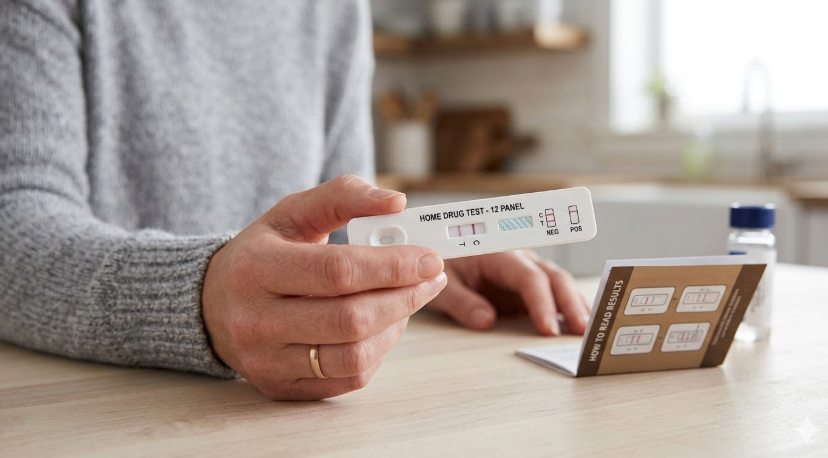
Some modern screening methods, such as saliva testing, offer a simple and non-invasive way to detect certain conditions early.
In this guide, you will learn exactly which tests you need and when to get them. We will cover the most common routine medical tests for adults, the reliability of at-home health test kits, and how early detection gives you the best chance at a long, healthy life.
What Is Preventive Health Testing?
Preventive health testing involves medical tests given to people who currently feel healthy and have no symptoms. The goal is simple. These tests find hidden health problems early on, when they are easiest to treat or cure.
It helps to understand the difference between preventive testing and diagnostic testing. A preventive test is something you do routinely, like a yearly blood pressure check. A diagnostic test happens when you already have symptoms, like getting an X-ray because your chest hurts.
Catching disease early matters because it gives you time. Time means you have more treatment options and a much better chance of a full recovery.
Why Early Disease Detection Can Save Your Life
Detecting a disease before symptoms appear is often the key to beating it. Early disease detection tests can literally save your life. When doctors find conditions like cancer or heart disease early, treatments are generally less invasive and much more successful.
Better treatment outcomes are not the only benefit. Catching a disease early also lowers your healthcare costs significantly. Paying for a simple screening test now is much cheaper than paying for a complex surgery or prolonged hospital stay later.
According to the Centers for Disease Control and Prevention (CDC), chronic diseases account for the vast majority of healthcare costs. Regular screening helps prevent these chronic diseases from progressing to advanced stages.
Who Should Get Preventive Health Screening?
Everyone needs preventive screening, but your specific needs change as you age. A good health checkup test list looks different for a 25-year-old than it does for a 55-year-old.
In your 20s, the focus is on establishing a baseline for your health. Doctors will check your blood pressure, weight, and basic blood markers.
During your 30s, stress and lifestyle habits often catch up with you. You might need more specific cholesterol and blood sugar monitoring.
Once you reach 40 and beyond, your risk for certain diseases increases. This is when regular cancer screenings and comprehensive heart checks become essential.
Your age is not the only factor. Your risk factors also determine your testing schedule. A strong family history of a specific disease means you should start screening earlier. Your lifestyle, including your diet, smoking habits, and daily stress levels, also plays a massive role in what tests you need.
Essential Preventive Health Tests for Early Detection
Blood Tests
A routine blood draw tells a comprehensive story about your overall health. A Complete Blood Count (CBC) checks for infections, anemia, and other blood disorders.
Doctors also look closely at your blood sugar levels to check for prediabetes or diabetes. Finally, a lipid panel measures your cholesterol to assess your risk for heart disease. You can learn more about comprehensive blood tests to understand what your results mean.
Cancer Screening Tests
Cancer is highly treatable when caught early. Women should undergo regular mammograms to check for breast cancer and Pap smears to screen for cervical cancer.
For both men and women, colon cancer screening is crucial, usually starting at age 45. These preventive screening tests are some of the most important appointments you can make.
Heart Health Tests
Your heart works hard, and it needs regular monitoring. Checking your blood pressure is a quick, painless test that should happen at every doctor’s visit.
An electrocardiogram (ECG) measures the electrical activity of your heart to find irregular rhythms. Combined with your lipid profile, these tests give a clear picture of your cardiovascular health.
Hormone & Thyroid Tests
Hormones control everything from your energy levels to your mood. Thyroid function tests check if your body is producing too much or too little thyroid hormone.
Doctors can also check for specific hormonal imbalance markers. If you feel constantly tired or notice unexplained weight changes, it might be time to look into hormone tests.
Vitamin & Nutrient Testing
Vitamin deficiencies are incredibly common and can cause severe fatigue and immune issues. Vitamin D testing is vital, especially if you spend most of your time indoors.
Iron and Vitamin B12 levels are also crucial for your energy and brain health. Regular vitamin tests ensure your body has the fuel it needs to function properly.
At-Home Preventive Health Testing: Is It Reliable?
The popularity of at-home health test kits has skyrocketed recently. These kits are incredibly convenient. You can collect a small blood or saliva sample in the privacy of your own bathroom and mail it to a lab.
They offer a great starting point for people who are anxious about visiting a clinic. However, they do have limitations compared to traditional lab testing. Sometimes the sample size is too small, or user error during collection can skew the results.
Use at-home kits for general monitoring, like checking your Vitamin D or food sensitivities. If an at-home kit flags a serious issue, always follow up with a doctor for traditional lab testing.
How Often Should You Get Preventive Tests?
Most doctors recommend an annual health screening to stay on top of your well-being. However, the exact frequency of specific tests depends heavily on your age and personal risk level.
Here is a simple table to help you understand common testing timelines:
| Age Group | Recommended Tests | Frequency |
|---|---|---|
| 20s to 30s | Blood pressure, basic blood panel | Every 1-2 years |
| 40s | Cholesterol, blood sugar, baseline mammogram | Annually |
| 50s and older | Colonoscopy, comprehensive heart/cancer screens | Varies by test (1-10 years) |
Signs You Should NOT Ignore (Even with Testing)
Even if you just had a perfect health screening, you must listen to your body. Preventive tests are excellent, but they do not catch everything.
Never ignore severe, unrelenting fatigue that does not improve with rest. Unexplained weight loss is another major red flag that requires immediate medical attention.
Persistent pain anywhere in your body is a signal that something is wrong. Always encourage a medical consultation if you experience sudden or frightening symptoms.
How to Choose the Right Preventive Health Tests
Work with your doctor to build a testing plan that fits you. Choose tests based on your age, your gender, and your specific health goals.
Be open with your healthcare provider about your family history. This helps them recommend the right screening at the right time. Avoid unnecessary testing, as getting too many scans can lead to false positives and unnecessary anxiety.
Cost of Preventive Health Testing
The cost of testing varies widely based on your insurance and location. Basic blood panels at a local clinic might cost anywhere from $20 to $100 out of pocket.
More complex imaging, like MRIs or specialized cancer screenings, can cost hundreds or thousands of dollars without insurance. At-home kits usually range from $50 to $200. Always check with your insurance provider, as many preventive screenings are covered at 100% under modern health plans.
Tips to Maximize the Benefits of Health Screening
A test result is only helpful if you use the information. Keep a personal record and track your results over time. Watching your cholesterol slowly creep up over three years gives you a chance to intervene early.
Combine your testing strategy with a healthy lifestyle. Good nutrition and daily movement are the best preventive medicines available. Always follow up with your doctor to discuss your results and create an action plan.
Common Mistakes to Avoid
One common mistake is testing too often. Getting full blood panels every single month usually causes unnecessary stress without offering real clinical value.
Another major mistake is ignoring your results. If a test shows you have high blood sugar, you must take steps to address it. Finally, avoid self-diagnosing using internet searches. Always let a qualified medical professional interpret your complex lab results.
FAQ Section
What is preventive health testing?
Preventive health testing involves medical tests and screenings performed when you are healthy. The goal is to detect potential illnesses early, before you show any symptoms.
When should I start health screening?
You should start basic health screenings in your 20s. This helps establish a healthy baseline for your blood pressure, weight, and general blood markers.
Are home test kits accurate?
Yes, reputable at-home test kits are highly accurate for tracking general wellness markers like vitamins and cholesterol. However, any abnormal result should always be verified by a doctor.
How often should I get tested?
Most adults benefit from a basic annual health screening. Specific tests, like colonoscopies or mammograms, have different schedules based on your age and risk factors.
Which tests detect diseases early?
Tests like mammograms, Pap smears, colonoscopies, and basic blood panels (CBC and lipid profiles) are highly effective at detecting cancer and heart disease early.
Take Charge of Your Health Today
Early detection is the most powerful tool you have for living a long, healthy life. By prioritizing preventive health testing, you take the guesswork out of your well-being. You give yourself the gift of time, knowledge, and peace of mind.
Do not wait until you feel unwell to start caring for your body. Take a proactive approach to your health habits today. Schedule an appointment with your healthcare provider to discuss which early disease detection tests make the most sense for you.