Unexplained bloating, skin problems, or constant fatigue? It could be an allergy.
Many people ignore these signs, but they’re often your body reacting to something you eat or breathe. At-home allergy test kits offer a simple way to start finding answers—without leaving your house.
But do they actually work?
In this guide, you’ll discover the best at-home allergy test kits in 2026, how accurate they are, and how to choose the right one for you.
What Are At-Home Allergy Test Kits?
At-home allergy test kits are simple health tools shipped directly to your door. They allow you to collect a small sample of blood, saliva, or hair to check how your immune system reacts to specific triggers.
Most kits focus on three main categories. First, they check for food triggers like dairy, wheat, or nuts.
Second, they look for environmental allergens, such as pollen or mold. Finally, many kits test for indoor triggers like pet dander and dust mites.
How Do At-Home Allergy Tests Work?
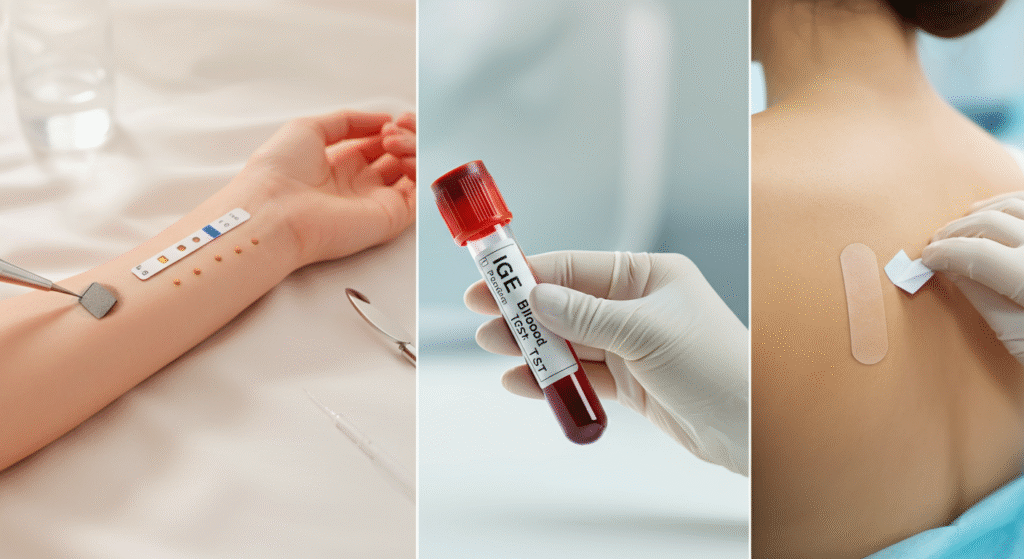
Testing at home is surprisingly easy. Most traditional allergy tests require a small finger-prick blood sample. Some companies offer saliva tests or hair tests, though blood tests remain the standard for measuring your immune response.
Once you collect your sample, you mail it back to a certified lab using a prepaid envelope. The lab technicians then measure your sample against various allergens to see if your body produces antibodies—the proteins that cause allergic reactions.
The waiting game is usually short. Most companies provide secure digital results within a few days to a couple of weeks after the lab receives your sample.
Allergy testing options for various categories and testsBest At-Home Allergy Test Kits (Top Picks)
Here are the best test kits available right now, broken down by what they do best.
Best Overall Allergy Test Kit
The Everlywell Indoor & Outdoor Allergy Test is our top choice for reliable, well-rounded testing. It measures your body’s Immunoglobulin E (IgE)—the specific antibody linked to true allergic reactions.
Features: Tests for 40 common allergens, including pets, trees, and dust.
Pros: Uses CLIA-certified labs; clear digital results; physician-reviewed.
Cons: Does not test for food allergies.
Who it’s for: Anyone suffering from a runny nose, itchy eyes, or seasonal sneezing.
Best for Food Sensitivity
If your stomach is constantly upset, the YorkTest Premium Food Sensitivity Test is highly rated. Keep in mind that these sensitivity tests (digestive discomfort) are not for true, life-threatening food allergies.
Features: Tests for over 200 food and drink ingredients.
Pros: Very comprehensive; includes a 30-minute consultation with a nutritional therapist.
Cons: More expensive than basic kits.
Who it’s for: People dealing with bloating, fatigue, or mild skin breakouts after eating.
Best Budget Option
The PrimeMyBody Allergy Screen is a highly affordable entry point. It covers the absolute basics without breaking the bank.
Features: Tests for 15 of the most common environmental and food triggers.
Pros: Very affordable; fast shipping.
Cons: Limited testing range.
Who it’s for: Budget-conscious shoppers who want a quick baseline screening.
Best for Quick Results
If you hate waiting, the MyLab Box Health & Allergy panel offers incredibly fast turnaround times.
Features: Tests for a mix of 30 common foods and inhalants.
Pros: Results are often ready in 2 to 5 days; free two-way shipping.
Cons: The finger-prick tool can be a bit tricky to use.
Who it’s for: Busy individuals who want answers as quickly as possible.
Best for Comprehensive Testing
For the most detailed picture of your health, the 5Strands Comprehensive Test is incredibly popular. It uses a hair sample instead of blood.
Features: Tests for over 800 items, including foods, environmental triggers, and nutritional imbalances.
Pros: Pain-free hair collection; massive testing database.
Cons: Hair testing uses bioresonance technology, which is not widely accepted by traditional medical doctors for diagnosing allergies.
Who it’s for: People terrified of needles who want to explore holistic wellness triggers.
What Allergies Can These Kits Detect?
At-home kits can detect a wide variety of triggers, but it helps to know what you are looking for. Many kits detect food intolerances, which happen when your digestive system struggles to break down certain foods.
Other kits focus on environmental allergens. These include the pollen in your yard, the dust under your bed, and the dander from your golden retriever.
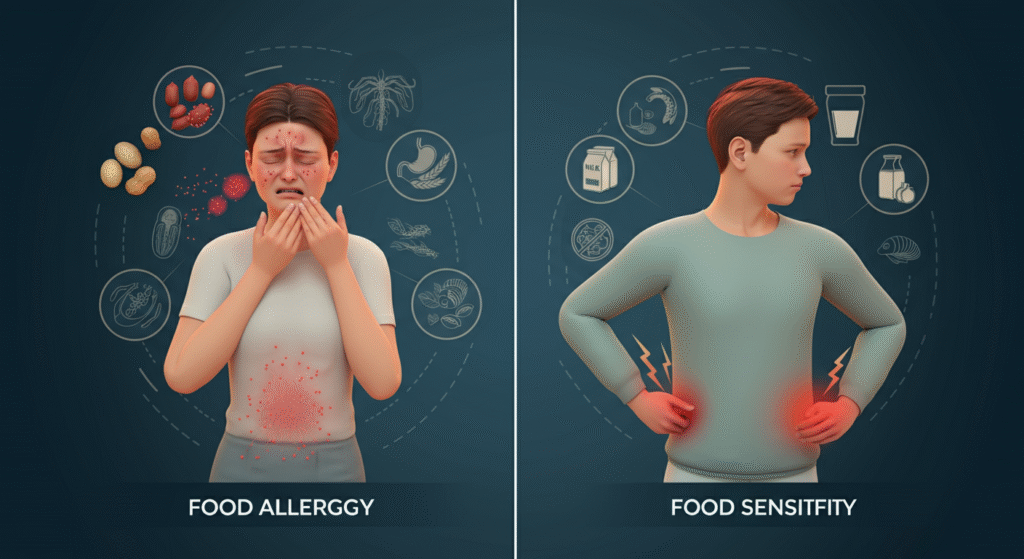
It is vital to understand the difference between a sensitivity and a true allergy. A true allergy involves your immune system and can cause immediate, dangerous reactions, while a sensitivity usually causes delayed, uncomfortable digestive or skin issues.
Are At-Home Allergy Test Kits Accurate?
This is the most common question we hear, and the answer requires a bit of nuance. Blood-based kits that test for IgE antibodies are generally very accurate and use the same lab technology as your doctor.
However, tests that look for IgG (a different type of antibody linked to sensitivities) or use hair samples have limitations. Many medical professionals point out that IgG simply shows you have eaten a food recently, not necessarily that you are allergic to it.
Because of these limitations, at-home tests are best used as a starting point. If your results show a major red flag, always confirm them with a healthcare provider.
At-Home Allergy Tests vs Lab Tests
How do these convenient boxes stack up against a trip to the doctor? Let’s look at the breakdown.
| Feature | At-Home Test Kits | Doctor’s Office Lab Tests |
|---|---|---|
| Accuracy | Good for screening; some methods lack scientific backing. | Highly accurate; gold standard (skin prick or blood tests). |
| Cost | Usually $100 – $300 out of pocket. | Varies widely; often covered by health insurance. |
| Convenience | Excellent. Done from your couch on your schedule. | Requires scheduling, travel, and waiting rooms. |
If you want the most accurate results possible, an alternative to at-home kits is using a professional lab test through HealthLabs.com
Unlike mail-in kits, this option allows you to order your test online and then visit a certified lab near you for a proper blood draw—giving you clinical-grade accuracy.
Who Should Use At-Home Allergy Test Kits?
These kits are a fantastic tool for people experiencing mild, chronic symptoms like a stubborn runny nose or occasional bloating. They offer great clues for those looking for an initial screening before overhauling their diet.
They are also perfect for busy individuals. If you simply do not have the time to schedule an allergist appointment right now, a home kit can point you in the right direction.
When You Should NOT Rely on Home Allergy Tests
At-home tests are not for everyone. If you experience severe reactions like swelling of the throat or difficulty breathing, you need immediate medical attention.
These kits should never be used if there is a risk of anaphylaxis—a severe, life-threatening allergic reaction. Always trust a medical doctor for a formal diagnosis of severe allergies.
How to Choose the Best At-Home Allergy Test Kit
Finding the right kit comes down to matching the test to your specific symptoms. First, check the number of allergens tested to ensure it covers your suspected triggers.
Next, look for lab quality. You want a company that uses CLIA-certified labs, which means they meet strict federal quality standards.
Finally, consider the price and customer support. The best companies offer clear result breakdowns and even consultations to help you understand your data.
Common Mistakes to Avoid
The biggest mistake people make is confusing a food intolerance with a true food allergy. Remember, an upset stomach after drinking milk is an intolerance, while breaking out in hives is an allergy.
Another common error is misreading the results. A high marker on a sensitivity test does not always mean you have to banish that food forever.
This leads to the danger of over-restricting your diet. Cutting out dozens of foods based on one test can lead to nutritional deficiencies, so always make dietary changes gradually and carefully.
Frequently Asked Questions (FAQ)
Are at-home allergy test kits accurate?
Blood tests that measure IgE antibodies are very reliable and use standard clinical methods. Hair tests and IgG sensitivity tests are less scientifically proven but can still offer helpful lifestyle clues.
What is the best allergy test kit?
For environmental allergies, the Everlywell Indoor & Outdoor test is our top recommendation due to its clinical accuracy and easy-to-read results.
Can these tests detect food allergies?
Yes, some blood-based kits can detect IgE food allergies. However, many popular kits on the market actually test for food sensitivities, which are digestive issues, not true allergies.
How long do results take?
Most reputable companies process your sample quickly. You can generally expect to view your digital results within 3 to 7 business days after the lab receives your package.
Are they approved by doctors?
Many kits are reviewed by independent physicians, and the labs they use are federally certified. However, allergists still prefer in-office testing for formal medical diagnoses.
Taking Control of Your Health
Dealing with mysterious health symptoms can feel overwhelming, but you do not have to figure it out entirely in the dark. At-home allergy test kits offer a private, convenient way to start gathering clues about your body.
While they have a few limitations and shouldn’t replace a doctor for severe reactions, they are a fantastic first step for mild, frustrating symptoms. Knowledge is power when it comes to feeling your best.
If you are tired of guessing what is making you feel sluggish or sneezy, consider trying one of our recommended kits today. It might just be the key to finally finding relief.