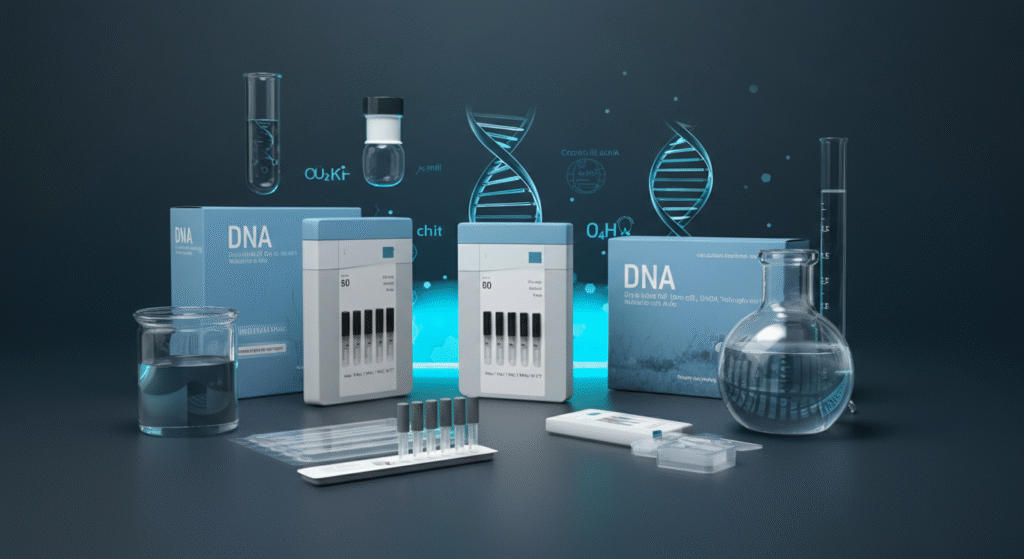
TL;DR: Yes, you can do a DNA test while pregnant. The safest and most common method is a Non-Invasive Prenatal Paternity (NIPP) test, which uses a simple blood draw from the mother and a cheek swab from the potential father. It can be done as early as seven weeks into pregnancy.
Waiting for a baby to arrive is stressful enough. But what if you also have questions about paternity?
You might be wondering if you have to wait nine long months to get answers. The short answer is no. Science has come a long way, and you now have safe, accurate options long before your due date.
Let’s walk through exactly how prenatal DNA testing works, what your options are, and what you should consider before making a decision.
Yes — Prenatal Paternity Testing Is Possible
You absolutely can establish paternity before a baby is born. In the past, this meant undergoing risky medical procedures. Today, it’s much simpler.
During pregnancy, a small amount of the baby’s DNA crosses over into the mother’s bloodstream. By drawing the mother’s blood, scientists can isolate that fetal DNA.
Once they have the baby’s genetic markers, they simply compare them to the potential father’s DNA. This test is usually requested by parents wanting peace of mind, or for legal reasons like setting up child support early.
What Types of Prenatal DNA Tests Are Available?
If you’re looking into prenatal testing, you generally have three main options. Here is how they break down.
Non-Invasive Prenatal Paternity Test (NIPP)
This is the most popular choice. Why? Because it’s completely safe for both mom and baby.
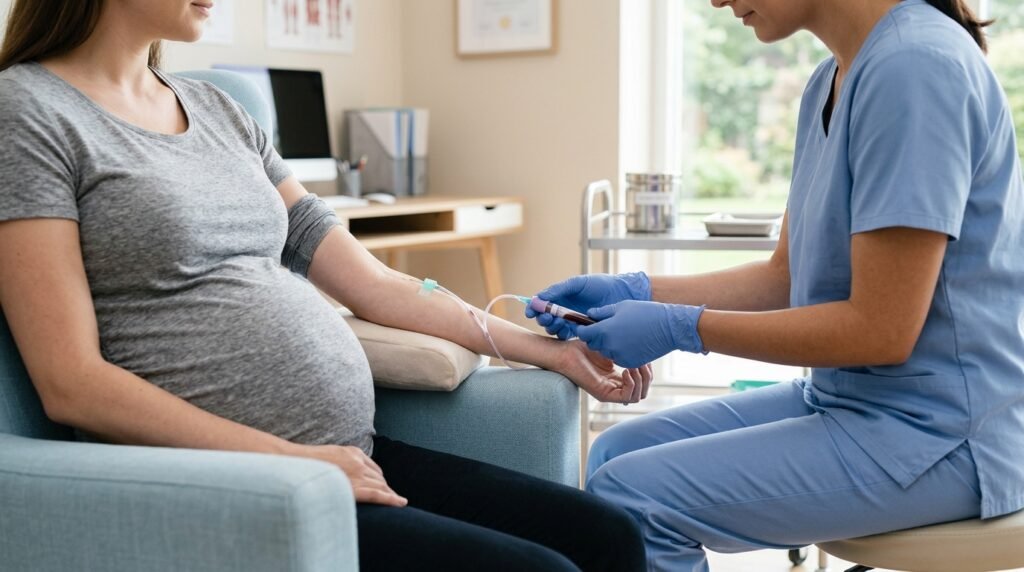
A medical professional just takes a standard blood draw from the mother’s arm. The potential father provides a simple cheek swab. There are no needles near the baby, meaning zero risk of miscarriage.
Amniocentesis-Based DNA Testing
Amniocentesis is an invasive medical procedure. A doctor inserts a long, thin needle through the mother’s belly into the uterus to collect amniotic fluid.
Because this fluid surrounds the baby, it contains the baby’s DNA. Doctors usually only perform amniocentesis to check for genetic disorders, not just for paternity, due to the slight risk of pregnancy complications.
Chorionic Villus Sampling (CVS)-Based Testing
Similar to amniocentesis, CVS is an invasive procedure. A doctor collects a tiny tissue sample from the placenta, either through the cervix or the abdomen.
The placenta has the same genetic makeup as the baby. Like amniocentesis, CVS carries a small risk of miscarriage and is rarely done solely for paternity reasons.
How Early Can You Test During Pregnancy?
You don’t have to wait until the third trimester to get answers. But the timeline depends on which test you choose.
When to Take a Non-Invasive (NIPP) Test
You can take a blood-based NIPP test very early. Most labs offer it starting between 7 and 9 weeks of pregnancy.
By this time, enough of the baby’s DNA is floating in the mother’s bloodstream to get a clear reading.
When to Take a CVS Test
If a doctor recommends CVS for medical reasons, it usually happens between 10 and 13 weeks of pregnancy.
When to Take an Amniocentesis Test
Amniocentesis is typically performed a bit later in the second trimester. Doctors generally schedule this procedure between 15 and 20 weeks of pregnancy.
How Accurate Are Prenatal Paternity Tests?
You want answers you can trust. Fortunately, modern prenatal DNA tests are highly accurate.
The non-invasive blood test (NIPP) boasts an accuracy rate of 99.9% or higher. CVS and amniocentesis are also 99.9% accurate for determining paternity.
Are there any catches? Yes. A test might be inconclusive if you take it too early in the pregnancy before enough fetal DNA is present. Also, if the mother recently had a blood transfusion or a previous miscarriage, it could potentially affect the fetal DNA readings.
Is Prenatal DNA Testing Safe?
Safety is usually the biggest concern for expecting mothers.
This is exactly why the non-invasive blood test (NIPP) is the preferred method today. Drawing blood from the mother’s arm poses absolutely no risk to the baby.
On the other hand, invasive methods like CVS and amniocentesis do carry risks. Both procedures have a slight chance of causing a miscarriage (usually less than 1%). Because of this, doctors rarely perform them unless there is a medical need to check the baby’s health.
What Do You Need for the Test?
Getting the test done is remarkably straightforward.
For a non-invasive test, you just need a blood sample from the mother. The potential father needs to provide his DNA, which is almost always a quick, painless cheek swab.
You also have to decide between an at-home kit and a legal test. At-home kits let you collect the father’s swab yourself and mail it in. If you need the results for court, you must do a legal test where an independent clinic collects the samples to prove nobody tampered with them.
How Much Does Prenatal Paternity Testing Cost?
Prenatal DNA testing involves complex lab work, so it isn’t cheap.
A non-invasive prenatal paternity test generally costs between $1,000 and $2,000. Prices vary depending on the lab and whether you need legally admissible results.
Will your insurance cover it? Probably not. Health insurance rarely covers paternity testing because it isn’t considered a medical necessity.
What Are the Legal Considerations?
If you need the test results for child custody, child support, or changing a birth certificate, an at-home kit won’t work.
Courts require a strict “chain of custody.” This means a neutral third party, like a clinic or a lab technician, must verify your identities, collect the DNA, and handle the samples directly.
Always check with a family lawyer in your state if you aren’t sure which type of test you need.
Alternatives: Waiting Until After Birth
If the high cost of a prenatal test is an issue, you always have the option to wait.
Postnatal DNA testing (after the baby is born) is much cheaper. A standard postnatal paternity test usually costs between $100 and $300. It simply requires a gentle cheek swab from the newborn and the father.
The obvious downside is the emotional toll of waiting. However, saving thousands of dollars makes waiting the best option for many families.
Frequently Asked Questions (FAQs)
Can I do a DNA test at home while pregnant?
Yes, you can order non-invasive prenatal paternity kits online. You will need to visit a local clinic to have the mother’s blood drawn, but the potential father can usually do his cheek swab at home. Keep in mind that at-home test results are not admissible in court.
Does the prenatal DNA test harm the baby?
The non-invasive blood test (NIPP) is completely safe and poses zero risk of harm to the baby. Invasive tests like amniocentesis and CVS do carry a small risk of miscarriage and infection.
How long does it take to get prenatal paternity test results?
Once the lab receives the DNA samples, it typically takes about 3 to 7 business days to process the results. Some labs offer expedited processing for an additional fee.
Can prenatal DNA tests also reveal the baby’s sex or health conditions?
Yes. Because the lab is analyzing the baby’s DNA, they can easily determine the baby’s sex. Some extensive blood tests can also screen for genetic conditions like Down syndrome, though these are separate medical tests ordered by your doctor.
Making the Right Choice for Your Family
Deciding to get a paternity test while pregnant is a deeply personal choice.
If peace of mind is your top priority and budget allows, a non-invasive blood test is a safe and accurate solution. If costs are a concern, waiting until after the baby is born is a perfectly valid alternative. Take your time, weigh the costs, and choose the path that makes the most sense for your situation.
Related Posts: Free DNA Test During Pregnancy