Do you find yourself feeling constantly tired, especially during the darker winter months? Maybe you’re dealing with a general sense of sluggishness that a good night’s sleep can’t seem to fix. If this sounds familiar, you might be dealing with something more than just the winter blues. It could be a sign of a deficiency in Vitamin D, often called the “sunshine vitamin.”
Vitamin D plays a critical role in your overall well-being, influencing everything from bone health and immune function to mood regulation. Yet, many people have low levels of this essential vitamin without even realizing it, which can lead to a variety of health issues over time. If you suspect you might be lacking in Vitamin D, a simple at-home test can provide valuable insights.
This guide will walk you through the importance of Vitamin D, the signs of a deficiency, and how an at-home Vitamin D test works. By the end, you’ll have a clearer understanding of your health and the steps you can take to feel your best.
What is Vitamin D and Why Do You Need It?
Vitamin D is a fat-soluble vitamin that acts more like a hormone in your body, regulating many vital functions. One of its most important jobs is to help your body absorb calcium and phosphorus, two minerals that are essential for building and maintaining strong bones. Without enough Vitamin D, your body can’t effectively absorb calcium, which can lead to brittle bones and an increased risk of fractures.
Beyond bone health, Vitamin D also supports your immune system, helping it fight off viruses and bacteria that cause illness. It plays a role in muscle function and can even influence your mood. It’s no surprise, then, that a deficiency can have a widespread impact on your health. In fact, it’s estimated that nearly 1 billion people worldwide may have a Vitamin D deficiency, making it a significant global health issue.
The three primary sources of Vitamin D are sunlight exposure, certain foods, and supplements. Your skin produces Vitamin D when it’s exposed to ultraviolet (UV) rays from the sun. You can also get it from foods like fatty fish (salmon, mackerel), fortified milk, and egg yolks, but it can be challenging to get enough from diet alone.
Are You at Risk for Vitamin D Deficiency?
Because the symptoms of a Vitamin D deficiency can be subtle and non-specific, they are often overlooked. However, being aware of the common signs can help you identify a potential problem early on.
Common Symptoms
- Persistent Fatigue: Feeling tired all the time, even with adequate rest.
- Bone and Back Pain: Aching bones, particularly in the lower back.
- Muscle Weakness: A noticeable decrease in muscle strength.
- Mood Changes: Experiencing symptoms of depression or seasonal affective disorder (SAD).
- Frequent Illnesses: Getting sick often, especially with colds or the flu.
- Hair Loss: Severe hair loss can sometimes be linked to low Vitamin D.
Key Risk Factors
Certain factors can increase your likelihood of developing a Vitamin D deficiency:
- Limited Sun Exposure: Living in a region with little sunlight, working indoors, or consistently using sunscreen can limit Vitamin D production.
- Darker Skin Tones: Higher levels of melanin in the skin reduce the body’s ability to produce Vitamin D from sunlight.
- Older Age: As you age, your skin becomes less efficient at producing Vitamin D.
- Obesity: Vitamin D can be trapped in fat cells, making it less available to the body.
- Certain Medical Conditions: Conditions like Crohn’s disease, celiac disease, and kidney or liver disease can affect Vitamin D absorption.
The Rise of the At-Home Vitamin D Test Kit
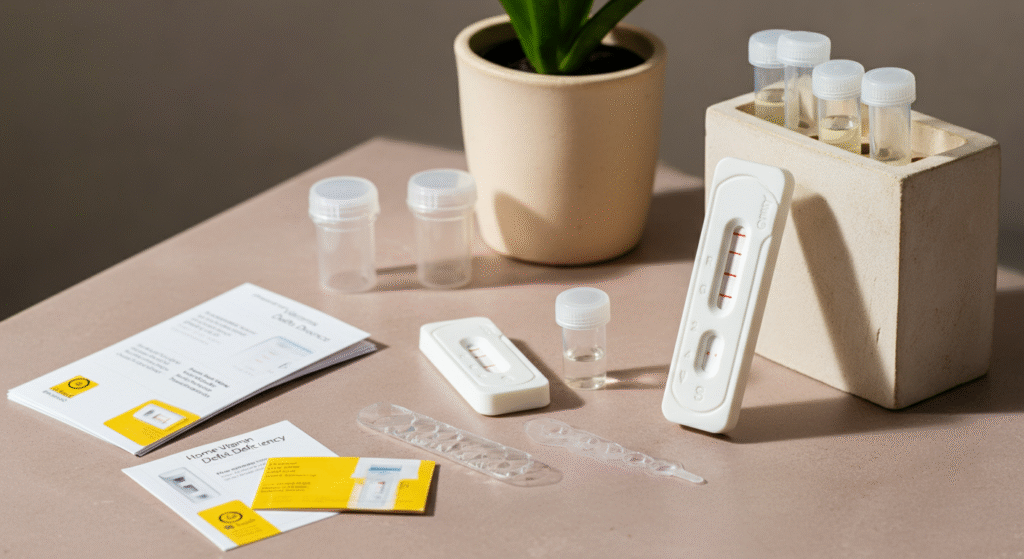
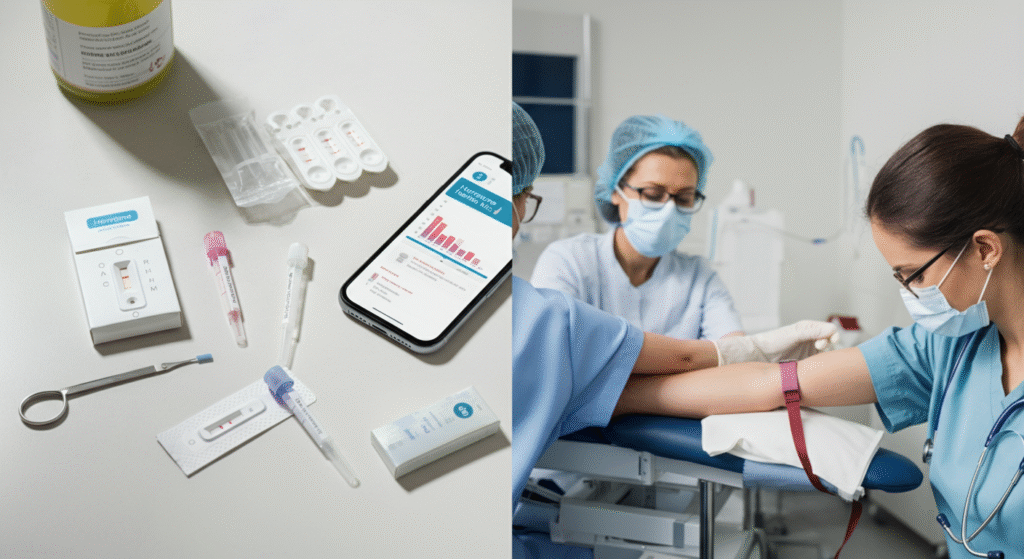
In the past, checking your Vitamin D levels required a visit to the doctor for a blood test. Today, at-home Vitamin D test kits offer a convenient and accessible alternative. These kits allow you to collect a small blood sample from the comfort of your home and send it to a certified lab for analysis.
The benefits of using an at-home test are clear:
- Convenience: You can perform the test on your own schedule, without needing to book an appointment or travel to a clinic.
- Privacy: Your results are delivered discreetly, allowing you to manage your health information privately.
- Proactive Health Management: Monitoring your levels empowers you to take control of your health and make informed decisions about your lifestyle and diet.
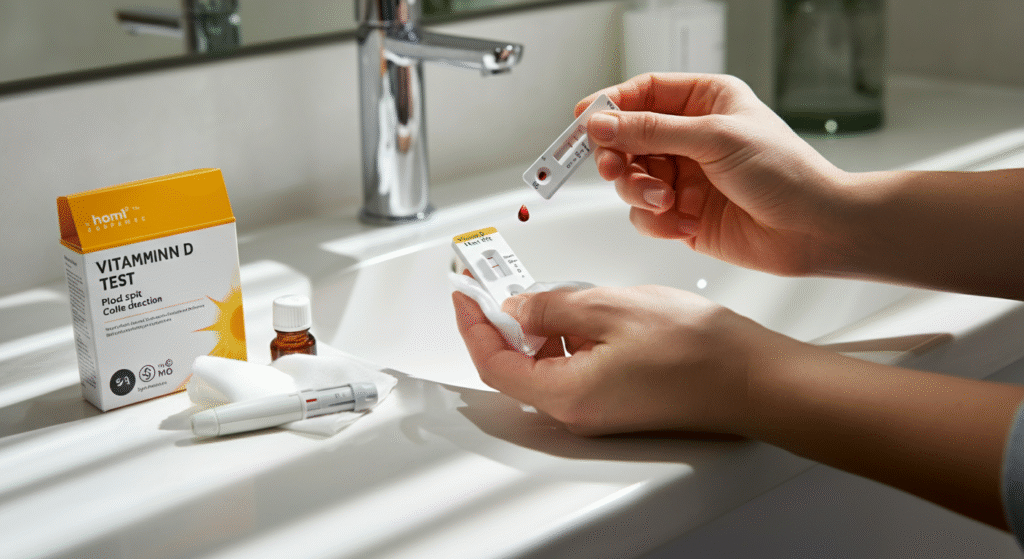
The process is straightforward. After ordering your kit, you’ll use a small lancet to prick your finger and collect a few drops of blood on a collection card. You then mail the sample to the designated lab in the provided prepaid envelope and receive your results online within a few days.
How to Interpret Your Vitamin D Test Results
Once you receive your results, you’ll see your Vitamin D level, typically measured in nanograms per milliliter (ng/mL). These levels are generally categorized as follows:
- Deficient: Below 20 ng/mL
- Insufficient: 21-29 ng/mL
- Sufficient: 30-100 ng/mL
While these ranges provide a good general guideline, it’s important to remember that they are a starting point. For a formal diagnosis and a personalized treatment plan, you should always discuss your results with a healthcare professional.
Simple Steps to Boost Your Vitamin D Levels
If your test shows that your levels are low, there are several effective ways to boost them.
Get More Sun
Aim for 10-30 minutes of midday sun exposure on your arms, legs, and face several times a week, without sunscreen. The exact amount of time you need depends on your skin tone, location, and the time of year. Be mindful to avoid sunburn.
Eat Vitamin D-Rich Foods
Incorporate more Vitamin D-rich foods into your diet. Excellent sources include:
- Fatty fish like salmon, mackerel, and herring
- Fortified milk, yogurt, and orange juice
- Fortified cereals
- Egg yolks
- Cod liver oil
Consider Supplements
If your levels are significantly low, your doctor may recommend a Vitamin D supplement. It’s crucial to consult with a healthcare provider before starting any supplements to determine the appropriate dosage for your needs, as taking too much can be harmful.
When Should You See a Doctor?
While an at-home Vitamin D test is an excellent screening tool, it does not replace professional medical advice. It’s important to consult a healthcare provider if:
- Your test results show a significant deficiency.
- You are experiencing severe or persistent symptoms.
- You have underlying health conditions that might affect or be affected by your Vitamin D levels.
A doctor can provide a comprehensive evaluation, confirm the diagnosis, and recommend the most effective treatment plan for you.
Take Control of Your Health Today
Understanding your Vitamin D status is a powerful step toward better health. From improving your energy levels to strengthening your immune system, ensuring you have enough of the “sunshine vitamin” can make a real difference in your daily life. The signs of a Vitamin D deficiency are common, but with the convenience of an at-home Vitamin D test, you can easily monitor your levels and take proactive steps.