Do you find yourself dragging through the day, feeling a heaviness that sleep just doesn’t fix? Maybe you seem to catch every cold that goes around, or your mood has taken a dip that you can’t quite explain. While it’s easy to brush these feelings off as just the “winter blues” or the result of a busy schedule, your body might be trying to tell you something more specific.
Enter Vitamin D, often called the “sunshine vitamin.” It’s not just a nice-to-have nutrient; it is a powerhouse hormone that plays a critical role in keeping your bones strong, your immune system fighting fit, and your mood stable.
Despite its importance, Vitamin D deficiency is surprisingly common. We typically get it from direct sunlight on our skin and certain foods, but modern lifestyles often keep us indoors, and dietary sources aren’t always enough. For many, popping a daily pill or trying to catch some rays isn’t sufficient to get their levels back to normal.
This guide explores Vitamin D injections—a potent alternative that is gaining attention. We will break down what they are, how they work, and help you understand if they might be the missing piece in your health puzzle.
What are the Symptoms of Vitamin D Deficiency?
Recognizing a Vitamin D deficiency can be tricky because the symptoms are often subtle and non-specific. You might not realize that your fatigue or aches are connected to your vitamin levels until you look at the bigger picture.
Here are some common signs that your levels might be low:
- Fatigue and General Tiredness: Feeling exhausted even after a good night’s sleep is a hallmark sign.
- Frequent Illnesses: If you seem to catch every virus that circulates, your immune system might lack the Vitamin D it needs to function correctly.
- Bone and Back Pain: Vitamin D is essential for bone health; without it, you might experience deep, aching pain in your bones or lower back.
- Depression or Low Mood: There is a well-documented link between low Vitamin D levels and mood disorders, including seasonal affective disorder (SAD).
- Impaired Wound Healing: If cuts or scrapes take longer than usual to heal, it could signal a deficiency.
- Hair Loss: Severe hair loss is sometimes associated with nutrient deficiencies, including Vitamin D.
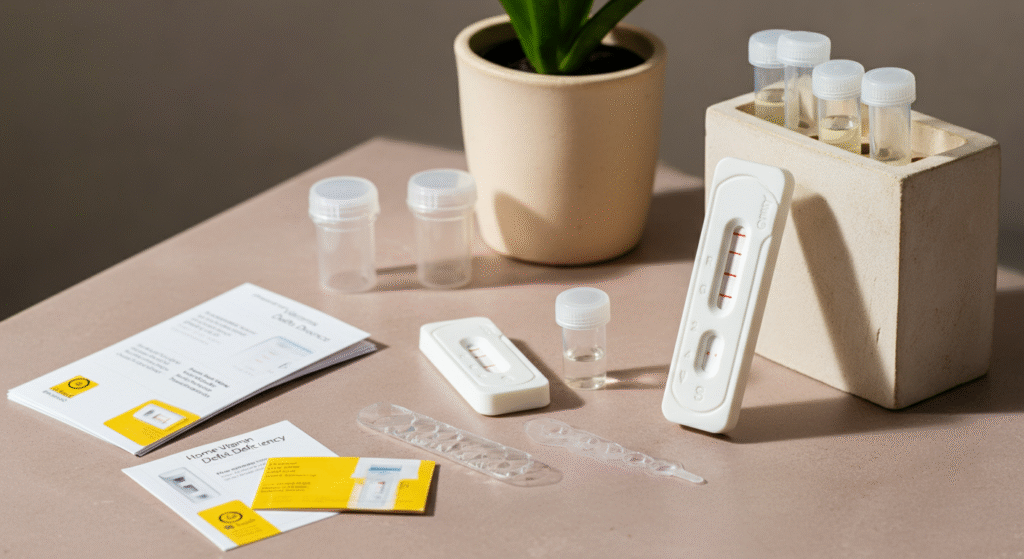
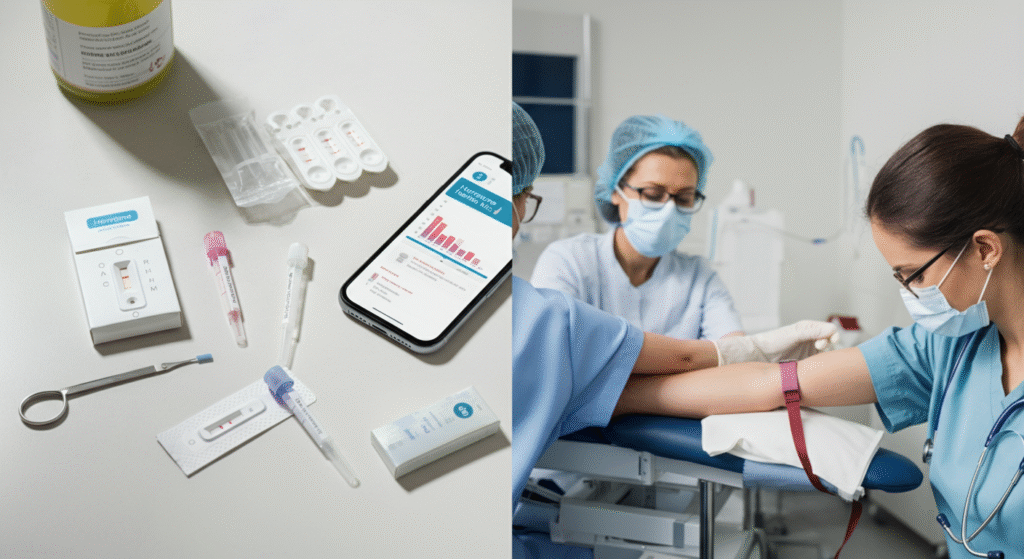
While these symptoms provide clues, they aren’t a diagnosis. The only definitive way to know if you are deficient is through a simple blood test ordered by your healthcare provider.
The Surprising Benefits of Vitamin D Injections
For those struggling with significant deficiencies, simple lifestyle changes might be too slow to offer relief. This is where Vitamin D injections shine. By delivering a concentrated dose, these injections can rapidly correct levels and unlock several health benefits.
Stronger Bones
Vitamin D acts as a key that unlocks the door for calcium absorption. Without sufficient Vitamin D, your body cannot effectively absorb calcium from your diet, no matter how much milk you drink. Correcting a deficiency helps maintain bone density and significantly reduces the risk of fractures and osteoporosis as you age.
Enhanced Immune System
Think of Vitamin D as a shield for your immune system. It helps equip your body to fight off invading bacteria and viruses. Research consistently suggests that maintaining adequate levels can reduce the likelihood of developing severe respiratory infections, including the flu. The National Institutes of Health (NIH) notes that Vitamin D is critical for immune function, helping to modulate the body’s response to inflammation.
Improved Mood
The connection between the “sunshine vitamin” and your mental state is potent. Receptors for Vitamin D have been found in the areas of the brain linked to depression. Correcting a deficiency often leads to improved mood and a reduction in symptoms of depression, offering a biological boost to mental well-being.
Increased Energy
Perhaps the most immediate benefit patients report is a surge in energy. Chronic fatigue associated with a deficiency can be debilitating. Restoring optimal levels often lifts that fog, helping you feel more alert and physically capable.
Who is a Good Candidate for a Vitamin D Injection?
Vitamin D injections aren’t a wellness trend for everyone to try casually. They are a specific medical treatment designed for particular needs. Generally, a healthcare provider might recommend injections if oral supplements have failed or if a deficiency is severe.
You might be a good candidate if you fall into one of these groups:
- People with Severe Deficiency: If your blood work shows critically low levels, oral supplements may take months to restore balance. An injection offers a much faster route.
- Those with Malabsorption Issues: Conditions like Crohn’s disease, celiac disease, or cystic fibrosis can damage the gut’s ability to absorb nutrients from pills or food. Injections bypass the digestive system entirely, ensuring the vitamin gets where it needs to go.
- Individuals with Limited Sun Exposure: Office workers, people who cover their skin for religious or cultural reasons, or those living in northern climates with long winters often struggle to produce enough Vitamin D naturally.
- People with Darker Skin Tones: Melanin acts as a natural sunscreen. While this protects against UV damage, it also reduces the skin’s ability to synthesize Vitamin D from sunlight.
How do Vitamin D Injections Work?
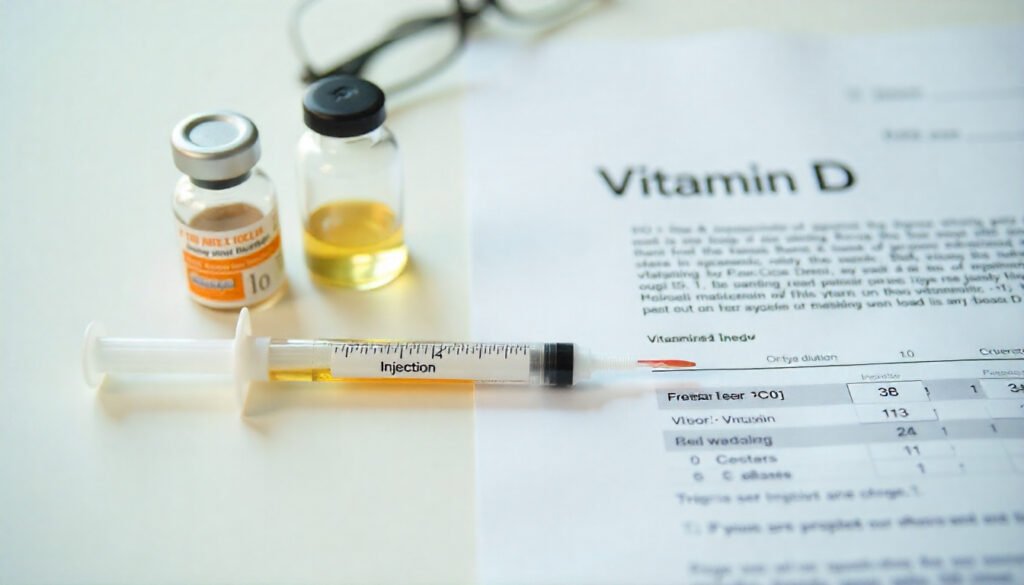
The process is straightforward. A Vitamin D injection is typically an intramuscular shot, meaning it is injected deep into the muscle—often in the arm or buttocks.
Unlike oral supplements, which must navigate the harsh environment of your stomach and intestines, injections deliver a high dose of Vitamin D directly into your bloodstream and tissues. This “bioavailability” is the key difference. Because it bypasses digestion, your body can utilize the vitamin immediately and more efficiently.
Dosage isn’t one-size-fits-all. Depending on the severity of your deficiency, your doctor might prescribe a single high-dose injection (sometimes as much as 300,000 IU) or a series of smaller doses over several weeks.
Are There Any Side Effects or Risks?
When administered by a professional under medical guidance, Vitamin D injections are generally safe. However, as with any medical treatment, there are potential risks to consider.
Minor side effects usually occur at the injection site and can include temporary redness, swelling, or mild pain. These typically resolve quickly on their own.
The more serious risk involves Vitamin D toxicity, also known as hypercalcemia. Because Vitamin D is fat-soluble, your body stores it rather than peeing out the excess. If levels get too high, calcium builds up in the blood, leading to nausea, vomiting, weakness, and potentially serious kidney problems. This highlights why you should never seek injections without a blood test and a doctor’s prescription.
How Else Can You Boost Vitamin D Levels?
Injections aren’t the only way to get your “sunshine.” For many people with mild deficiencies or those looking to maintain healthy levels, less invasive methods work perfectly well.
- Sunlight: The most natural source. Aim for 10–30 minutes of midday sun exposure several times a week. Keep in mind that sunscreen blocks Vitamin D production, so you need direct exposure—but be careful not to burn.
- Diet: While food sources are limited, they can help. Fatty fish like salmon, trout, and mackerel are excellent sources. Egg yolks, cheese, and beef liver provide smaller amounts. Many foods, such as milk, orange juice, and cereals, are also fortified with Vitamin D.
- Oral Supplements: Over-the-counter Vitamin D3 (cholecalciferol) supplements are affordable, effective, and safe for most people. They are available as pills, capsules, or liquid drops.
Comparison of Vitamin D Sources
| Method | Pros | Cons |
|---|---|---|
| Injections | Rapid absorption; bypasses gut issues; infrequent dosing. | Requires a doctor; invasive; risk of toxicity if not monitored. |
| Sunlight | Free and natural; boosts mood. | Risk of skin cancer/damage; dependent on weather/location. |
| Diet | Natural nutrient intake. | Very difficult to get sufficient amounts from food alone. |
| Supplements | Affordable; accessible; easy to control dose. | Slower absorption; requires daily consistency; may cause stomach upset. |
Is It Time to Check Your Levels?
Vitamin D injections are a powerful tool in the medical arsenal, offering a rapid and effective D deficiency treatment for those who truly need it. They provide a lifeline for stronger bones, better immunity, and improved energy when standard methods fall short.
However, they aren’t a universal fix. For many, a combination of smart sun exposure, a nutrient-rich diet, and daily oral supplements is sufficient to keep the winter blues at bay.
If you recognize the symptoms of deficiency in yourself—the lingering fatigue, the aches, the low mood—don’t guess. Speak with a healthcare provider to get your levels tested. Together, you can decide if an injection is the right step to get you back to feeling your best.