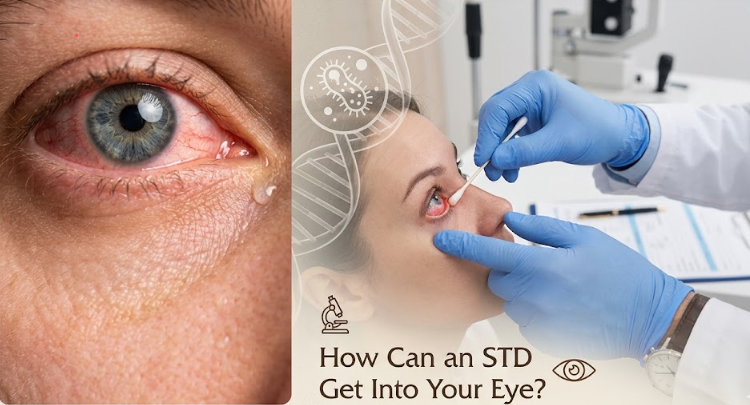
When you think about sexually transmitted diseases, your eyes probably do not come to mind. Most people associate STDs with specific parts of the body. But certain infections can actually affect your vision.
I know it sounds a little scary. It is definitely something we need to talk about. While they are less common than genital infections, “ocular STIs” are a real thing.
They are serious. If you ignore them, they can even lead to permanent eye damage.
Common Methods of Transmission
How does an infection travel from one person’s genitals to another person’s eye? It usually happens through direct or indirect contact. Here are the most common ways it occurs.
Autoinoculation
This is a big medical word for a simple mistake. It happens when you touch an infected area on your own body. Then, you rub your eyes without washing your hands first. The bacteria or virus transfer right to your eye.
Direct Fluid Contact
Sometimes bodily fluids get directly into the eye during sexual activity. This includes infected semen or vaginal fluids. A splash or a rub can easily transfer the infection.
Mother-to-Child
This happens during childbirth. If a mother has an active infection, it can pass to the baby’s eyes during delivery. Doctors call this neonatal conjunctivitis.
Bloodborne Spread
In rare cases, an infection can spread through the bloodstream. This happens with infections like syphilis. The bacteria travel through your body and settle in the ocular tissues.
Which STDs Can Affect the Eyes?
Not every STD affects the eyes. But a few common ones certainly can. Here is what you need to know about the main culprits.
Chlamydia
Ocular chlamydia is the most common cause of eye STIs. It often looks exactly like severe “pink eye.” But there is a catch. It will not respond to standard over-the-counter eye drops.
Gonorrhea
Ocular gonorrhea is very aggressive. It causes rapid and severe inflammation in the eye. If left untreated, it can cause serious corneal damage very quickly.
Syphilis
Doctors often call syphilis “the great imitator.” That is because its symptoms look like many other issues. Ocular syphilis can cause blurred vision. It can also cause eye floaters and extreme sensitivity to light.
Herpes (HSV-1 & HSV-2)
The herpes virus can easily infect the eye. It causes keratitis, which is an inflammation of the cornea. It often leads to painful sores on or around the eye.
Symptoms of Eye STIs to Watch For
How do you know if you have an STD in the eye? The symptoms often mimic other common eye infections. Look out for these warning signs.
- Persistent redness: You might mistake this for a common cold or a seasonal allergy.
- Thick discharge: Watch for unusual yellow or green fluid coming from your eye.
- Extreme sensitivity to light: Doctors call this photophobia. Normal light might suddenly hurt your eyes.
- Blurred vision or “floaters”: You might see dark spots floating across your vision.
- Eye pain: You might feel a gritty sensation. It feels exactly like sand or dirt is stuck under your eyelid.
How to Prevent Eye STDs
The good news is that eye STIs are highly preventable. A few simple habits can keep your eyes completely safe.
Practice Good Hand Hygiene
Always wash your hands immediately after sexual activity. Use warm water and soap. This simple step washes away bacteria and viruses before they can reach your eyes.
Avoid Touching Your Face
Do your best to keep your hands away from your face. Refrain from touching your eyes during or immediately after contact with bodily fluids.
Use Barriers
Condoms and dental dams are great for protecting your genitals. However, they do not stop fluid splashes. That is why general hygiene is still the most important factor.
Get Regular Testing
Many STDs are completely asymptomatic. You might have one and never know it. Regular screenings help you catch infections early. This stops them from spreading to other parts of your body, including your eyes.
When to See a Doctor
If your eye is red, irritated, or painful, do not wait. Regular “pink eye” treatments will not cure an STI. Over-the-counter drops will not fix the underlying infection.
If your symptoms persist for more than 24 to 48 hours, please see a doctor. You can visit an ophthalmologist or a local sexual health clinic. They can run the right tests to see exactly what is going on.
Getting the Right Help and Treatment
Eye STIs are totally preventable. They are also highly treatable. But they require very specific antibiotics or antiviral medications to heal properly.
Please do not be embarrassed to tell your eye doctor about your sexual history. It is completely normal. Being honest is the only way to get the correct diagnosis. Your doctor is there to help you, not to judge you. Taking quick action will protect your vision and give you peace of mind.