If you are sexually active, the general medical recommendation is to get a full STD panel at least once a year, or every time you have a new partner.
Testing frequency is not a one-size-fits-all rule. Your testing needs depend entirely on your current lifestyle and sexual activity. That is why health experts, like the Centers for Disease Control and Prevention (CDC), have created specific guidelines.
Understanding these guidelines helps you take control of your sexual health. Let us break down exactly when and how often you should get checked.
The General Rule: Once a Year (or Before a New Partner)
For most sexually active adults, a yearly STD test is the standard baseline for good health.
You should also get tested every time you plan to become intimate with a new partner. Sharing your test results is becoming a standard, healthy part of modern dating. It builds trust and ensures both of you are safe before taking the next step.
When you do get your routine screening, make sure it is a comprehensive panel. You want to test for the most common infections. These include Chlamydia, Gonorrhea, Syphilis, and HIV.
When to Test More Frequently (Every 3 to 6 Months)
There is absolutely no shame in having an active, varied sex life. If you have multiple partners, you simply need to test more often to protect yourself and others.
You should get an STD test every three to six months if you have multiple concurrent partners or frequently have unprotected casual encounters. This guideline also applies to men who have sex with men (MSM).
The reasoning here is pure math. More frequent sexual contact simply increases your odds of encountering a silent infection—an STD that shows zero symptoms. Testing every three to six months catches these hidden infections early. This prevents long-term health damage and stops you from unknowingly passing the infection to someone else.
“Do I Need Testing If I’m in a Monogamous Relationship?”
The short answer is yes, at least once.
Many people enter a long-term, exclusive relationship carrying a silent infection from a previous partner. Because these infections often have no symptoms, you could carry one for years without ever knowing it.
If neither of you were tested at the very start of your relationship, you both need a baseline test right now. This ensures you are fully in the clear. Once you both test negative and remain entirely exclusive to each other, routine STD testing is generally no longer needed.
Event-Based Testing: When to Get Checked Immediately
Sometimes, routine schedules go out the window. Certain events require you to get tested outside of your normal yearly or quarterly routine.
- Symptoms Appear: If you notice unusual discharge, painful burning when you pee, or unexpected sores, you need to get tested right away.
- A Partner Tests Positive: If a past or current partner informs you they have an STD, you need to test immediately. You must do this even if you feel completely fine.
- A Condom Broke: An unprotected encounter can cause major anxiety the morning after. Getting tested is the best way to regain peace of mind.
A crucial note on “window periods”: It takes time for an infection to build up enough in your body to show up on a test. Testing the morning after an unprotected encounter will not work. Most STD tests require waiting one to three weeks after the exposure for the results to be accurate.
Make Routine Testing Completely Private (No Waiting Rooms)
We know exactly why people skip their yearly STD test. Booking a doctor’s appointment is annoying. Waiting rooms are awkward. Asking your doctor for an STD panel face-to-face can feel embarrassing.
Fortunately, routine testing does not require a clinic anymore. FDA-approved at-home STD test kits have completely changed how we manage our sexual health.
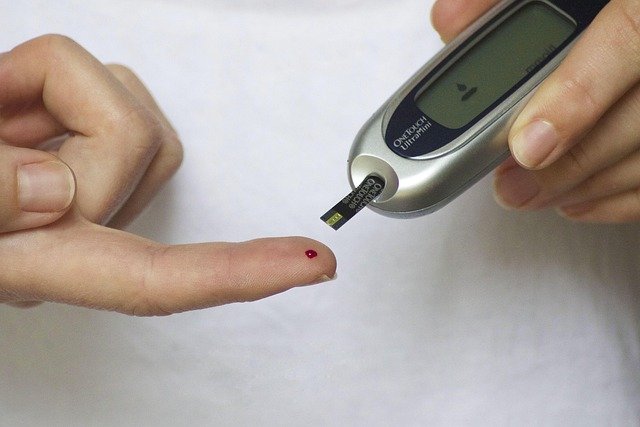
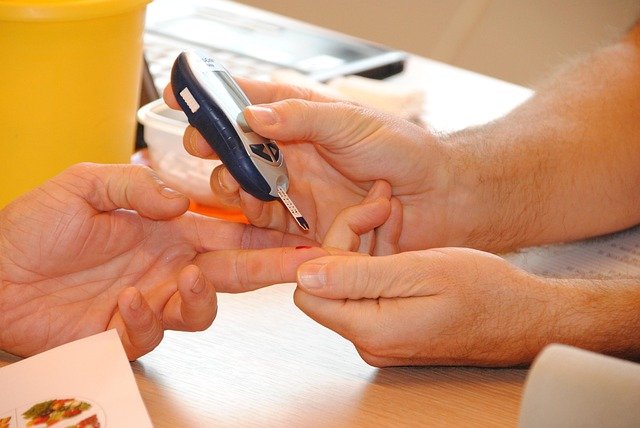
These kits use the exact same CLIA-certified labs as your local doctor. The difference is that the kit arrives at your door in a plain brown box. You collect your own sample—usually a simple urine collection or a quick finger prick—right in your own bathroom. Then, you mail it back and get your results online a few days later.
Ready to check your yearly test off your to-do list? Compare our top-rated, discreet at-home testing kits here and get peace of mind without leaving the house.
Frequently Asked Questions
Is an STD test included in my normal yearly physical?
Usually, no. Many doctors only run a standard blood panel to check things like your cholesterol and blood sugar. They will not check for STDs unless you specifically ask for an STD test. Always request it directly.
Does a Pap smear test for STDs?
No. A Pap smear checks for abnormal cervical cells, which are often caused by the Human Papillomavirus (HPV). However, a Pap smear does not automatically test for other common infections like Chlamydia, Gonorrhea, or HIV.