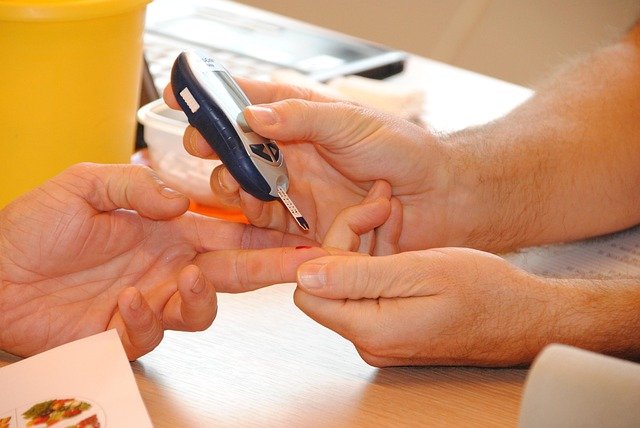
Exercise is one of the most effective and natural ways to regulate blood sugar levels, which is crucial for managing conditions like diabetes, prediabetes, and even for those looking to maintain optimal health. In this article, we’ll explore how exercise affects blood sugar levels, why it’s beneficial, and how you can use physical activity to better manage your glucose levels.
What Happens to Blood Sugar Levels During Exercise?
When you exercise, your muscles require more energy, and this energy is primarily supplied by glucose (sugar) in your blood. As your muscles work harder, they absorb glucose from your bloodstream to fuel the activity, which leads to a reduction in blood sugar levels.
Immediate Effects:
- Increased Glucose Uptake: During physical activity, your body increases the uptake of glucose from the bloodstream into your muscles. This helps lower blood sugar levels quickly.
- Improved Insulin Sensitivity: Regular exercise improves your body’s sensitivity to insulin, the hormone responsible for allowing glucose to enter cells. This means your body becomes more efficient at using insulin, lowering blood sugar levels over time.
Long-Term Effects:
- Better Blood Sugar Control: Consistent exercise can improve your overall blood sugar control, helping to keep it in a healthy range. This is especially beneficial for people with diabetes or those at risk of developing it.
- Increased Muscle Mass: More muscle means a greater capacity for glucose storage and use. Muscles are one of the primary sites for glucose uptake, so building muscle through exercise can help reduce blood sugar levels over time.
Types of Exercise and Their Impact on Blood Sugar Levels
Different types of exercise have varying effects on blood sugar. Let’s explore the most common forms:
Aerobic Exercise (Cardio)
Aerobic exercises such as walking, running, cycling, or swimming involve continuous, moderate-intensity activity. These activities have an immediate effect on lowering blood sugar levels.
- How it works: Aerobic exercise increases your heart rate and helps your muscles burn glucose for energy. This leads to a reduction in blood sugar levels, which can last for hours after exercise.
- Best for: Individuals looking to improve cardiovascular health, lose weight, and maintain blood sugar levels over time.
Strength Training (Resistance Exercise)
Strength training, or resistance exercise, involves lifting weights or using resistance bands to build muscle mass. This type of exercise also helps lower blood sugar, but in a different way than aerobic exercise.
- How it works: Strength training increases muscle mass, and muscle tissue is one of the largest consumers of glucose. The more muscle you have, the more glucose your body can store and utilize, which can help regulate blood sugar.
- Best for: People looking to increase muscle mass, improve insulin sensitivity, and improve metabolic health.
High-Intensity Interval Training (HIIT)
HIIT involves short bursts of intense activity followed by periods of rest or lower-intensity exercise. This training method is known for its efficiency in burning fat and improving insulin sensitivity.
- How it works: HIIT workouts elevate the heart rate quickly, forcing the muscles to use glucose rapidly. Afterward, your body continues to burn glucose for hours, even at rest.
- Best for: Those who want to improve fitness quickly, reduce body fat, and boost insulin sensitivity.
Flexibility and Balance Exercises
Though not as intense, activities such as yoga, Pilates, and stretching can still contribute to blood sugar regulation by promoting relaxation and reducing stress.
- How it works: These exercises may not directly lower blood sugar, but they help improve overall well-being, reduce stress (which can affect blood sugar), and improve muscle and joint function.
- Best for: Those looking to reduce stress and improve overall flexibility and balance.
How Exercise Helps Manage Diabetes and Prediabetes
For Type 1 Diabetes:
In individuals with type 1 diabetes, exercise is essential for managing blood sugar levels. While exercise generally lowers blood sugar, it’s important to monitor glucose levels before, during, and after exercise to avoid hypoglycemia (low blood sugar). With the right approach, exercise can significantly improve insulin sensitivity and overall blood sugar control.
For Type 2 Diabetes:
Exercise is a cornerstone of managing type 2 diabetes, as it helps:
- Reduce Insulin Resistance: Type 2 diabetes is characterized by the body’s resistance to insulin. Regular physical activity helps improve insulin sensitivity, meaning the body requires less insulin to regulate blood sugar levels.
- Promote Weight Loss: Exercise, combined with a healthy diet, is highly effective in losing weight. Reducing excess weight, particularly around the abdomen, can significantly improve blood sugar regulation and insulin sensitivity.
For Prediabetes:
People with prediabetes are at risk of developing type 2 diabetes, but regular exercise can help lower the risk by improving insulin sensitivity and helping with weight management. Studies have shown that moderate physical activity can reduce the risk of developing full-blown diabetes by up to 50%.
The CDC recommendations for physical activity and diabetes management highlight that even 30 minutes of moderate movement daily can help regulate blood glucose levels.
The Best Time to Exercise for Optimal Blood Sugar Control
The timing of your exercise can influence how it affects your blood sugar. Some studies suggest the following:
Morning Exercise:
- Exercising in the morning can help stabilize blood sugar levels throughout the day, as your body may be more responsive to insulin after a night of rest.
Post-Meal Exercise:
- Light to moderate physical activity after meals can help lower post-meal blood sugar spikes. A short walk or stretching after meals is a great way to keep blood sugar levels in check.
Evening Exercise:
- Evening exercise may be helpful for those with type 2 diabetes, as it can reduce nighttime blood sugar levels and improve insulin sensitivity during sleep.
Precautions to Take While Exercising
While exercise is generally beneficial for blood sugar control, there are a few precautions to consider:
Monitor Blood Sugar Levels:
- If you have diabetes, it’s essential to monitor your blood sugar levels before and after exercise to prevent hypoglycemia (low blood sugar) or hyperglycemia (high blood sugar).
Hydrate Well:
- Dehydration can affect your blood sugar levels, so make sure to drink plenty of water before, during, and after exercise.
Adjust Insulin or Medication:
- If you take insulin or oral medications for diabetes, consult with your healthcare provider to adjust doses as needed, especially before or after intense exercise.
Exercise is Key for Healthy Blood Sugar Levels
Exercise plays a crucial role in managing and controlling blood sugar levels. Whether through aerobic exercise, strength training, or high-intensity workouts, physical activity improves insulin sensitivity, burns glucose for energy, and helps regulate blood sugar over time.
If you have diabetes, prediabetes, or simply want to maintain healthy blood sugar levels, incorporating regular exercise into your routine is one of the most effective steps you can take for better health.
Always consult with your doctor before beginning any exercise program, especially if you have diabetes or other chronic conditions. Regular physical activity combined with a balanced diet can empower you to take control of your blood sugar levels and improve your overall health.