Do you feel tired all the time, no matter how much you sleep? Have you noticed unexplained weight gain, persistent mood swings, or trouble focusing? These aren’t just signs of a busy life; they could be signals from your body that your hormones are out of balance. While a trip to the doctor for blood work has been the standard way to check hormone levels, a new option has gained significant attention: home saliva test kits for hormones.
These at-home health testing kits offer a convenient and non-invasive way to get a glimpse into your body’s inner workings. But how do they stack up against traditional methods? This post will explore the science behind saliva testing, weigh its accuracy against blood tests, and help you decide if it’s the right first step for your health journey. We’ll cover what these tests measure, how to use them correctly, and most importantly, how to interpret the results to take control of your well-being.
Understanding Hormone Imbalance
Hormones are the chemical messengers of your body, regulating everything from your mood and metabolism to your sleep cycles and reproductive health. A hormone imbalance occurs when you have too much or too little of a specific hormone. Even small fluctuations can have a noticeable impact on your daily life.
Identifying the root cause of your symptoms is the first step toward feeling better. Common symptoms of hormone imbalance can differ between men and women, but many overlap.
Common symptoms include:
- Chronic fatigue or low energy
- Unexplained weight gain or difficulty losing weight
- Mood swings, anxiety, or depression
- Difficulty sleeping or insomnia
- Low libido or changes in sexual function
- Brain fog or trouble concentrating
- Skin issues like acne or dryness
- For women: irregular periods, hot flashes, and night sweats
- For men: loss of muscle mass and hair thinning
How Saliva Testing Works
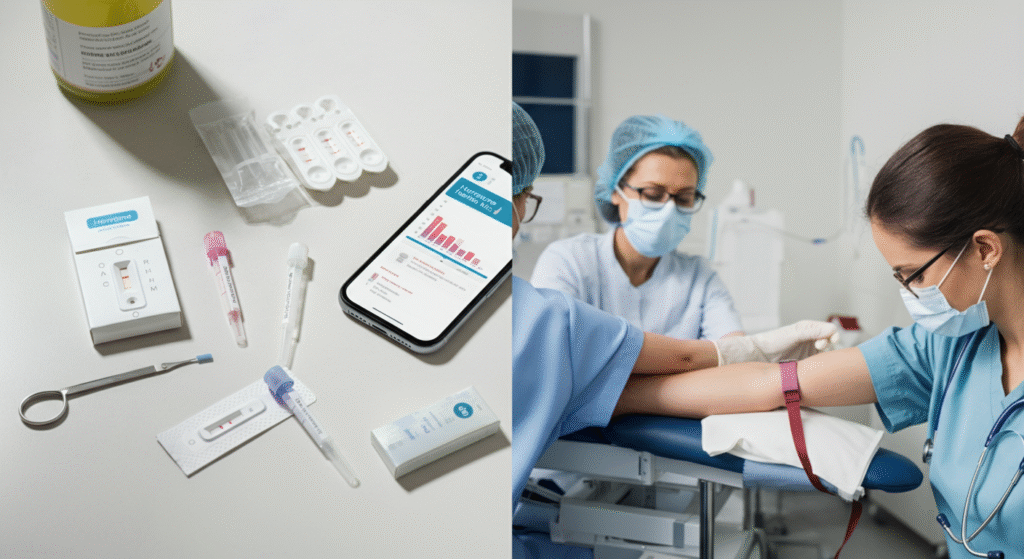
While both blood and saliva tests measure hormones, they look at them differently. A blood serum test typically measures the total amount of a hormone in your bloodstream, which includes hormones that are bound to proteins and those that are “free.”
Saliva testing, on the other hand, measures only the “free” or bioavailable hormones. These are the hormones that are unbound and actively available for your cells to use. Many experts believe that measuring bioavailable hormones provides a more accurate picture of the hormones causing your symptoms, as this is the form that directly interacts with your body’s tissues.
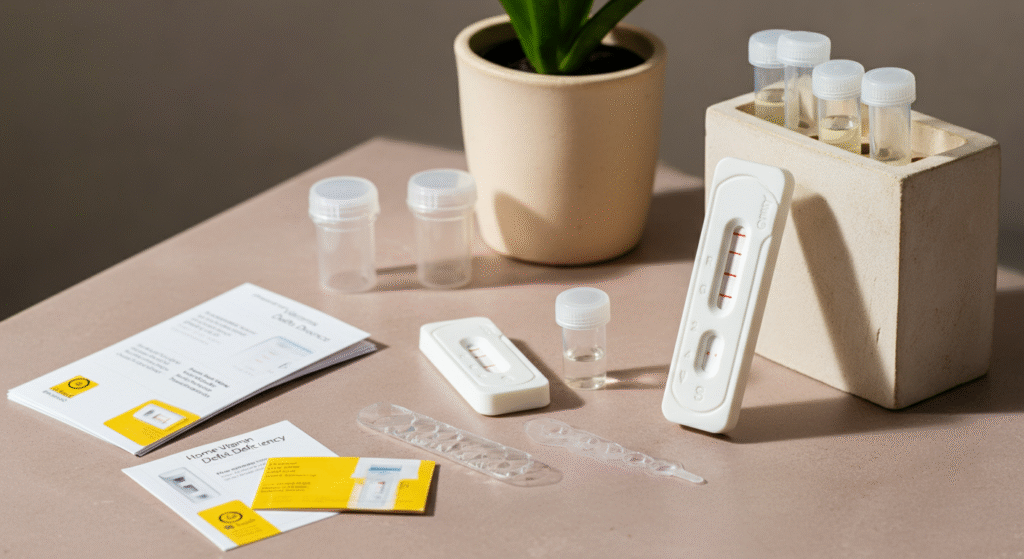
The collection process is another key difference. Instead of a needle draw at a lab, saliva testing involves spitting into a collection tube. This simple, pain-free method can be done from the comfort of your own home.
The Benefits of Saliva Testing
At-home hormone testing offers several unique advantages that make it an appealing option for many people.
- Convenience: The most obvious benefit is the ability to collect your sample at home, on your own schedule. There’s no need to book a doctor’s appointment or travel to a lab.
- Ideal for Cortisol Testing: Saliva testing is particularly well-suited for measuring cortisol levels throughout the day (a diurnal curve). Cortisol, your body’s main stress hormone, naturally fluctuates. A comprehensive assessment requires multiple samples—typically upon waking, at noon, in the afternoon, and before bed. This is far more practical to do at home than spending an entire day at a clinic.
- Pain-Free Collection: For anyone with a fear of needles, saliva testing is a stress-free alternative. The non-invasive process makes it an excellent choice for tracking hormone levels over time without repeated blood draws.
Can You Trust the Results?
A common question is whether home saliva test kits are accurate. While there is skepticism, the technology has advanced significantly. The key to reliable results lies in the laboratory that processes the sample. Reputable test kits partner with CLIA-certified laboratories, which means they must meet the same high standards for accuracy and quality control as hospital labs.
However, it’s important to understand the limitations. Saliva testing is highly accurate for steroid hormones like cortisol, estrogen, progesterone, testosterone, and DHEA. It is less suitable for measuring peptide hormones, such as thyroid-stimulating hormone (TSH), which are larger molecules that don’t transfer as easily into saliva. For a full thyroid panel, a blood test remains the gold standard.
Types of Hormones You Can Test
Most comprehensive home saliva test panels look at a group of key steroid hormones that influence energy, mood, and reproductive health.
- Cortisol: Regulates your stress response, metabolism, and sleep-wake cycle.
- Estradiol (E2): The primary form of estrogen, crucial for female reproductive health and menstrual cycles.
- Progesterone: Works in balance with estrogen and plays a vital role in pregnancy and mood regulation.
- Testosterone: Affects libido, muscle mass, and energy levels in both men and women.
- DHEA: A precursor hormone that converts into other hormones like testosterone and estrogen, often associated with vitality and aging.
A User’s Guide to Home Testing
To get the most out of your test, it’s essential to choose a quality kit and follow the instructions carefully.
Choosing a Reliable Test Kit
Look for kits that are transparent about their laboratory credentials. Check for CLIA certification and read verified customer reviews. A good company will also provide clear, easy-to-follow instructions and access to customer support if you have questions.
Preparing for the Test
Your sample can be easily contaminated, which can skew your results. To ensure accuracy, follow these general guidelines:
- Do not eat, drink anything other than water, or brush your teeth for at least one hour before collection.
- Avoid using mouthwash, lip balm, or any facial creams around the mouth area before testing.
- Refrain from strenuous exercise or caffeine on the day of testing until all samples are collected.
- Collect your samples at the exact times specified in the instructions, especially for cortisol tests. The first sample should typically be taken 30-60 minutes after waking.
When to Consult a Doctor
This is the most important step. A home test kit is an informational tool, not a medical diagnosis. The results provide valuable data, but they should be interpreted in the context of your full health picture.
Always discuss your results with a qualified healthcare provider, such as a doctor, naturopath, or endocrinologist. They can help you understand what the numbers mean, recommend further testing if needed, and develop a safe and effective treatment plan. Never attempt to self-medicate with supplements or hormone therapies based solely on home test results.
Your Health in Your Hands
Home saliva test kits for hormones can be a powerful and proactive tool for understanding your body. They offer a convenient, insightful, and pain-free way to investigate the root cause of persistent symptoms, empowering you to start a conversation with your healthcare provider.
While they are not a replacement for professional medical advice, these kits can provide the data you need to take the first step toward reclaiming your health. By listening to your body and pairing modern testing with expert guidance, you can move closer to feeling your best.