Have you ever wondered if your constant fatigue, unpredictable mood swings, or fertility struggles could be linked to your hormones? If so, you’re not alone. There’s a growing interest in hormone testing to get to the root of these and other health issues. Hormones are the body’s crucial chemical messengers, regulating everything from your metabolism and mood to your sleep cycles and reproductive health. When they’re out of balance, the effects can be felt system-wide.
With more options available than ever, choosing between a home hormone test and clinical hormone testing can be confusing. Do you opt for the convenience of an at-home kit, or is it better to go the traditional route with a doctor’s visit? The right path isn’t always clear, and the decision can feel overwhelming.
This post will break down both options for hormone testing. We’ll compare the pros and cons of using a home hormone test versus getting a lab hormone test through a clinic. By the end, you’ll have a clearer understanding of each method, helping you decide which is right for your unique health journey.
What is a Home Hormone Test?
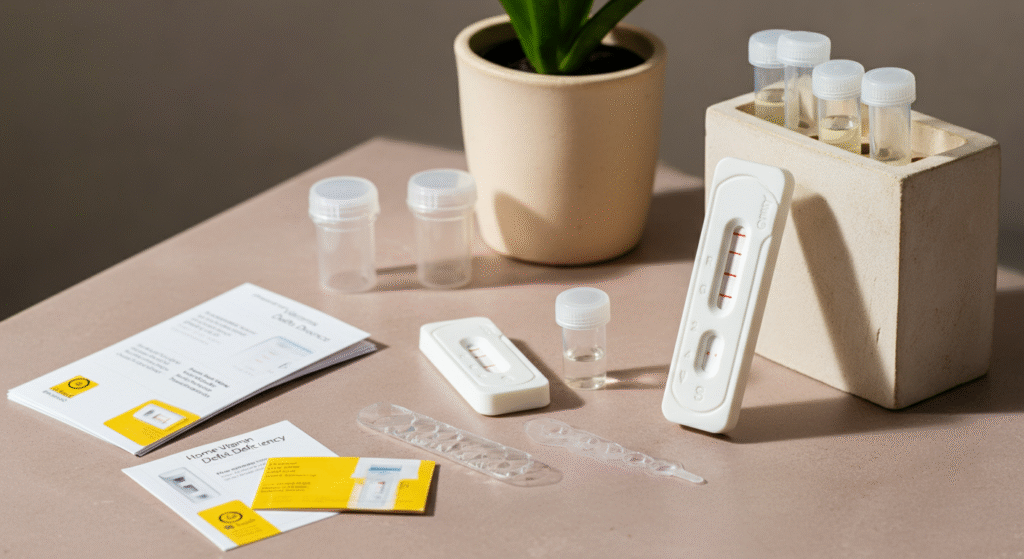
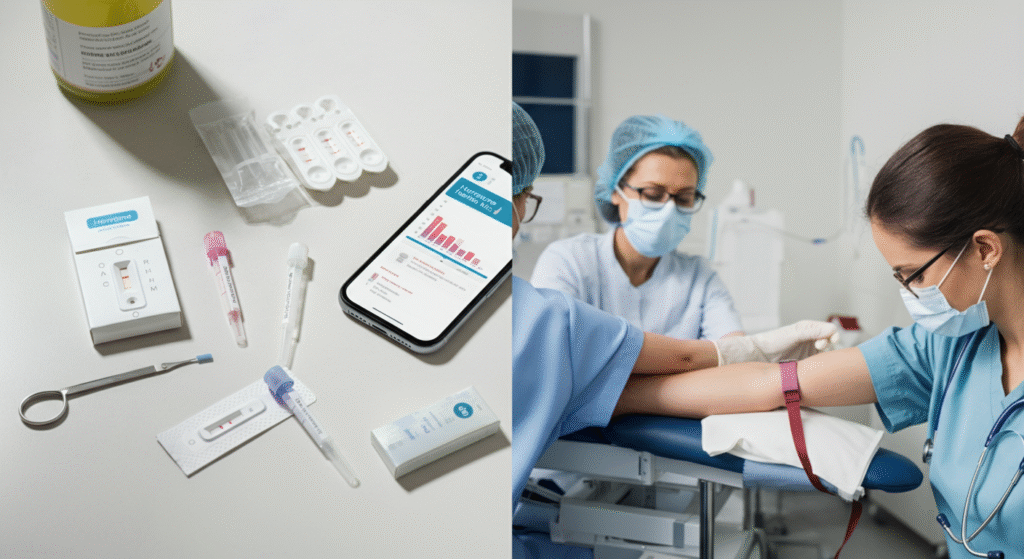
A home hormone test offers a way to check your hormone levels without leaving your house. The process is straightforward: you order a kit online, and it arrives at your doorstep with everything you need. Following the instructions, you collect a sample—typically saliva or a few drops of blood from a finger-prick. Once collected, you package the sample in the provided materials and mail it to a designated lab for analysis. Within a few days or weeks, your results are delivered to you through a secure online portal or app.
Pros of Home Hormone Tests
- Convenience: The biggest advantage is convenience. You can collect your sample from the comfort of your own home, on your own schedule. There’s no need to book appointments, travel to a clinic, or wait in a waiting room.
- Privacy: Discussing sensitive health concerns can be uncomfortable. Home kits offer a level of discretion that many people appreciate, allowing you to investigate your health privately.
- Cost-Effectiveness: In many cases, at-home hormone kits can be more affordable than a full clinic visit, especially if you don’t have insurance or have a high-deductible plan. The upfront cost is often lower than the combined expense of a doctor’s consultation and separate lab fees.
Cons of Home Hormone Tests
- Accuracy Concerns: The accuracy of the test can be compromised by user error. Improper sample collection, like not collecting enough saliva or contaminating a blood sample, can lead to skewed results.
- Limited Scope: Most home tests measure a limited panel of hormones. They may not provide the comprehensive data that a doctor would need to diagnose a complex condition.
- Lack of Immediate Context: Receiving a page of data without a healthcare professional to explain it can be confusing and stressful. It’s easy to misinterpret the results or feel anxious about what they mean for your health, leading to unnecessary worry or false reassurance.
What is Clinical Hormone Testing?
Clinical hormone testing is the traditional method, managed through a healthcare provider. The process begins with a consultation with a doctor to discuss your symptoms and health history. Based on this conversation, your doctor will order specific tests and give you a lab requisition form. You then visit a laboratory or clinic where a trained phlebotomist draws a blood sample. The sample is analyzed, and the results are sent back to your doctor, who will then schedule a follow-up to discuss the findings with you.
Pros of Clinical Hormone Testing
- High Accuracy: Professional sample collection by a phlebotomist minimizes the risk of user error, ensuring the sample is viable and the results are reliable. The labs used by clinics are also held to rigorous quality and regulatory standards.
- Comprehensive Analysis: A doctor can order a wide and specific range of tests tailored to your individual symptoms. This provides a more complete and nuanced picture of your hormonal health.
- Expert Guidance: This is perhaps the most significant benefit. A doctor doesn’t just give you the results; they interpret them in the context of your overall health. They can explain what the numbers mean, diagnose underlying conditions, and create a personalized treatment plan.
Cons of Clinical Hormone Testing
- Less Convenient: This route requires more effort. You’ll need to schedule at least two appointments—one for the initial consultation and another for a follow-up—in addition to visiting a separate lab for the blood draw.
- Higher Cost: Depending on your insurance coverage, clinical testing can be more expensive. The costs of the doctor’s visits and comprehensive lab work can add up.
- Less Privacy: Some individuals may feel uncomfortable discussing personal symptoms or health history in a clinical setting, which can be a barrier to seeking care.
Head-to-Head: Home Kit vs. Clinic
To make the choice clearer, let’s compare the two methods side-by-side on the factors that matter most.
- Accuracy & Reliability: Clinic wins. Professional sample collection and certified labs provide the gold standard for accuracy.
- Cost: Home kits often win. They typically have a lower upfront cost, making them more accessible for those on a tight budget or without insurance.
- Convenience: Home kits win. Nothing beats the ease of testing from your own home on your own time.
- Comprehensiveness: Clinic wins. A doctor can order a much broader and more targeted range of tests to get a full picture.
- Interpretation & Support: Clinic wins. The guidance of a healthcare professional is invaluable for understanding results and creating an effective treatment plan.
For example, someone who is simply curious about their general cortisol levels as part of a wellness check might find a home hormone test to be a good starting point. It’s a low-risk way to gather some initial data. However, for someone dealing with complex symptoms that suggest a potential thyroid disorder, PCOS, or significant fertility issues, clinical hormone testing is the recommended and more responsible path.
Choosing the Right Path for Your Health
Ultimately, both home and clinical hormone testing have their place. Home hormone test kits offer unparalleled convenience and accessibility, making them a great tool for general wellness monitoring or as a first step in exploring your health. They empower you to take an active role in understanding your body.
On the other hand, clinical hormone testing provides the accuracy, comprehensiveness, and expert guidance necessary for diagnosing and managing specific health conditions. For anyone experiencing persistent or concerning symptoms, the expertise of a healthcare provider is indispensable.
The best choice depends entirely on your personal goals, symptoms, budget, and comfort level. Before you decide, start by assessing your needs. Are you simply curious about a single biomarker, or are you trying to solve a specific health problem that’s impacting your quality of life? If you’re dealing with ongoing symptoms, the most reliable first step is to consult with a healthcare provider. They can help you determine the most appropriate hormone testing option to get the answers you need to feel your best.