If you are feeling anxious about changes in your body, take a deep breath. It is completely normal to worry when something feels off down there. We want to give you the most direct answer right away. The most common early symptom of a sexually transmitted disease (STD) in women is having no symptoms at all.
When early signs do show up, they are usually very mild. Women often mistake them for a common yeast infection or a simple urinary tract infection (UTI). Because these signs are so easy to miss, testing is the only way to know for sure.
Sometimes, mild symptoms will appear for a few days and then completely go away. Please know that disappearing symptoms do not mean the infection is gone. The underlying infection is still active in your body and requires medical treatment to clear up.
Common First Signs of an STD You Should Not Ignore
When an infection first takes hold, your body might give you a few subtle warning signs. These generalized changes are usually the first things women notice.
Unusual Vaginal Discharge: Normal discharge changes throughout your monthly cycle. However, sudden changes in color, texture, or smell are major red flags. Look out for discharge that is green, yellow, or gray, has a chunky texture, or carries a strong, fishy odor.
Painful or Burning Urination: Feeling a sharp burn when you pee is a classic sign of a Urinary Tract Infection (UTI). However, it is also a primary early sign of bacterial infections like Chlamydia and Gonorrhea.
Itching or Discomfort: Persistent itching in your genital area is incredibly uncomfortable and frustrating. While this is often a simple yeast infection, it is a symptom that must be checked by a professional.
Unexpected Bleeding: Bleeding between your regular periods is never something to ignore. Bleeding lightly after intercourse is another early symptom that requires immediate medical attention.
Mild STD Symptoms: Is it an STD or a Yeast Infection?
This is one of the most common questions women ask when they feel discomfort. Yeast infections, bacterial vaginosis (BV), and STDs like Trichomoniasis often share the exact same symptoms. They all cause itching, mild odor, and unusual discharge.
Because the signs overlap so heavily, you cannot diagnose yourself based on symptoms alone. Many women waste weeks treating a suspected yeast infection with over-the-counter creams. During this time, an actual STD continues to spread and cause internal damage.
Only a proper lab test can confirm exactly what is causing your discomfort. Getting the right answer quickly saves you time, money, and unnecessary stress.
Early Symptoms by Specific Infection
Different infections behave in different ways. Here are the very first signs associated with some of the most common STDs.
Chlamydia & Gonorrhea
These are highly common bacterial infections. Early signs include abnormal discharge, mild pain during urination, or mild pelvic pain. However, we must emphasize that these infections are usually completely silent.
Trichomoniasis (Trich)
This is a common parasitic infection. The primary early sign is a sudden, foul-smelling discharge. This discharge often takes on a greenish-yellow or frothy gray appearance.
Genital Herpes (HSV)
Genital herpes is a viral infection. Before any visible signs appear, women often experience a “prodrome” stage. This involves tingling, itching, or a burning sensation in the genitals, followed a few days later by painful, fluid-filled blisters.
The Silent Problem: When There are NO Symptoms
The most dangerous thing about STDs is what you cannot see or feel. According to the CDC, up to 80% of Chlamydia and Gonorrhea infections in women are entirely without symptoms. You can carry and spread these infections for months without having a single clue.
Ignoring a silent infection is incredibly risky for your future health. Untreated bacterial STIs can easily spread up into your uterus. This causes a painful condition called Pelvic Inflammatory Disease (PID).
PID is a leading cause of preventable infertility in women. The good news is that if you catch a bacterial infection early, it is easily cured. Your local US pharmacy can fill standard, highly accessible antibiotics to clear the infection right up.
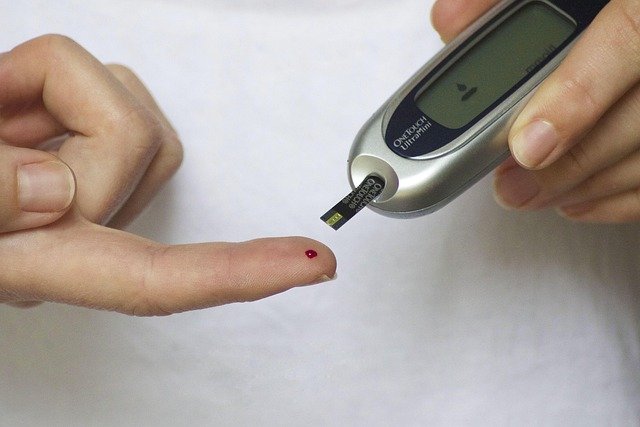
Clear Your Mind: Professional STD Testing at Home
You do not need to rely on unreliable symptoms to protect your sexual health. It is time to stop the guesswork and get the answers you deserve.
You can now use FDA-approved, lab-certified at-home testing kits. You do not need to sit in a crowded public clinic. You do not even need to explain your private history to a doctor face-to-face.
These testing kits are totally discreet and highly accurate. They give you the peace of mind to either clear your name or get the standard treatment you need to protect your future fertility. Read our review on the Best At-Home Chlamydia and Gonorrhea Tests to find the right option for you.
Frequently Asked Questions (FAQ)
How soon after exposure do early STD symptoms appear in women?
It usually takes 1 to 3 weeks for bacterial infections like Chlamydia or Gonorrhea to show signs. However, viruses like HPV or HIV can take months or even years to produce noticeable symptoms.
What does STD discharge look like in women?
While it varies depending on the infection, concerning discharge is often yellow, green, or gray. It usually has a different, stronger odor, and can be noticeably chunky or abnormally thin.
Take Control of Your Health Today
Your health and peace of mind are too important to leave up to chance. Whether you are experiencing mild symptoms or just want to be certain about your status, testing is the only definitive answer.