Are you doing all the “right” things—eating well, exercising, getting enough sleep—but still feel constantly tired, moody, or stuck with unexplained symptoms? If you’re nodding your head, you might be dealing with a hormone imbalance. When your hormones are out of sync, it can feel like your body is working against you, no matter how healthy your lifestyle is.
Getting to the root of these issues often requires looking deeper than surface-level symptoms. This is where hormone testing becomes a powerful tool for discovery. While traditional blood and saliva tests have been the standard for years, a more modern and in-depth method is gaining recognition for its comprehensive insights: the DUTCH test (Dried Urine Test for Comprehensive Hormones).
This guide will walk you through everything you need to know about this advanced hormone testing method. We’ll cover what the DUTCH test is, how it differs from other tests, the key hormones it measures, and how it can provide the answers you need to finally take back control of your health.
What is the DUTCH Test?
The DUTCH test is an advanced hormone testing method that uses dried urine samples collected at several points over a 24-hour period. Unlike a single blood draw that captures your hormone levels at just one moment in time, this method provides a comprehensive look at your hormone fluctuations throughout the day. This is crucial because many hormones, especially stress hormones like cortisol, rise and fall in a specific daily rhythm.
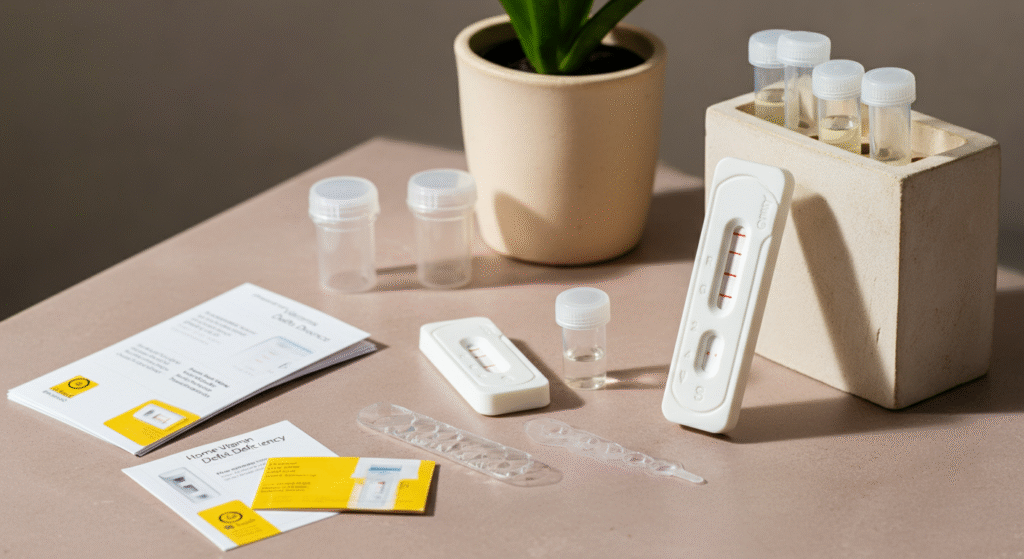
One of the best parts about the DUTCH test is its convenience. It’s a non-invasive, at-home test kit. Instead of scheduling multiple lab visits, you simply collect a few urine samples on filter paper from the comfort of your own home and mail them back to the lab for analysis. This simplicity makes it a far more accessible option for gathering detailed hormonal data.
Key Hormones the DUTCH Test Measures
The DUTCH test provides a wealth of information that goes far beyond basic hormone levels. It analyzes not just the hormones themselves but also their metabolites, which are the byproducts created when your body breaks them down. This gives you a more complete picture of your hormonal health.
Here are the main markers the test examines:
- Cortisol: Known as the primary stress hormone, cortisol follows a natural 24-hour rhythm. The test measures your “cortisol awakening response”—the sharp rise in cortisol that should occur upon waking—as well as its levels throughout the day. An abnormal pattern can explain issues with energy, sleep, and stress resilience.
- Sex Hormones: The test provides a detailed analysis of key sex hormones, including estrogens (E1, E2, E3), progesterone, and androgens (like testosterone and DHEA). Critically, it also shows how your body is metabolizing these hormones, revealing whether they are being broken down through healthy or potentially problematic pathways.
- Melatonin: This hormone regulates your sleep-wake cycle. The DUTCH test measures your melatonin levels to provide insights into your sleep quality.
- Nutritional Markers & Neurotransmitters: The test also includes organic acid tests (OATs) that act as markers for key nutrients like vitamins B12 and B6, and antioxidants like glutathione. It also provides information on markers for neurotransmitters such as dopamine and norepinephrine, which influence mood and focus.
Why Choose the DUTCH Test Over Other Methods?
With blood, saliva, and urine testing options available, it can be confusing to know which is best. The DUTCH test stands out for several key reasons, making it a preferred choice for many functional medicine practitioners.
As one practitioner puts it, “The DUTCH test gives us a level of detail that is simply not available with other forms of testing. We can see not only the quantity of hormones but the quality of their metabolism. This is often the missing link for patients who have ‘normal’ blood tests but still feel unwell.”
Let’s break down the advantages:
Comprehensive View
A standard blood test might tell you how much estrogen you have, but the DUTCH test shows you how your body is using it. Think of it like this: it’s not just about knowing how many cars are on the highway (the parent hormone), but where they are going, how fast they’re moving, and whether they’re causing traffic jams (the metabolites). This insight is crucial for understanding risks related to conditions like estrogen dominance.
Convenience
The at-home collection process is a significant benefit. It eliminates the need for multiple trips to a lab for blood draws and is far less invasive. For anyone with a busy schedule or a fear of needles, the ease of collecting dried urine samples at home makes sophisticated hormone testing far more approachable.
Daily Rhythm Tracking
Hormones are not static. A single blood test for cortisol, usually taken in the morning, misses the full picture. The DUTCH test’s multiple collection points map out your cortisol curve from morning to night. This is essential for identifying issues often labeled as “adrenal fatigue,” where the daily pattern of cortisol—not just a single value—is the key to understanding symptoms like midday slumps and evening energy surges.
Who Should Consider a DUTCH Test?
While anyone can benefit from a deeper understanding of their hormones, the DUTCH test is particularly valuable for individuals experiencing specific health challenges. You might want to consider this test if you are dealing with:
- Persistent fatigue, burnout, or symptoms commonly associated with “adrenal fatigue.”
- Chronic sleep issues, such as difficulty falling asleep, staying asleep, or feeling unrested upon waking.
- Women’s health issues like PCOS, endometriosis, severe PMS, painful periods, or fertility challenges.
- Unexplained weight gain or difficulty losing weight, especially around the midsection.
- Persistent mood swings, anxiety, depression, or brain fog.
- A general desire to optimize your health and get a baseline understanding of your unique hormonal landscape for preventative care.
Understanding Your DUTCH Test Results
When you receive your DUTCH test results, you’ll get a multi-page report filled with graphs, dials, and data. At first glance, it can look intimidating, but it’s designed to be interpreted with a qualified practitioner who can translate the information into a personalized health plan.
Here’s a breakdown of what you’ll see:
- Cortisol Graph: This visual chart plots your free cortisol levels throughout the day, often showing your results against a normal reference range. An ideal curve starts high in the morning and gradually tapers off by bedtime.
- Hormone Dials: The report uses visual “dials,” much like a speedometer, to show where your hormone and metabolite levels fall within the optimal range. This makes it easy to see if a specific hormone is high, low, or just right.
- Metabolite Pathways: This is one of the most powerful sections. The report includes diagrams that illustrate how your hormones are being broken down. For example, it shows whether your estrogen is being metabolized down protective pathways or pathways that are associated with higher health risks.
It’s essential to review these results with a doctor or functional medicine practitioner. They can connect the dots between your symptoms and your test results to create an effective, targeted treatment plan.
Actionable Steps After Your Test
A DUTCH test doesn’t just give you data; it gives you direction. Based on your results, a practitioner can recommend specific, targeted interventions.
For example:
- If you have high cortisol: Your plan might focus on stress management techniques like meditation or yoga, incorporating adaptogenic herbs like Ashwagandha, or modifying your exercise routine to be less strenuous.
- If you have low progesterone: Recommendations could include dietary changes to support progesterone production, supplementation with nutrients like vitamin C and zinc, or in some cases, the use of bio-identical progesterone.
- If you show signs of estrogen dominance: Your practitioner might suggest lifestyle changes to support liver detoxification and gut health, along with strategies to reduce exposure to environmental estrogens found in plastics and personal care products.
Take the First Step Toward Hormonal Harmony
The DUTCH test is a powerful, convenient, and deeply insightful tool for anyone struggling with a potential hormone imbalance. By going beyond simple hormone levels to reveal how your body is actually using and metabolizing them, it provides a clear roadmap for reclaiming your health. It empowers you with the knowledge needed to move from guessing to targeted, effective action.
If you’re ready to stop wondering and start understanding what’s truly going on inside your body, it’s time to take the next step. Speak with a qualified functional medicine practitioner to determine if the DUTCH test is the right choice for you and begin your journey toward hormonal balance.