From boundless energy to a robust immune system, vitamins are the microscopic fuel that keeps our bodies running smoothly. But even with a healthy diet, it’s often difficult to know if you are truly getting enough of these essential nutrients. Are you actually absorbing that Vitamin D supplement? Is your fatigue due to a lack of B12 or just a lack of sleep?
While many people turn to daily multivitamins as an insurance policy, guessing your nutritional needs can be inefficient—and sometimes even risky. This is where vitamin tests come in. They take the guesswork out of nutrition, offering concrete data about what is happening inside your body.
However, not all tests are created equal. You might have encountered options ranging from traditional blood draws to mailing in a snippet of hair or spitting into a tube. Understanding the differences between blood, hair, and saliva tests is key to choosing the right tool for your health goals. This guide breaks down how each method works, their specific pros and cons, and which might be the best fit for you.
Blood Tests
When most healthcare professionals talk about checking nutrient levels, they are referring to blood tests. This method measures the concentration of vitamins currently circulating in your bloodstream. It essentially provides a snapshot of your recent nutrient intake and current status, allowing doctors to see exactly what is available to your cells right now.
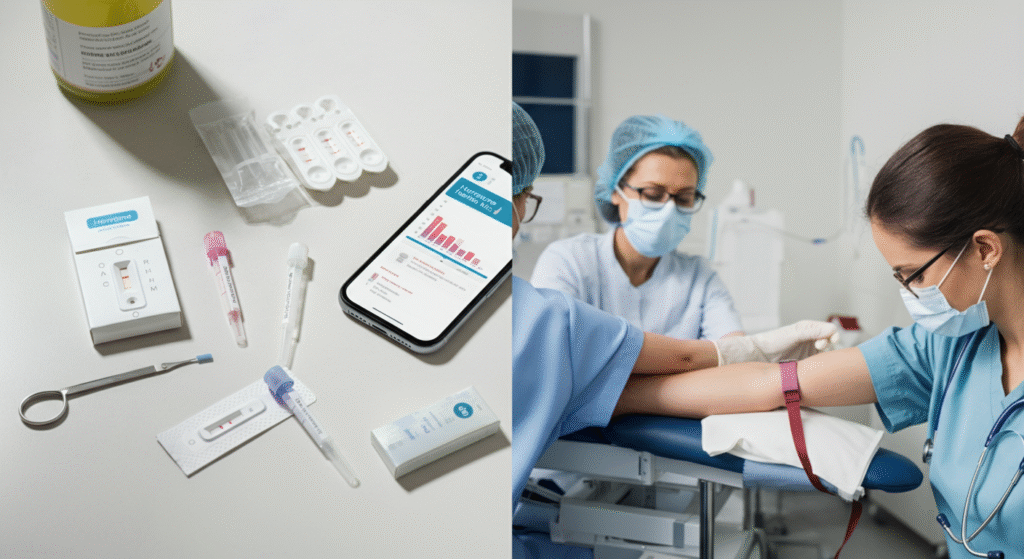
The process is straightforward but clinical. A phlebotomist draws a small sample of blood from a vein, usually in your arm, which is then sent to a laboratory for analysis. Because blood transports nutrients to tissues throughout the body, it gives a direct reading of systemic levels.
Pros of Blood Testing
- Accuracy and Reliability: For most major vitamins—such as Vitamin D, B12, and Folate—blood testing is widely considered the most accurate method. It is the diagnostic tool of choice in hospitals and clinics.
- Scientific Backing: This method is supported by decades of extensive scientific research. Established reference ranges exist for almost every nutrient, making it easy to interpret results and identify deficiencies.
- Comprehensive Detection: Blood tests can effectively detect both dangerous deficiencies and potential toxicities (excess levels), which is particularly important for fat-soluble vitamins like A and E that can accumulate in the body.
Cons of Blood Testing
- Invasiveness: For those with a fear of needles, this is a significant drawback. It can be uncomfortable and invasive compared to other methods.
- Short-Term View: Because blood reflects what is currently circulating, results can sometimes be influenced by a recent meal or a supplement you took yesterday. It captures a “moment in time” rather than a long-term average.
- Cost and Convenience: These tests generally require a visit to a clinic or lab and can be more expensive than at-home alternatives.
| Common Vitamins Best Measured by Blood |
|---|
| Vitamin D (25-Hydroxy) |
| Vitamin B12 |
| Folate (Vitamin B9) |
| Iron (Ferritin) |
| Magnesium (Serum or RBC) |
Hair Tests
If a blood test is a snapshot, a hair test is more like a time-lapse video. Hair analysis measures mineral and vitamin levels over a longer period—typically the last 90 days. As hair grows, blood vessels at the root feed the hair shaft, depositing nutrients (and toxins) into the protein structure. Once the hair emerges from the scalp, that chemical record is locked in.
The procedure is simple and non-invasive. You cut a small sample of hair, usually from the back of the head close to the scalp, and mail it to a lab. This makes it a popular choice for functional medicine practitioners looking for patterns over time.
Pros of Hair Analysis
- Non-Invasive: There are no needles involved, making it an excellent option for children or those with needle phobias. It can easily be done at home.
- Long-Term Trends: Because hair grows slowly, it provides a three-month average of your nutritional status. This makes the results less susceptible to daily dietary fluctuations or that one vitamin pill you remembered to take this morning.
- Heavy Metal Detection: Hair analysis is uniquely powerful at identifying exposure to toxic heavy metals like lead, mercury, and arsenic, which can displace minerals in the body.
Cons of Hair Analysis
- Limited Scope for Vitamins: While excellent for minerals like magnesium, calcium, and zinc, hair analysis is less scientifically validated for measuring many vitamin levels compared to blood tests.
- External Contamination: Your hair is exposed to the world. Shampoos, conditioners, dyes, and even air pollution can alter the chemical composition of the hair strand, potentially skewing results.
- Water-Soluble Limitations: It is generally not effective for measuring water-soluble vitamins (like Vitamin C or B complex) because they do not accumulate in hair the way minerals do.
Saliva Tests
Saliva testing operates on a different principle. While less common for general vitamin screening, it plays a specific niche role. A saliva test measures the levels of “bioavailable” hormones and certain markers that can be linked to vitamin status. “Bioavailable” refers to the amount of a substance that is actively available for use by the body’s tissues, rather than just floating in the blood bound to proteins.
Collecting the sample is arguably the easiest of all three methods: you simply spit into a tube.
Pros of Saliva Testing
- Painless and Stress-Free: It is completely non-invasive.
- Tracking Fluctuations: Because it’s so easy to collect, you can take multiple samples throughout the day. This is crucial for tracking hormones that fluctuate with your circadian rhythm, like cortisol (the stress hormone), which is heavily influenced by B-vitamins and magnesium.
- Hormonal Accuracy: It is considered highly accurate for measuring steroid hormones like cortisol, estrogen, and testosterone. Since hormone function and vitamin status are deeply interconnected, this can provide indirect but valuable insights.
Cons of Saliva Testing
- Niche Application: This is not the standard method for a broad spectrum vitamin panel. If you want to know your Vitamin D or Iron levels, a saliva test is rarely the right tool.
- Lower Concentrations: Vitamin concentrations in saliva are much lower than in blood, which can make accurate measurement technically challenging for general nutrient screening.
- Developing Science: While established for hormones, the scientific consensus on the reliability of saliva testing for a wide range of vitamins is still evolving.
Which Test is Right for You?
Choosing the right vitamin test depends entirely on what you are trying to find out. Here is a quick breakdown to help you compare.
| Feature | Blood Test | Hair Analysis | Saliva Test |
|---|---|---|---|
| What it Measures | Current, circulating levels (Snapshot) | Average levels over ~3 months (History) | Bioavailable levels & hormones |
| Invasiveness | High (Needle draw) | None (Hair snip) | None (Spit into tube) |
| Accuracy | High (Gold standard for vitamins) | High for minerals & metals; Lower for vitamins | High for hormones; Variable for vitamins |
| Best For | Clinical diagnosis of deficiency | Identifying mineral imbalances & heavy metals | Hormonal health & stress profiling |
Making an Informed Choice regarding Vitamin Tests
Navigating the world of health metrics can be overwhelming, but understanding the tools available puts you in control.
If you need a definitive diagnosis for a deficiency—like suspecting low iron or Vitamin D—a blood test remains the most reliable and actionable choice. It provides the medical-grade data necessary for a doctor to prescribe supplements or dietary changes.
For those interested in a broader picture of their mineral balance or concerned about environmental toxins, a hair analysis offers a fascinating look at your long-term health trends.
Finally, if your concerns are rooted in stress, fatigue, or hormonal imbalances, a saliva test might uncover the root cause that standard vitamin tests miss.
There is no single “best” test for everyone. The right choice depends on your specific health goals and what you need to measure. Before purchasing an at-home kit, consider consulting with a healthcare professional or a qualified nutritionist. They can help you interpret the results and translate data into a plan that truly improves your well-being.