You felt it the moment you stood up this morning—a tight, swollen knot behind your knee that makes every step feel stiff and awkward. Maybe you’ve been dealing with knee pain for months, or maybe this popped up after a weekend hike. Either way, you’re now stuck with what doctors call a Baker’s cyst (also known as a popliteal cyst), and it’s putting your active life on pause.
Here’s the frustrating part: rest alone won’t fix this fast. You need support that reduces the swelling without crushing the fluid-filled sac itself. That’s where the right medical devices come in—knee braces, cold therapy wraps, and even clinical tools that help drain the cyst and speed up recovery.
This guide breaks down the best recovery gear and medical devices for managing a Baker’s cyst, so you can get back to moving without the constant throbbing behind your knee.
What Is a Baker’s Cyst and How Do Recovery Devices Help?
A Baker’s cyst forms when extra synovial fluid (the lubricating liquid in your knee joint) gets pushed out the back of your knee and pools in a small sac called the popliteal bursa. Picture a water balloon forming right behind your kneecap—that’s essentially what’s happening.
This usually happens because something else is wrong inside your knee. The most common culprits are:
- Meniscus tears: A torn meniscus acts like a one-way valve, pushing fluid backward
- Osteoarthritis: Worn-down cartilage causes inflammation and excess fluid production
- Rheumatoid arthritis: Chronic joint inflammation leads to fluid buildup
According to the American Academy of Orthopaedic Surgeons, Baker’s cysts most often show up in adults aged 35 to 70, especially those with a history of knee injuries or degenerative joint disease.
How Recovery Devices Work
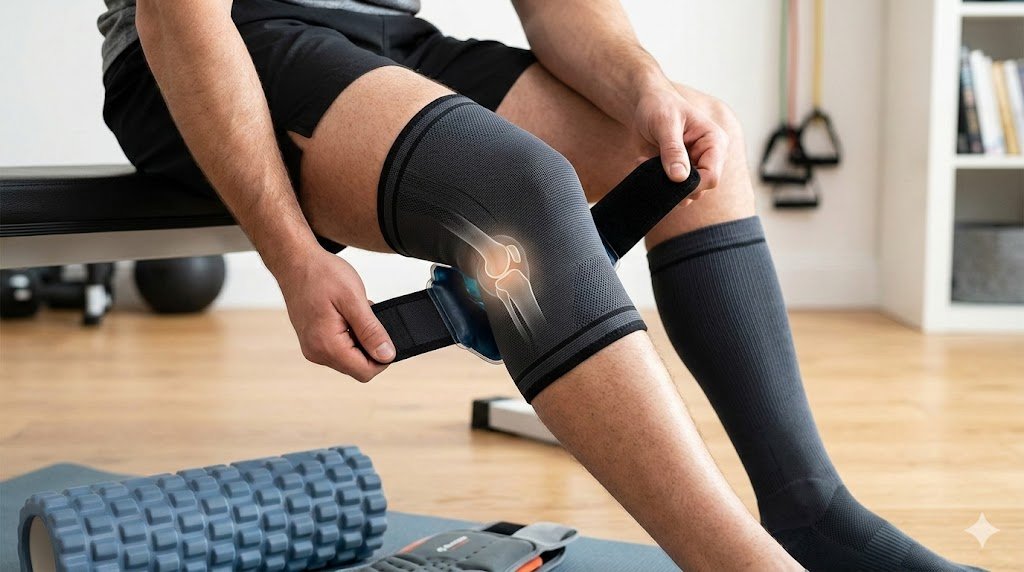
The standard treatment follows the R.I.C.E. method (Rest, Ice, Compression, Elevation). Medical devices automate and amplify the “Ice” and “Compression” parts of this equation.
Here’s what happens:
- Compression mechanically pushes fluid back toward the joint and improves circulation
- Cold therapy constricts blood vessels, reducing inflammation and numbing pain
- Stabilization (from braces) prevents the knee from twisting or hyperextending, which can make the cyst worse
The right gear doesn’t cure the underlying problem—you’ll still need to address that meniscus tear or arthritis—but it makes day-to-day life manageable while your knee heals.
Best At-Home Recovery Gear & Medical Devices for a Baker’s Cyst
1. Knee Braces with Targeted Compression (The Foundation)
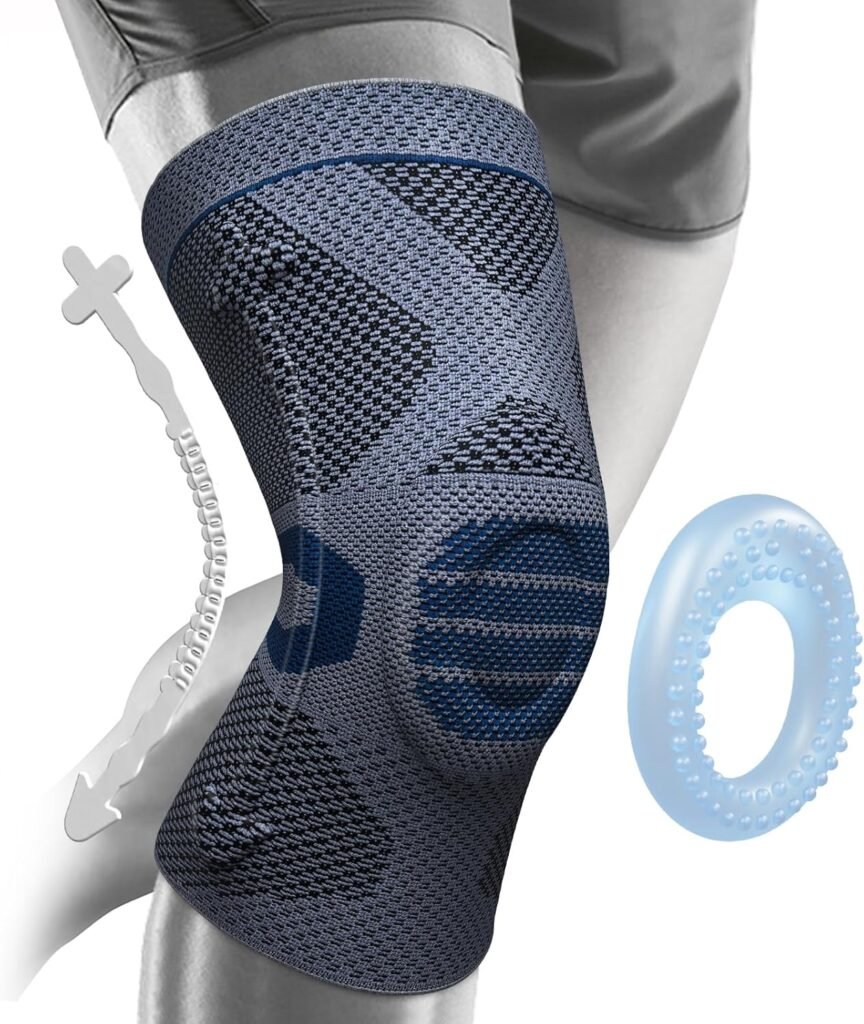
Why they work: Medical-grade compression helps reabsorb excess fluid by applying steady, graduated pressure around your knee. This pushes the pooled synovial fluid back into circulation instead of letting it sit stagnant in the bursa.
The catch: Not all knee braces work for Baker’s cysts. If you strap on a standard sleeve that wraps tightly around the entire knee, it can squeeze the cyst directly and make the pain worse. You need a brace with one of these design features:
- Open popliteal fossa: A cutout or open-back design that leaves the back of your knee exposed
- Omega pad: An anatomically shaped cushion that distributes pressure around (not on) the cyst
What to look for:
- Hinged braces with polycentric reinforcements: Best if your cyst is linked to a ligament injury or severe instability. These braces have metal side hinges that mimic your knee’s natural movement while preventing dangerous twisting.
- Lightweight compression sleeves: Look for moisture-wicking materials like Merino wool or breathable neoprene. These are ideal for daily wear under pants and provide 20-30 mmHg of compression without feeling restrictive.
If your knee feels wobbly or you’ve had a meniscus tear, go with the hinged option. If you just need gentle support for mild swelling, a simple compression sleeve will do the job.
2. Cold Therapy Compression Sleeves (Cryotherapy)
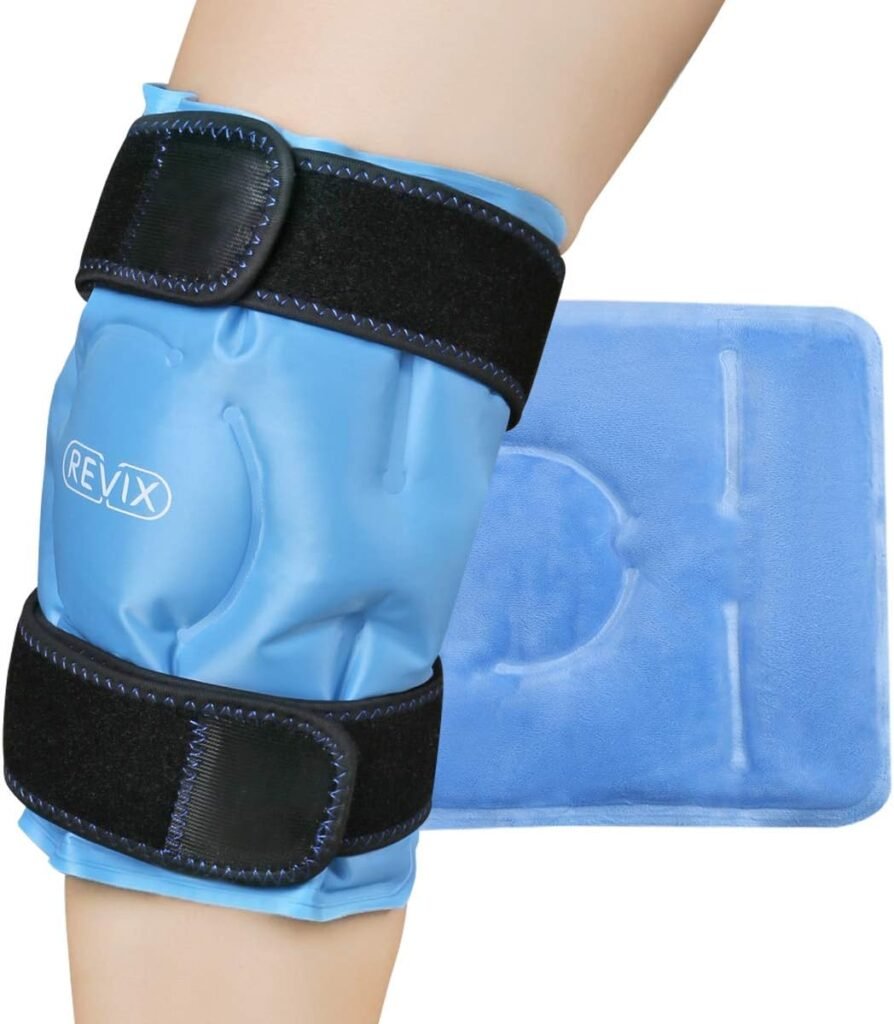
Why they work: Ice causes vasoconstriction—your blood vessels shrink, which dramatically reduces inflammation and numbs the area. The Cleveland Clinic recommends icing a Baker’s cyst as part of the standard treatment protocol.
The problem with DIY ice packs: Holding a bag of frozen peas against the back of your knee for 20 minutes is annoying, messy, and ineffective. The ice doesn’t stay in place, and it doesn’t compress the joint.
The better solution: Cold therapy sleeves combine 360-degree gel packs with built-in compression. Brands like Freeze Sleeve and Cold One wrap completely around your knee, delivering consistent cold while gently squeezing the joint.
How to use them:
- Store the sleeve in your freezer
- Wrap it around your knee for 15-20 minutes at a time
- Repeat 3-4 times per day, especially after any activity
Pro tip: Look for sleeves with adjustable Velcro straps. This lets you control the compression level and ensures the cold pack stays centered on the back of your knee.
3. TENS Units and Muscle Stimulators
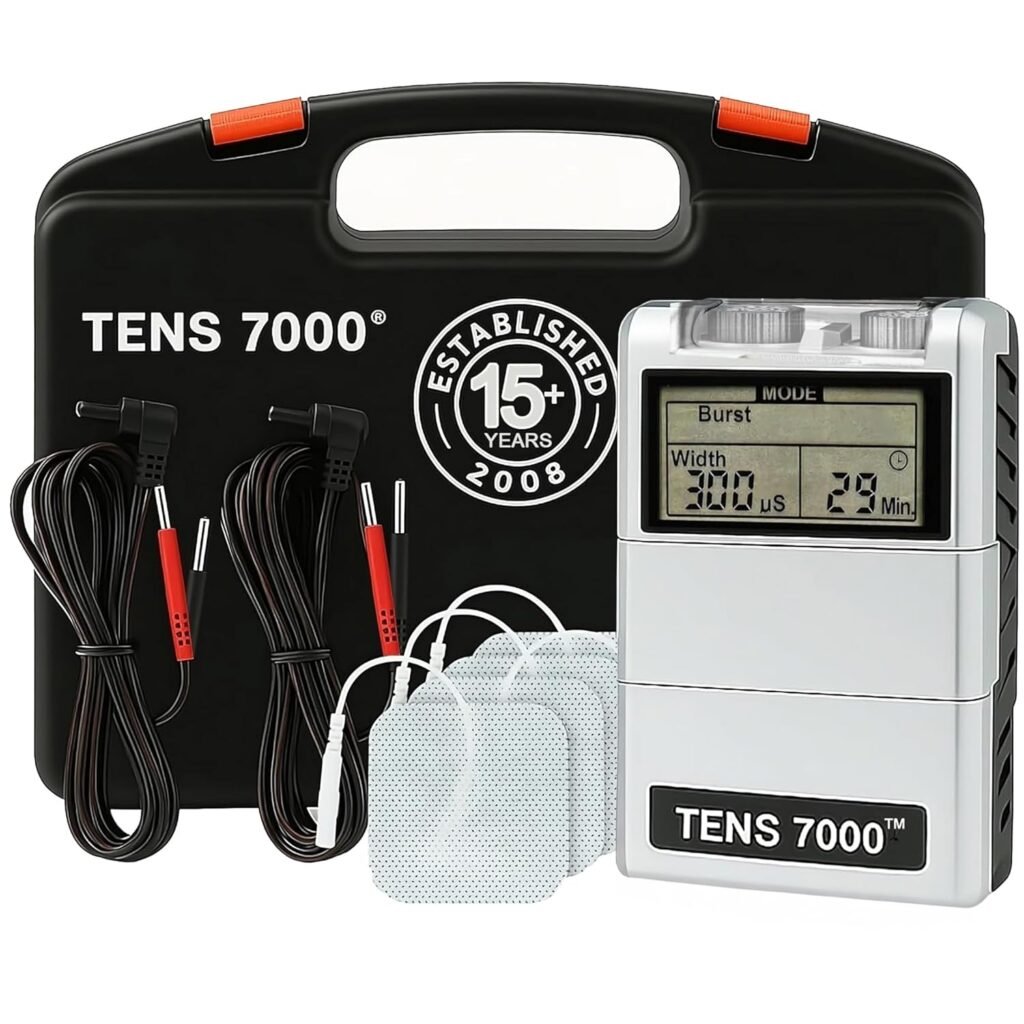
Why they work: TENS (Transcutaneous Electrical Nerve Stimulation) devices send mild electrical pulses through your skin to block pain signals from reaching your brain. It’s like tricking your nervous system into ignoring the discomfort.
The bonus benefit: Beyond pain relief, TENS units can gently stimulate the muscles around your knee—your quadriceps and hamstrings. This creates a “muscle pump” effect that helps disperse the pooled fluid without requiring you to do high-impact exercises.
What to look for:
- Portable, rechargeable units with adhesive electrode pads
- Multiple intensity settings so you can adjust the stimulation level
- Pre-programmed modes for joint pain or muscle recovery
Place the electrode pads on your thigh (above the knee) and upper calf (below the cyst). Never place pads directly on the back of your knee where the cyst is located.
4. Percussion Massagers (Use with Caution)
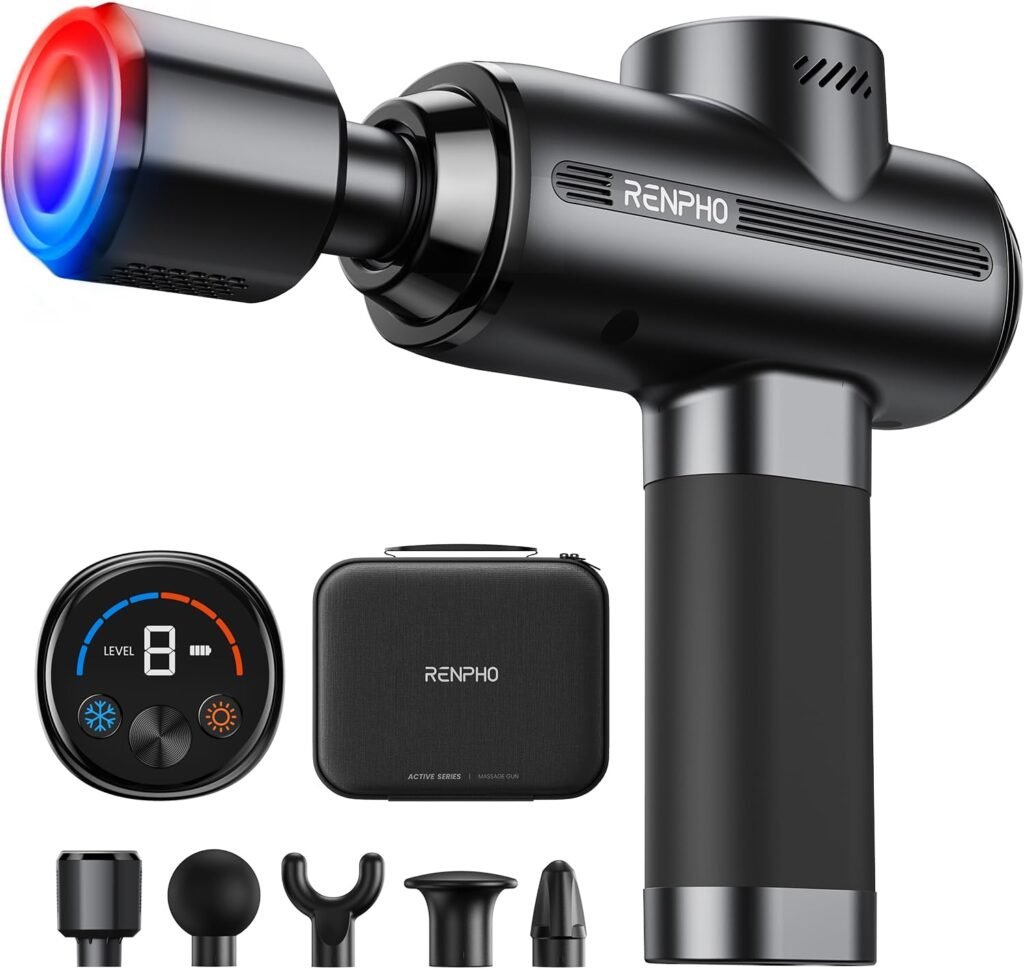
Why they work: Massage guns (like Theragun or Hypervolt) relieve the intense muscle tension in your calves and hamstrings that often accompanies a knee injury. Tight muscles can pull on your knee joint and make the cyst feel worse.
The warning: Never use a massage gun directly on the Baker’s cyst or the back of your knee. According to StatPearls, a ruptured Baker’s cyst can cause sharp pain, swelling in your calf, and symptoms that mimic a blood clot. Pounding on the cyst with a percussion device is one of the fastest ways to make it burst.
How to use them safely:
- Work on the muscles above and below the cyst (quads, hamstrings, calves)
- Use the lowest speed setting and a softer attachment head
- Limit sessions to 1-2 minutes per muscle group
Think of the massage gun as a way to relax the surrounding tissue, not as a tool to “break up” the cyst itself.
Clinical Medical Devices Used by Professionals
If at-home devices aren’t enough, your doctor may recommend one of these clinical treatments:
Ultrasound-Guided Aspiration
This is the gold standard for draining a large, painful Baker’s cyst. Your doctor uses a high-frequency ultrasound machine to see the cyst in real time, then guides a needle into the sac to suction out the fluid. They may also inject a corticosteroid to reduce inflammation.
The Mayo Clinic notes that aspiration provides immediate relief, but the cyst can return if the underlying knee problem (like a meniscus tear) isn’t addressed.
Extracorporeal Shockwave Therapy (ESWT)
ESWT uses acoustic energy waves to stimulate new blood vessel formation and reduce inflammation in your knee joint. Some research suggests it can help manage osteoarthritis, which is a common cause of Baker’s cysts. However, evidence for using ESWT directly on cysts is still limited.
Low-Level Laser Therapy (LLLT)
Also called cold laser therapy, LLLT uses focused light to stimulate cellular repair and reduce pain. Doctors sometimes use this as a non-invasive option for chronic knee inflammation. Like ESWT, it’s not a first-line treatment for Baker’s cysts, but it may help manage the underlying arthritis.
What to Look for When Choosing a Knee Brace for a Baker’s Cyst
Use this quick checklist when shopping:
Open-back design or Omega pad: The brace must avoid putting direct pressure on the cyst. Look for products that specifically mention “popliteal relief” or “open fossa.”
Medical-grade compression: Aim for 20-30 mmHg of graduated compression. This level actively reduces swelling without cutting off circulation.
Hinged support: If your cyst is caused by a meniscus tear or ligament instability, get a brace with lateral hinges. These prevent your knee from twisting or hyperextending.
Moisture-wicking fabric: You’ll be wearing this all day. Materials like breathable neoprene or Merino wool prevent sweat buildup and skin irritation.
Adjustable straps: Non-slip Velcro straps let you customize the fit and keep the brace from sliding down your leg.
Frequently Asked Questions (FAQ)
Can a tight knee sleeve make a Baker’s cyst worse?
Yes. If the sleeve applies direct, restrictive pressure to the back of your knee, it can squeeze the cyst and increase pain. You need a device specifically designed with an open popliteal area or targeted 3D-knit compression that distributes pressure evenly.
Should I use heat or ice for a Baker’s cyst?
Ice is generally recommended. Cold therapy reduces swelling and inflammation. Heat can draw more fluid to the area, potentially making the cyst larger. Stick with ice packs or cold compression sleeves for the first few weeks.
Is walking good for a Baker’s cyst?
Light, low-impact walking with proper joint support (like a brace) can help maintain mobility and prevent your knee from stiffening up. However, avoid high-impact activities like running or jumping until the underlying cause is resolved. The American Academy of Orthopaedic Surgeons recommends modifying your activity level during recovery.
Can a Baker’s cyst burst?
Yes. If you feel sudden, sharp pain in your calf followed by swelling or a sensation like water trickling down your leg, the cyst may have ruptured. This can mimic symptoms of a blood clot (deep vein thrombosis). Seek medical attention immediately if you experience these symptoms, as a ruptured cyst can lead to complications like compartment syndrome or nerve damage.
How long does a Baker’s cyst take to heal?
It depends on what caused it. Most cysts improve within a few weeks once you address the underlying issue (like a meniscus tear or arthritis). Your body will gradually reabsorb the fluid as inflammation decreases. Following your doctor’s treatment plan and using the right recovery devices can speed up the process.
Get Moving Again—With the Right Support
Managing a Baker’s cyst is a two-part process. First, work with your doctor to diagnose and treat the root cause, whether that’s a torn meniscus, osteoarthritis, or another knee injury. Second, use the right daily recovery gear—compression braces with open-back designs, cold therapy sleeves, and TENS units—to stay mobile and pain-free while your knee heals.
The key is choosing devices that support your knee without crushing the cyst itself. With the right tools and a solid treatment plan, you can get back to your normal routine without that constant, nagging tightness behind your knee.
Sources
- Mayo Clinic. “Baker Cyst – Diagnosis and Treatment.” Last updated September 27, 2022.
- American Academy of Orthopaedic Surgeons (AAOS). “Baker’s Cyst (Popliteal Cyst).” OrthoInfo. Contributed and updated July 10, 2024; peer-reviewed April 9, 2025.
- Cleveland Clinic. “Baker Cyst (Popliteal Cyst): Symptoms, Causes & Treatment.” Last updated July 9, 2025.
- Leib AD, Roshan A, Foris LA, Varacallo MA. “Baker’s Cyst.” StatPearls. Updated August 4, 2023. Treasure Island (FL): StatPearls Publishing; 2025 Jan-.