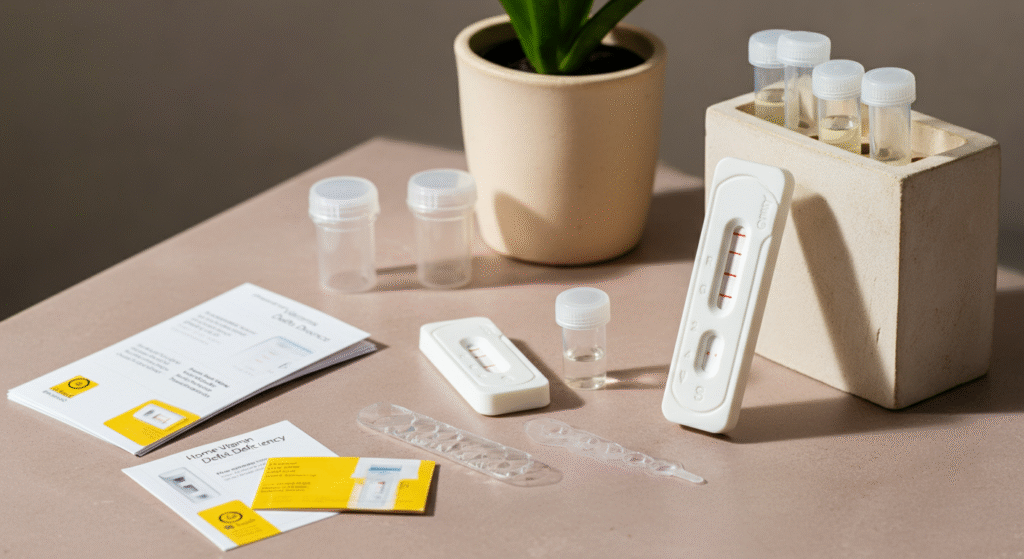
The constant sneezing, the mysterious rash that appears out of nowhere, or the digestive discomfort after a meal—living with unexplained symptoms can be incredibly frustrating. If you suspect you have an allergy but can’t pinpoint the cause, you’re not alone. The good news is that you don’t have to keep guessing. Modern medicine offers several effective allergy tests designed to identify your specific triggers.
This guide will demystify the different types of allergy tests available. We’ll explore the three most common methods: the skin prick test, the allergy blood test, and the patch test. By understanding how each test works, what it detects, and its pros and cons, you’ll be better prepared to have an informed conversation with your doctor. This knowledge is the first step toward getting a clear diagnosis and finding the relief you deserve.
What Are Allergy Tests and Why Do You Need Them?
An allergy test is a medical procedure used by healthcare professionals to determine if your body has an allergic response to a specific substance, known as an allergen. When you have an allergy, your immune system overreacts to a normally harmless substance, releasing chemicals like histamine that cause allergic symptoms.
Getting tested is crucial for several reasons. It provides a definitive allergy diagnosis, which is essential for managing your health effectively. Once you know your specific triggers, you can take steps to avoid them. This information also allows your doctor to create a targeted treatment plan, which might include medication, lifestyle changes, or immunotherapy.
Many common symptoms can prompt a visit to an allergist for testing for allergies. These include:
- Hay fever symptoms (sneezing, itchy eyes, runny nose)
- Asthma (wheezing, shortness of breath)
- Hives or rashes
- Eczema (atopic dermatitis)
- Digestive problems (cramping, diarrhea) after eating certain foods
- Swelling of the lips, tongue, or face
The Skin Prick Test
The skin prick test, also called a puncture or scratch test, is one of the most common and quickest methods for allergy testing. It’s often the first step doctors take when they suspect an allergy to common substances.
How It Works
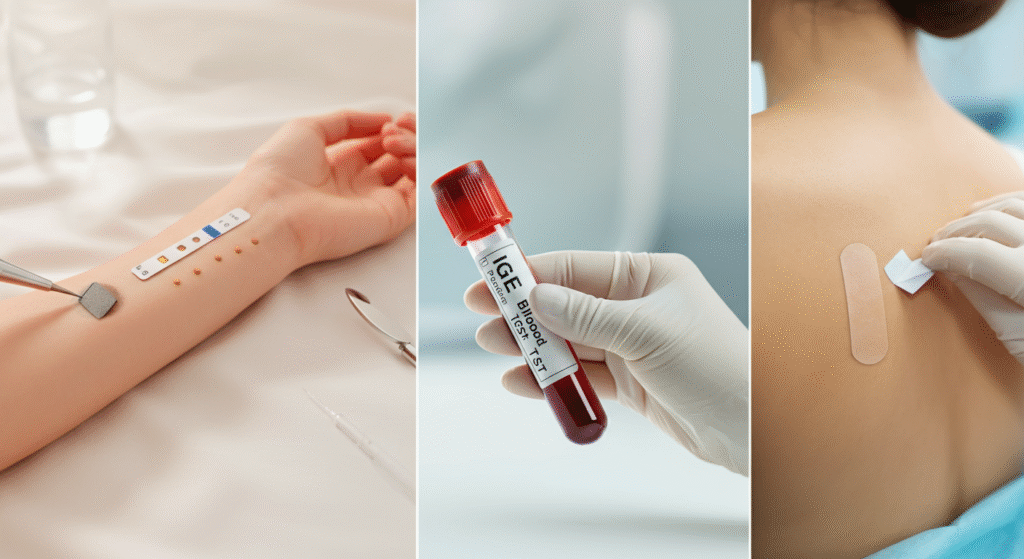
The process is straightforward. A healthcare provider will place small drops of various suspected allergens on your skin, usually on your forearm or back. They will then gently prick or scratch the skin through each drop with a tiny, sterile probe. This allows a minuscule amount of the allergen to enter the skin.
If you are allergic, your body will react within 15 to 20 minutes. The reaction typically appears as a raised, red, itchy bump called a wheal, which looks similar to a mosquito bite. The size of the wheal can help indicate the level of your sensitivity to that allergen.
What It Detects
The skin prick test is highly effective for identifying immediate allergic reactions. It’s most commonly used to test for allergies to:
- Airborne substances (pollen, mold, dust mites, pet dander)
- Foods (peanuts, milk, eggs, shellfish)
- Insect stings (bees, wasps)
- Certain medications (like penicillin)
Pros and Cons
Pros:
- Fast Results: You get answers within 20 minutes.
- Cost-Effective: It’s generally less expensive than other methods.
- Sensitive: It is a very reliable way to confirm common allergies.
Cons:
- Not for Everyone: It isn’t suitable for individuals with severe skin conditions like eczema or psoriasis covering the test area.
- Medication Interference: You must stop taking antihistamines and certain other medications for several days before the test, as they can interfere with the results.
- Small Risk: Although rare, there is a small risk of a severe allergic reaction (anaphylaxis), which is why testing is always done in a controlled medical setting.
The Allergy Blood Test
When a skin test isn’t a good option, an allergy blood test (such as an IgE blood test) provides a valuable alternative for allergy diagnosis.
How It Works
This test involves a simple blood draw from a vein in your arm. The sample is then sent to a laboratory, where it’s analyzed for the presence of specific allergy-causing antibodies called Immunoglobulin E (IgE). Your immune system produces IgE antibodies in response to allergens. The lab measures the amount of IgE antibodies that react to specific substances. Higher levels of IgE linked to a particular allergen suggest you have an allergy to it.
What It Detects
An IgE blood test can detect a wide range of allergies, similar to a skin prick test. It is particularly useful for patients who cannot stop taking their medications or have skin conditions that would interfere with a skin prick test. It’s a reliable method for identifying food, pollen, pet dander, and other common allergens.
Pros and Cons
Pros:
- Convenient: It can be done at any time, regardless of skin condition or medications you’re taking.
- Safe: There is no risk of an allergic reaction, as you aren’t exposed to any allergens. It only requires a single needle stick.
- Comprehensive: A single blood sample can be used to test for many different allergens.
Cons:
- Slower Results: It can take several days to a few weeks to get the results back from the lab.
- Higher Cost: Blood tests are often more expensive than skin prick tests.
- Slightly Less Sensitive: In some cases, blood tests may be slightly less sensitive than skin tests for detecting certain allergies.
The Patch Test
Unlike the other tests, the patch test is not designed to find the cause of hives or hay fever. Instead, it is the go-to method for identifying the culprit behind contact dermatitis—an allergic reaction that appears on your skin after direct contact with a substance.
How It Works
In a patch test, small chambers containing potential allergens are taped to your back. These allergens can include metals (like nickel), fragrances, preservatives, hair dyes, and chemicals found in cosmetics or lotions.
The patches remain on your skin for about 48 hours, and you must keep the area dry during this time. After two days, you return to the doctor’s office to have the patches removed. The doctor will examine your skin for any reactions, such as a rash, bumps, or blisters. A final reading is usually done another one to two days later, as some reactions can be delayed.
What It Detects
The patch test is the gold standard for diagnosing allergic contact dermatitis. It can pinpoint the exact substance that causes your skin to react, helping you avoid it in the future.
Pros and Cons
Pros:
- Accurate Diagnosis: It’s the most reliable way to identify triggers for contact dermatitis.
- Identifies Specific Chemicals: It can test for a wide array of common chemical and metal allergens.
Cons:
- Lengthy Process: The entire process takes several days and requires multiple visits to the doctor.
- Inconvenient: You must avoid showering and heavy sweating to ensure the patches stay in place and the test area remains dry.
- Discomfort: Some people may experience itching or discomfort from the patches.
Chart: Comparing the Different Allergy Tests
| Test Type | How It Works | Best For | Result Time | Key Considerations |
|---|---|---|---|---|
| Skin Prick Test | A tiny amount of allergen is pricked into the skin. A reaction (wheal) indicates an allergy. | Airborne allergens, foods, insect stings. | 15–20 minutes | Must stop antihistamines. Not for severe skin conditions. |
| Allergy Blood Test | A blood sample is tested for IgE antibodies to specific allergens. | Wide range of allergens; for those who can’t do skin tests. | Days to weeks | No need to stop medications. More expensive. |
| Patch Test | Patches with allergens are applied to the skin to check for a delayed reaction. | Contact allergies (metals, fragrances, chemicals). | 48–96 hours | Requires multiple doctor visits. Test area must be kept dry. |
Take the First Step to Relief
Understanding the key differences between a skin prick test, an allergy blood test, and a patch test allows you to see how your doctor might approach your symptoms. Each test serves a unique purpose, and the right one for you will depend on your symptoms, medical history, and lifestyle.
Instead of trying to manage your symptoms without a clear diagnosis, take control of your health. Schedule a consultation with a healthcare professional or an allergist. They can help you review your symptoms and decide which of these allergy tests is the best next step on your journey to feeling better.
Further Reading:
- How to Prepare for an Allergy Test
- Living with Common Allergies: A Survival Guide