If you are feeling unusually tired, struggling with a low mood, or catching every cold that goes around, your vitamin D levels might be running low.
Vitamin D deficiency is incredibly common, especially during the darker winter months or if you spend most of your time indoors. But you do not have to guess if you are running low.
Taking a vitamin D test kit at home is a simple, private way to find out exactly what is going on inside your body. You skip the waiting room and get answers quickly.
In this guide, we will explore the best at-home vitamin D test kits available in 2026. We will show you how accurate they are, how to choose the right one, and what your results actually mean.
What Is an At-Home Vitamin D Test Kit?
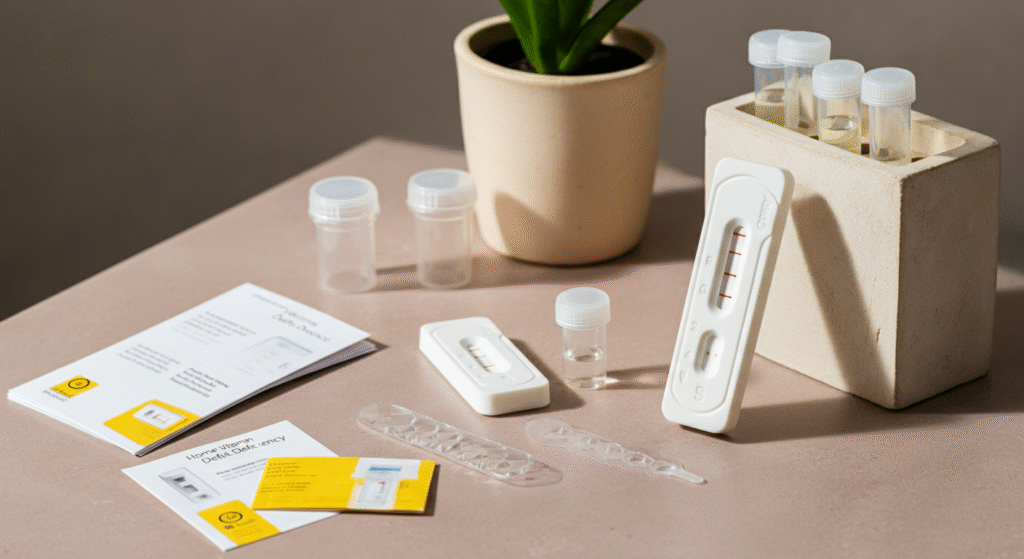
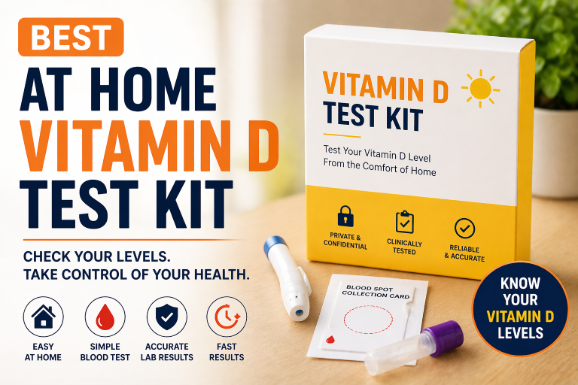
An at-home vitamin D test kit is a small package mailed directly to your door that lets you check your nutrient levels without visiting a clinic. It gives you everything you need to collect a tiny sample of your blood safely.
These kits specifically measure 25-hydroxyvitamin D. That is the medical name for the form of vitamin D that circulates in your blood.
Checking this level matters because vitamin D helps your body absorb calcium, keeps your bones strong, and supports a healthy immune system.
How Do At-Home Vitamin D Tests Work?
Using a home blood test for vitamin D is easier than you might think. Most kits use a simple finger-prick method.
You use a small, spring-loaded tool called a lancet to quickly prick your fingertip. Then, you place a few drops of blood onto a special card or into a tiny tube.
Once your sample is ready, you pack it up in the provided prepaid envelope and drop it in the mail. A certified lab will analyze your sample, and you usually get your digital results within a few days.
What Do Vitamin D Test Results Mean?
When you get your results, you will usually see a number measured in nanograms per milliliter (ng/mL). Do not let the medical terms confuse you.
A normal vitamin D level usually sits between 20 ng/mL and 50 ng/mL for most healthy adults. If your number drops below 20, you are considered deficient.
If your levels are low, it is time to take action. Your doctor might suggest spending a bit more time in the sun or taking a daily vitamin D supplement to get you back on track.
What Makes the Best At-Home Vitamin D Test Kit?
Not all at-home vitamin D test kits are created equal. If you want accurate and reliable results, there are a few key features you should always look for before choosing a kit.
Lab Certification (CLIA-Certified or Equivalent)
The most important factor is whether the test is processed in a certified lab. CLIA-certified labs follow strict quality standards, which ensure your results are accurate and trustworthy.
Measures 25(OH)D Levels
The best vitamin D test kits measure 25-hydroxyvitamin D (25(OH)D). This is the most reliable marker used by doctors to assess your vitamin D levels.
Easy and Safe Sample Collection
Most kits use a simple finger-prick method. A good kit should come with clear instructions, sterile tools, and require only a small blood sample, making the process quick and stress-free.
Fast Turnaround Time
Top-quality kits typically deliver results within 2 to 5 days after the lab receives your sample. Faster results mean you can take action on your health sooner.
Prepaid Shipping and Easy Returns
The best kits include prepaid return shipping and simple packaging. This makes the process smooth and convenient from start to finish.
Clear and Easy-to-Understand Results
Your results should be presented in a simple format, showing your vitamin D level along with clear reference ranges (deficient, insufficient, optimal).
Doctor Review or Personalized Insights
Some premium kits include a doctor-reviewed report or personalized recommendations. This can help you understand whether you need supplements or lifestyle changes.
Privacy and Data Security
Since this is sensitive health data, choose a provider that offers secure access and protects your personal information.
Are At-Home Vitamin D Test Kits Accurate?
Yes, they are highly reliable. The best test kits use CLIA-certified labs, which means they follow strict government standards for accuracy and safety.
In fact, the labs processing your home test are often the exact same facilities that process blood drawn at your doctor’s office.
You can trust these results. Just make sure you follow the collection instructions closely, as a bad sample can sometimes cause an error.
Want More Accurate Results? Consider a Lab-Based Vitamin D Test
If you want the most accurate results possible, an alternative to at-home kits is using a professional lab test through HealthLabs.com
Unlike mail-in kits, this option allows you to order your test online and then visit a certified lab near you for a proper blood draw—giving you clinical-grade accuracy.
Vitamin lab tests measure levels of various vitamins, and diagnose vitamin deficiencies or excess/overabundance of particular vitaminsAt-Home Vitamin D Test vs Lab Test
Wondering how a home test compares to visiting a clinic? Both options are great, but they serve different needs.
| Feature | At-Home Test Kit | Clinic Lab Test |
|---|---|---|
| Accuracy | High (if instructions are followed) | Very High (collected by a pro) |
| Cost | Usually $40 to $80 (often self-pay) | Varies (often covered by insurance) |
| Convenience | Excellent (do it from your couch) | Low (requires travel and waiting) |
| Pain Level | Tiny finger prick | Needle in the arm |
If you want privacy and convenience, at-home kits win easily. If you are already going to the doctor for other bloodwork, it might be easier to just have them check it there.
Who Should Use an At-Home Vitamin D Test Kit?
Almost anyone can benefit from knowing their numbers. However, certain people are at a much higher risk of low vitamin D.
You should consider testing if you struggle with constant fatigue or low energy. It is also a smart idea if you live in a cloudy climate or work all day indoors with limited sun exposure.
Older adults and people with darker skin tones naturally produce less vitamin D from sunlight. Finally, people with dietary restrictions, like strict vegans, often miss out on vitamin D from food sources.
💡 Not sure if you even need a test? If you’re already experiencing symptoms of deficiency or considering treatment, you might want to read this guide on Vitamin D Injections: Benefits, Risks, Dosage & Who Needs Them before choosing a kit. It helps you understand when testing vs treatment makes more sense.
Signs You May Have Vitamin D Deficiency
Sometimes your body tries to tell you that it is missing something important. Unexplained tiredness that does not go away with sleep is a huge red flag.
You might also notice a dull ache in your bones or persistent muscle weakness. A weak immunity is another clue, especially if you seem to catch every bug your friends get.
Some people even experience mood changes. Feeling down, especially during the winter, can sometimes be linked directly to low vitamin D.
How to Choose the Best At-Home Vitamin D Test Kit
When shopping for a test, always look for lab certification first. Make sure the company states they use CLIA-certified or CAP-accredited labs.
Next, check the turnaround time. If you are anxious for answers, pay a little extra for a kit that promises results in two to three days.
Think about ease of use and price, too. Read customer reviews to see if the finger-prick device actually works easily before you buy.
Tips for Accurate Results
To get the most accurate number possible, follow the instructions in your box step-by-step. Do not skip the part where you wash your hands in warm water.
Warm water helps the blood flow easily to your fingertips. Avoid contamination by never touching the collection card or tube with your bare fingers.
Finally, test at the right time. Most kits recommend collecting your sample in the morning before you eat or take any heavy supplements.
Common Mistakes to Avoid
The biggest mistake people make is misreading their results and panicking. Always look at the reference ranges provided by the testing company.
Another mistake is ignoring a mild deficiency. Even if you are just slightly low, fixing it early can stop worse fatigue from setting in.
Finally, do not forget to retest. If you start taking supplements, you should check vitamin D levels at home again in about three months to make sure your routine is actually working.
Frequently Asked Questions (FAQ)
Are at-home vitamin D tests accurate?
Yes. As long as you choose a kit that uses a CLIA-certified lab and you follow the collection instructions carefully, the results are highly accurate.
What is a normal vitamin D level?
For most healthy adults, a normal level is generally considered to be between 20 ng/mL and 50 ng/mL. Levels below 20 ng/mL usually indicate a deficiency.
How long do results take?
It depends on the company. Most kits deliver digital results to your phone or computer within 2 to 5 days after the lab receives your sample.
Can I test without a doctor?
Absolutely. At-home kits are designed specifically so you can bypass the waiting room and order the test yourself.
How often should I check vitamin D?
If your levels are normal, checking once a year is plenty. If you are actively treating a deficiency with supplements, you should retest every three to four months to track your progress.
Take Charge of Your Daily Energy
Taking control of your health does not have to be scary or complicated. Figuring out why you feel tired can be as simple as a quick finger prick at your kitchen table.
By using an at-home vitamin D test kit, you empower yourself with real data about your body. You get the answers you need privately, quickly, and safely.